
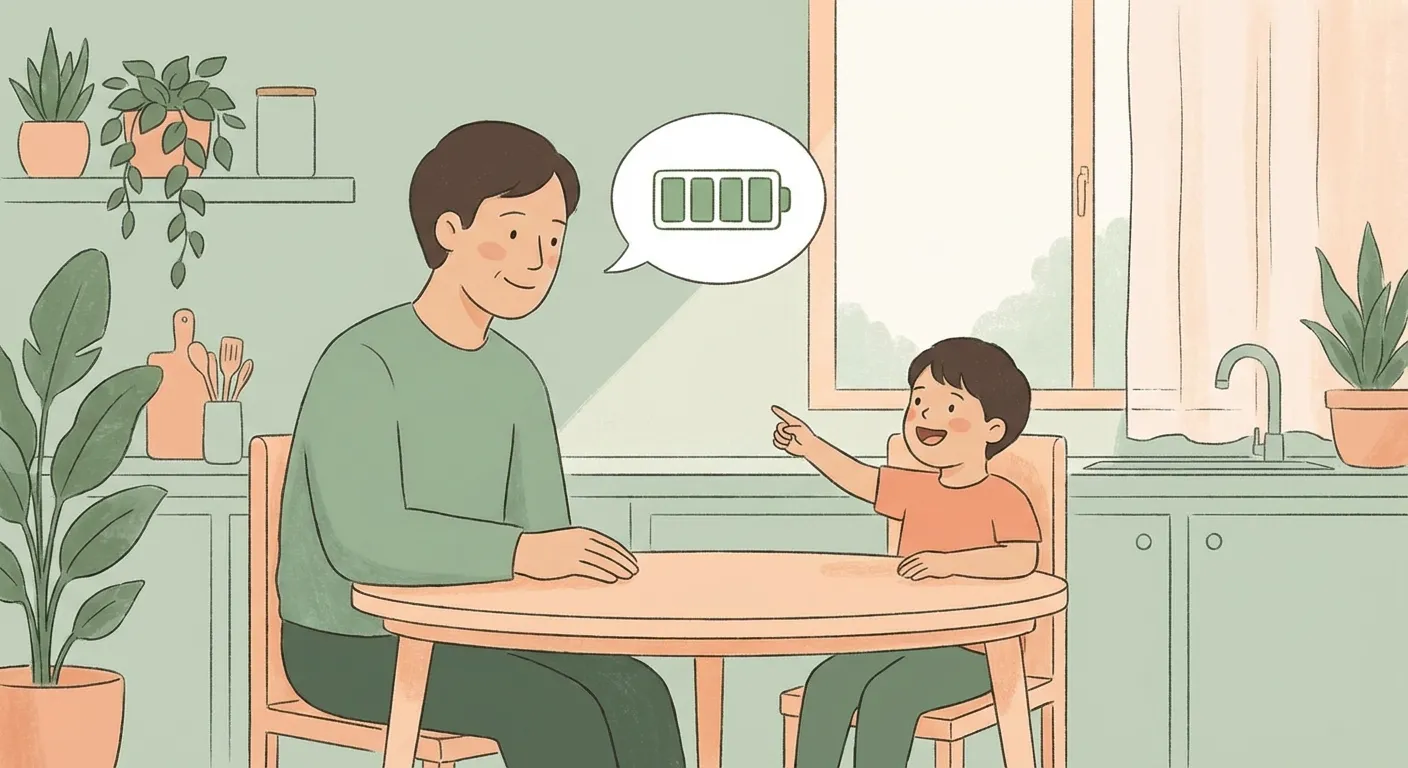
Six Sentences That Shape How Your Kid Feels About Food Forever
Swap these phrases and watch your child build a relationship with food that actually lasts.
Your food vocabulary is shaping how your kid sees their own body.
- Kids who hear 'that gives you steady energy' instead of 'that'll make you gain weight' grow up listening to their body rather than fighting it.
- The move: catch yourself before any appearance comment and pivot to function — what the food does, how the body feels.
There's a sentence rattling around in most parents' heads right now. Something like: "Should you really be eating that?" or "You look great since you started eating better!"
Both sound harmless. Both land like grenades in a kid's brain.
Here's what the research keeps showing: the exact words you use around food predict whether your child grows up trusting their body or fighting it. Not the food itself. Not the nutrition plan. The words.
And the fix is surprisingly simple. Six sentences, swapped out for better ones. That's the whole move.
The Six Swaps
Every swap follows one rule: talk about what food does, not what it changes about how your kid looks.
| Instead of this... | Say this |
|---|---|
| "You look so much thinner!" | "You seem like you've got so much more energy at practice." |
| "That food is going to make you gain weight." | "That one might leave you feeling low on energy later — you'll know when you notice it." |
| "You look great — keep it up!" | "I've noticed you're sleeping better and you're in a great mood — do you feel a difference?" |
| "I'm really disappointed you ate that." | "Some foods leave you feeling wiped out about an hour later — did you notice anything?" |
| "That's not allowed on our plan." | "Your body will tell you how that one sits. Let's pay attention together." |
| "That's bad for you." | "Some foods give you steady energy. Some give a quick burst then a crash. Neither makes you a bad person." |
Print this. Stick it on the fridge. Refer to it mid-sentence if you have to. The left column seeds body image problems. The right column builds something called interoceptive awareness — your kid's ability to read their own body's signals. That's the skill that lasts decades.
Every food conversation should be about function, never appearance.
How does this food make your body work? That's the only question that matters.
Why the Right Column Works
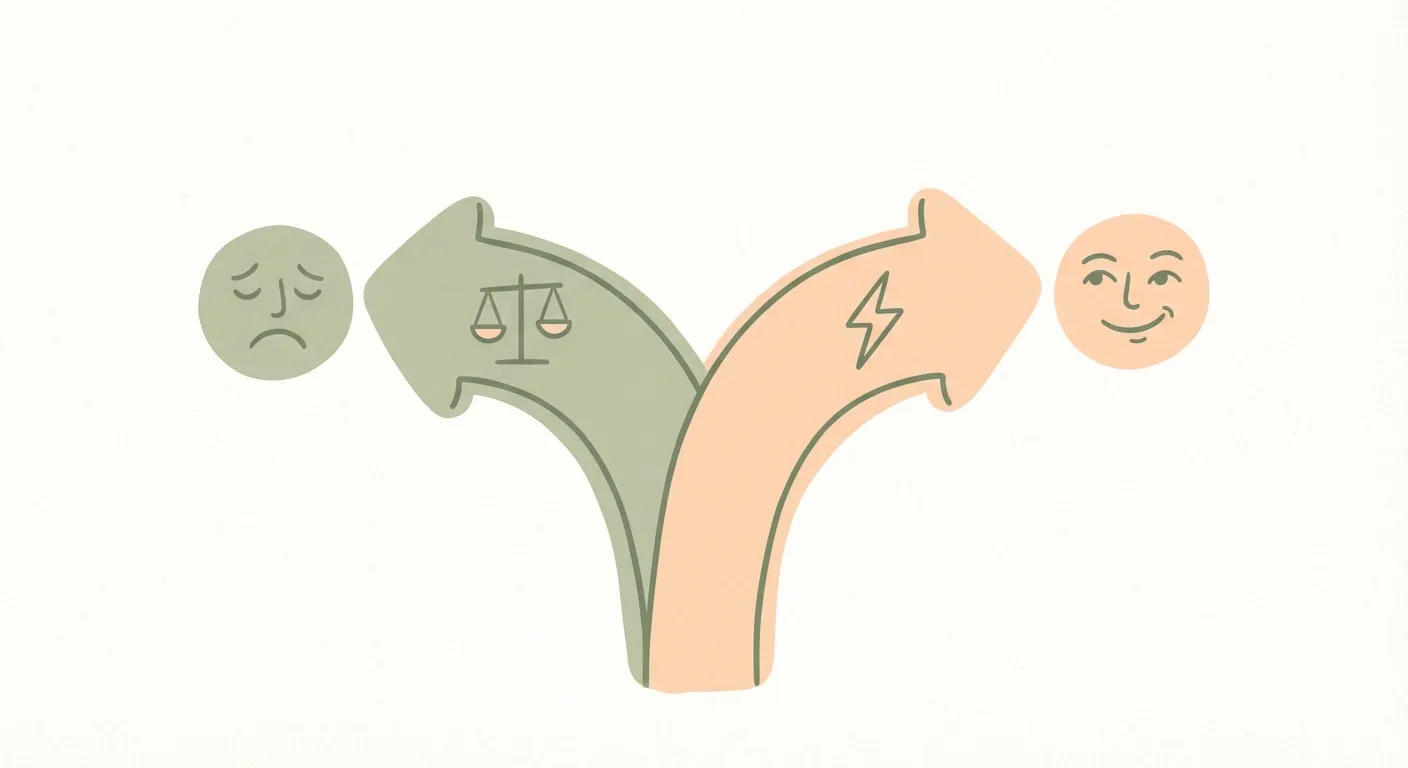
The left column does three things to a kid's brain, all of them bad:
Ties food to looks
Your child learns that eating is about how their body appears to others.
Adds moral weight
"Good" and "bad" food makes them feel good or bad as a person.
Builds secrecy
Judgment about food choices teaches kids to eat in hiding.
The right column flips all of this. When you say "did you notice how that made you feel?", you're handing your child a compass. They stop looking at you for permission and start listening to their own body. That's the difference between a kid who sneaks food and a kid who genuinely prefers the stuff that makes them feel good.
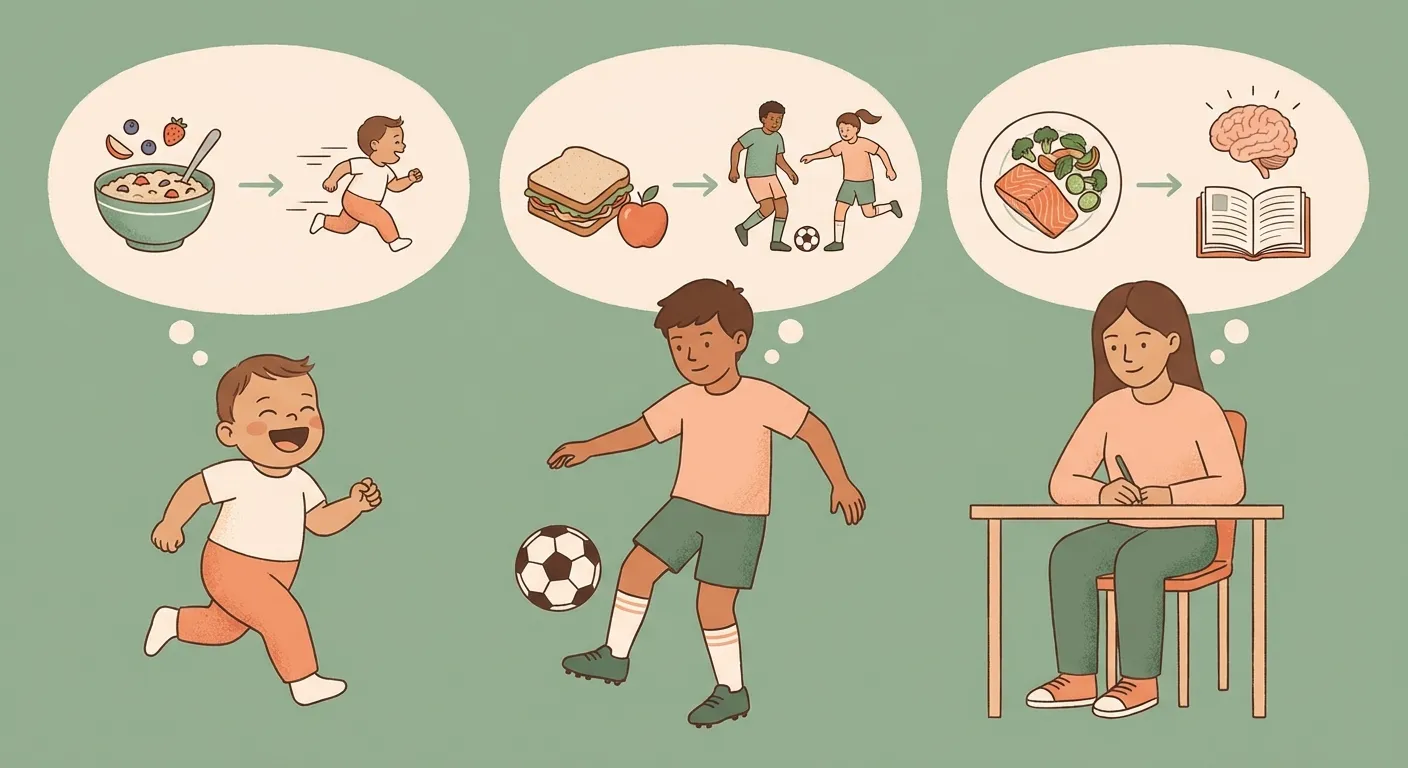
What This Sounds Like at Every Age
The Part Nobody Talks About: You
Here's the uncomfortable truth. If you say all the right things to your kid but then mutter "I look terrible" in the mirror, or announce you need to lose 5 pounds, or visibly panic about what you ate at dinner — none of the scripts above matter. Kids absorb the framework you live in, not the one you preach.
So this works in two directions:
Talk to them in function terms
Energy, mood, sleep, strength — never weight or appearance.
Talk to yourself the same way
Catch "I look..." and pivot to "I feel..."
And while you're at it: brief the grandparents. Extended family delivers some of the most damaging body comments with the best intentions. A quick "we talk about food in terms of energy, not weight" goes a long way.
Watch for red flags. If you notice food anxiety, secretive eating, excessive restriction, or body preoccupation in your child, seek guidance from a professional who specializes in eating disorders. Your pediatrician can provide referrals.
Nobody's body is a problem to be solved.
Food is fuel, not a report card. Teach that, and the rest follows.