
Temperament
Stop Fixing Your Child
The one shift that turns "difficult" into "thriving"
"Difficult" isn't a trait — it's a mismatch between your child and their environment.
- Kids whose parents adjust the setting instead of the child stay confident through school transitions, handle new teachers without falling apart, and build self-knowledge early.
- The move: when your child struggles, diagnose the fit before you diagnose the child.
She was the easiest toddler on the block.
At two, everyone admired how careful she was. She never ran into the street. She never touched the hot stove. She watched other kids from the edge of the playground, taking it all in before she joined. "What a well-behaved child," the other parents said.
Her parents glowed.

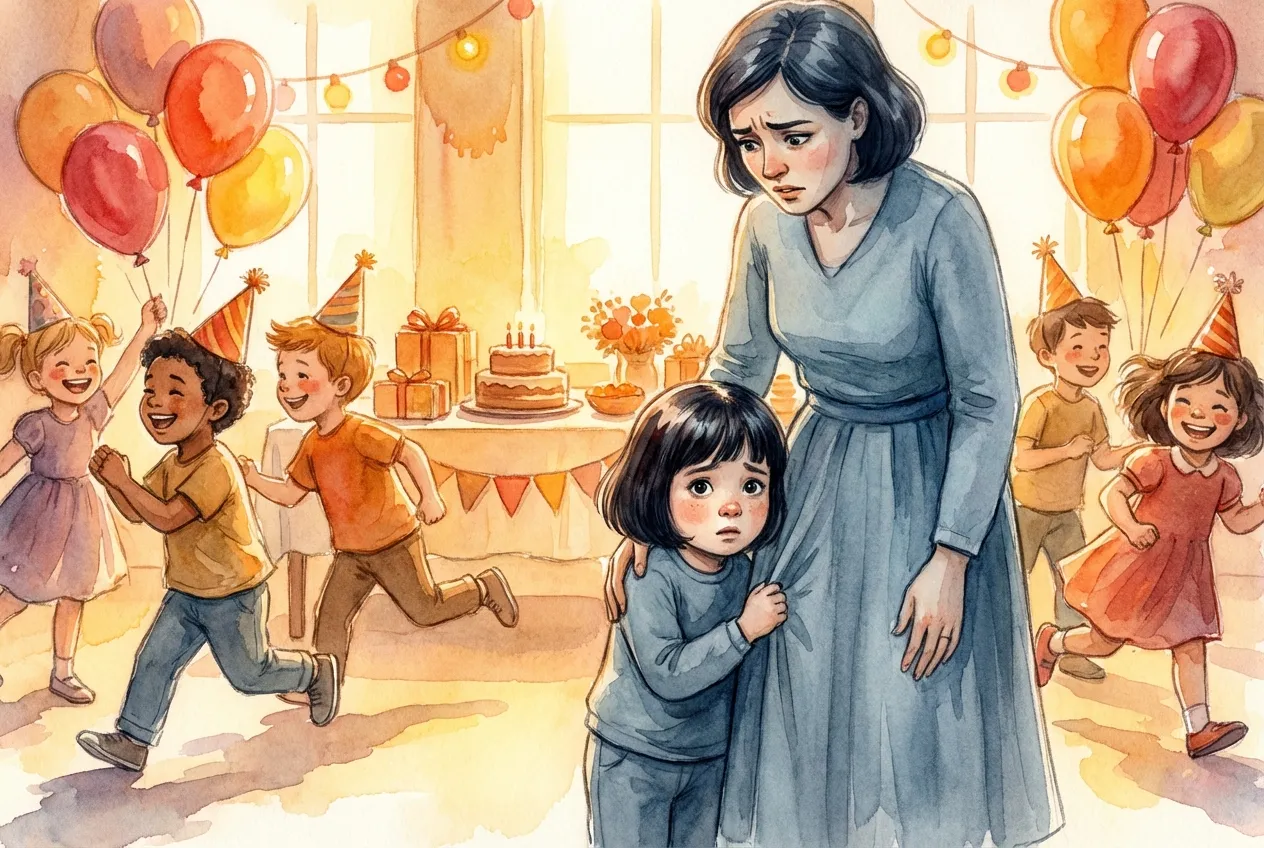
By five, the words changed. She wouldn't go on playdates. She cried at school drop-off. She clung to her mom at birthday parties while the other kids ran off to play. Teachers pulled her parents aside: "She's very shy. Have you considered getting her some help?"
Her parents worried. What went wrong?
What Changed?
Not her. Her caution — the exact same trait — stayed constant. What changed was what the world expected of her.
At two, caution meant "safe and well-behaved." At five, caution meant "too shy, won't participate, something's wrong."
The trait was identical. The label flipped from strength to problem.
What If the Problem Isn't Your Child?
Developmental psychologists have studied child temperament for over sixty years. One of their most consistent findings: there is no such thing as a universally "easy" or "difficult" child.
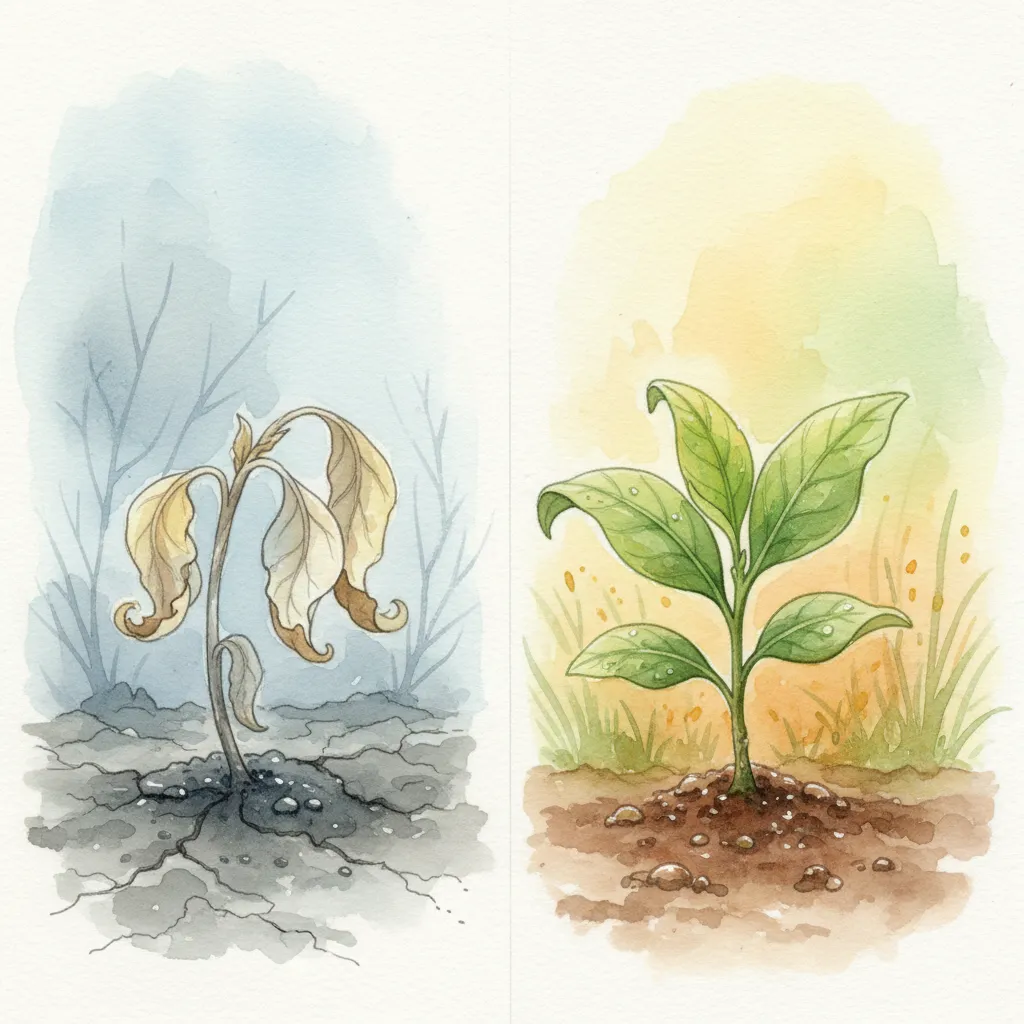
What matters is the match between who your child is and what their environment asks of them. When the match is good, they flourish. When it's not, they struggle. And we call that struggle "difficult."

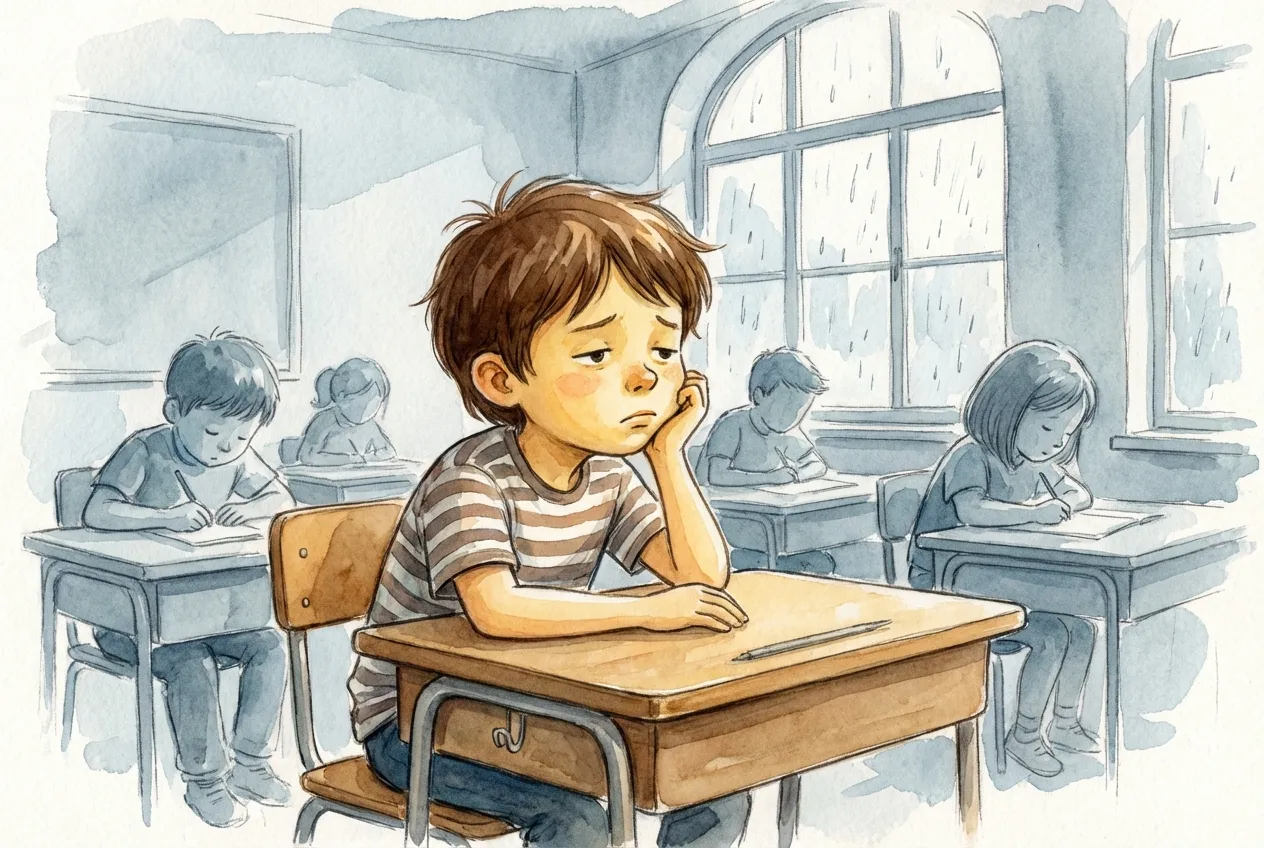
A talkative child in a discussion-based classroom? Leader. That same child in a silent-work classroom? "Problem kid." Same child. Same trait. Different fit.
Why Do We Call Some Children "Difficult"?
"Difficult" is not a temperament trait. It's a value judgment — and it depends entirely on who's judging and in what context:
The Label Depends on Context
A cautious, watchful child may frustrate parents who value boldness — but research suggests that children high in caution often develop strong internal compasses earlier than their peers.
A long attention span is "wonderful" when they read for an hour, "impossible" when they won't stop building Legos to come to dinner.
What counts as "difficult" varies dramatically across families and cultures — some communities value intensity, others prize quiet compliance.
When you call a child "difficult," you're describing the fit, not the child.
How Do You Know If It's a Fit Problem?
When your child is struggling, run through these four questions before reaching for a label:
Four Diagnostic Questions
Ask yourself these when your child is struggling:
1. What Trait?
Which natural tendency is this situation pressing on? Energy level? Caution? Emotional intensity? Attention style?
2. What's the Demand?
What does this environment require that clashes with how my child is wired?
3. Same Trait, Different Time?
Was this trait once seen positively? Has the context shifted, not the child?
4. Where Does It Shine?
In what settings does this trait serve my child well? Where does it become a strength?
How Can the Same Trait Be Both "Good" and "Bad"?
Every trait has a setting where it's an asset and a setting where it's a liability. The difference is the fit, not the trait.
| Trait | The "Difficult" Story | The Fit-Aware Story |
|---|---|---|
| High energy | "Can't sit still, always in trouble" | "Needs movement; this setting asks for too much stillness" |
| Cautious | "Too clingy, won't try anything" | "Warms up gradually; needs time and gentle introductions" |
| Emotionally intense | "So dramatic, overreacts to everything" | "Feels things deeply; needs more support during big transitions" |
| Easily drawn to new stimuli | "Never listens, always distracted" | "Notices everything; needs fewer competing signals and shorter task chunks" |
| Slow to adapt | "Rigid, fights every change" | "Needs predictability; give advance warning before shifts" |
What Can You Do Differently?
Once you see the fit problem, the path forward is clear:
Four Steps to Improve the Fit
Name the trait, not the behavior
Look past the surface. "He won't come to dinner" might be about deep focus, not defiance. "She's clinging to me" might be about caution, not manipulation. Identifying the underlying trait changes how you respond.
Dial down the pressure
Reduce what the environment asks of that specific trait. For a cautious child: gradual exposure, not sink-or-swim. For an easily stimulated child: simplify the space, use short clear instructions.
Find the strength side
Every trait has settings where it shines. High energy: sports, outdoor exploration. Caution: thoughtful decision-making, early awareness of consequences. Intensity: passion, deep engagement. Seek out those settings and create more of them.
Translate for others
Tell teachers and caregivers what works, not what's "wrong." "She does best when she gets a heads-up before transitions" is more useful — and more respectful — than "She can't handle change."
The Bottom Line
A child called "difficult" is almost always a child in the wrong-fit situation.
Your job isn't to fix the child. It's to find the fit.
Want More Strategies Like This?
We extract actionable parenting techniques from research and books — no fluff, just what works.
Browse All Strategies