
The Friendship Radar: Two Tests Every Girl Should Know by Age 8
Your daughter doesn't need you to fix her friendships. She needs you to give her a radar.
Most friendship problems ages 5-10 land in just two areas.
- Kids who practise opening up and giving ground at home arrive at school already comfortable sharing space, taking turns, and recovering from small conflicts.
- The shift: practise the hard parts at home with low stakes -- board games, silly play, negotiating what to watch -- so she's ready when it counts.
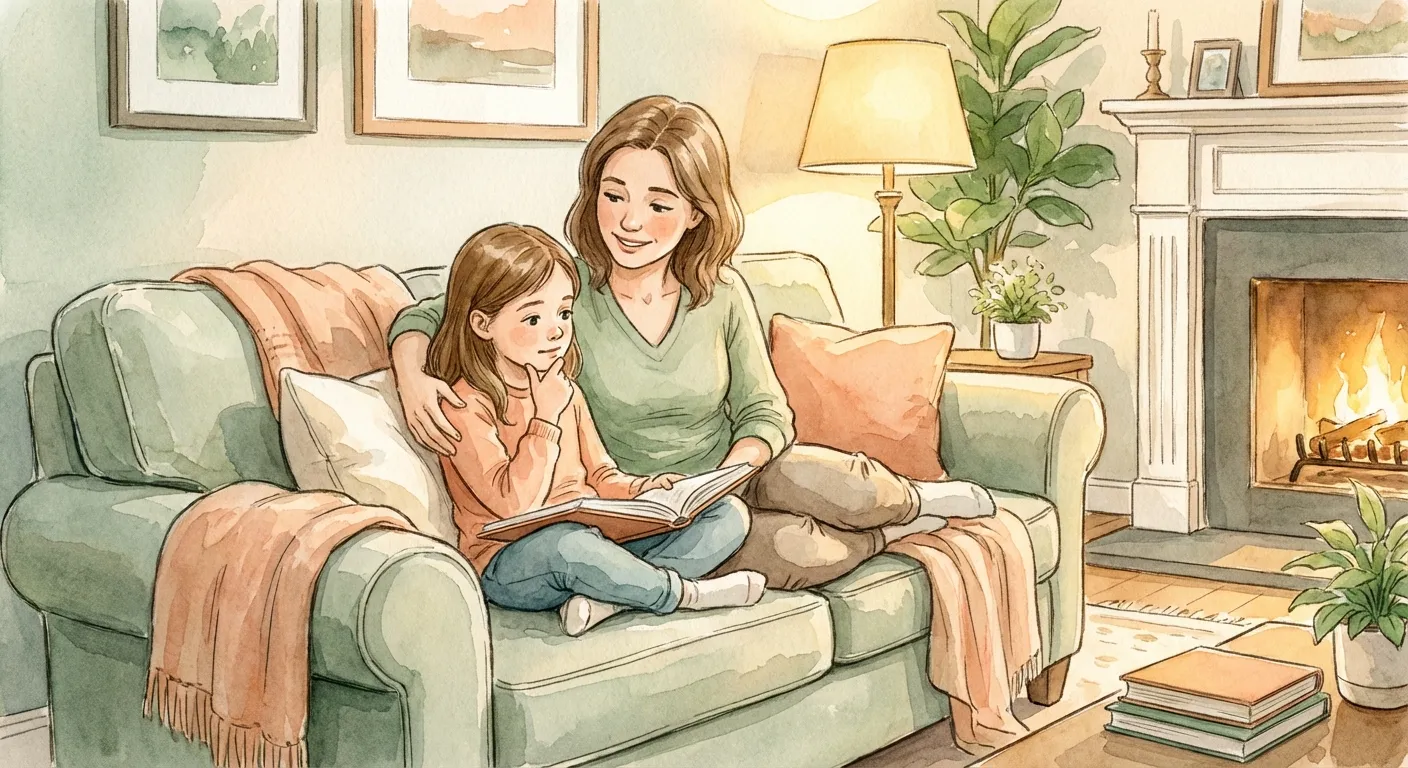
She comes through the door, drops her backpack, and you can see it on her face before she says a word. Something happened with a friend.
Your instinct is to fix it. Call the other parent. Tell her to find nicer friends. Hug it out and hope tomorrow is better.
Here's what actually works: give her the tools to read the situation herself. Not a lecture about kindness. Not "just ignore them." A concrete, two-question radar she can run on any friendship, any time.
The Two Tests
Developmental research has identified patterns in childhood friendships that predict whether a relationship is healthy or draining. These patterns show up as early as age five, and girls who learn to spot them gain a genuine advantage -- not just in elementary school, but in every relationship that follows.
Boil it down, and there are two things worth watching for:
A friend who says "don't play with her if you want to sit with us" or "you're only cool when you do what I say" is asking your daughter to become a different person. A good friend makes you feel more like yourself, not less.
Kids can grasp this fast when you frame it simply: a real friend doesn't need you to pretend.
Some friends have bad days. That's normal. But if your daughter leaves every interaction feeling drained -- because she spent the whole time cheering someone up, walking on eggshells, or absorbing someone else's anger -- that's a pattern. Friendship should feel good more often than it feels like a rescue mission.
That's the whole radar. Two questions. Teach them at dinner, in the car, during a bedtime chat. When she can run these tests on her own, she doesn't need you to tell her which friendships are worth keeping. She already knows.
What It Looks Like in Practice
| She says... | Red flag | Healthy sign |
|---|---|---|
| "She only wants to play if I do what she picks" | Shape-shifter. She has to erase her own wants. | A good friend takes turns choosing. |
| "I spent all recess trying to make her feel better" | Mood-sponge. She's responsible for someone else's feelings. | Friends support each other, but it goes both ways. |
| "She told me I can't be friends with anyone else" | Shape-shifter. She's being asked to shrink. | Real friends don't need to be your only friend. |
| "She was sad so I gave her my snack even though I was hungry" | Mood-sponge. Her needs disappear when someone else is upset. | Kindness is great -- but not when it always costs you. |
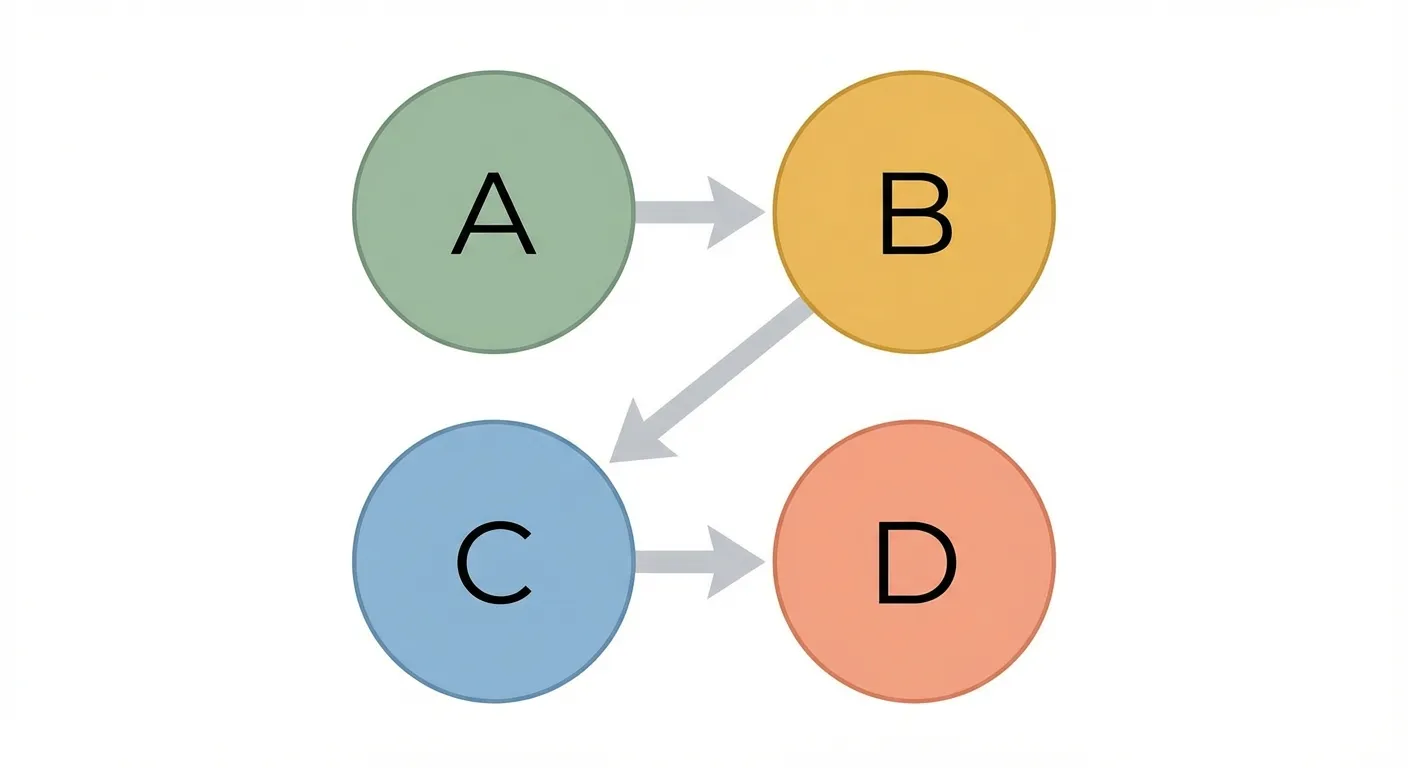
The Four Zones Where Friendship Lives
The two tests are your daughter's radar for trouble. But friendship also has a growth side -- four skills that develop between ages 5 and 10, each one building on the last. When something goes sideways, figuring out which zone is involved tells you exactly how to coach.
Most friendship problems in this age range land in zones A or B. She held back instead of joining in (Opening Up). She refused to share or take turns (Giving Ground). Those are easier to coach because the fix is concrete: practise at home with low stakes.
Zones C and D are deeper. When your daughter comes home stung by betrayal or confused about why a friend suddenly went cold, that's zone D. Comfort first. Then help her name what happened. Then coach one specific move she can try tomorrow.
The Coaching Playbook
When she walks in upset, resist the urge to solve. Instead, run through these steps:
"What was the best part of hanging out with your friends today? Was there a tricky part?"
That question -- casual, low-pressure, asked over dinner -- keeps the channel open. If she knows you'll listen without immediately fixing or lecturing, she'll keep telling you what's going on. That matters more every year as the social world gets more complex.
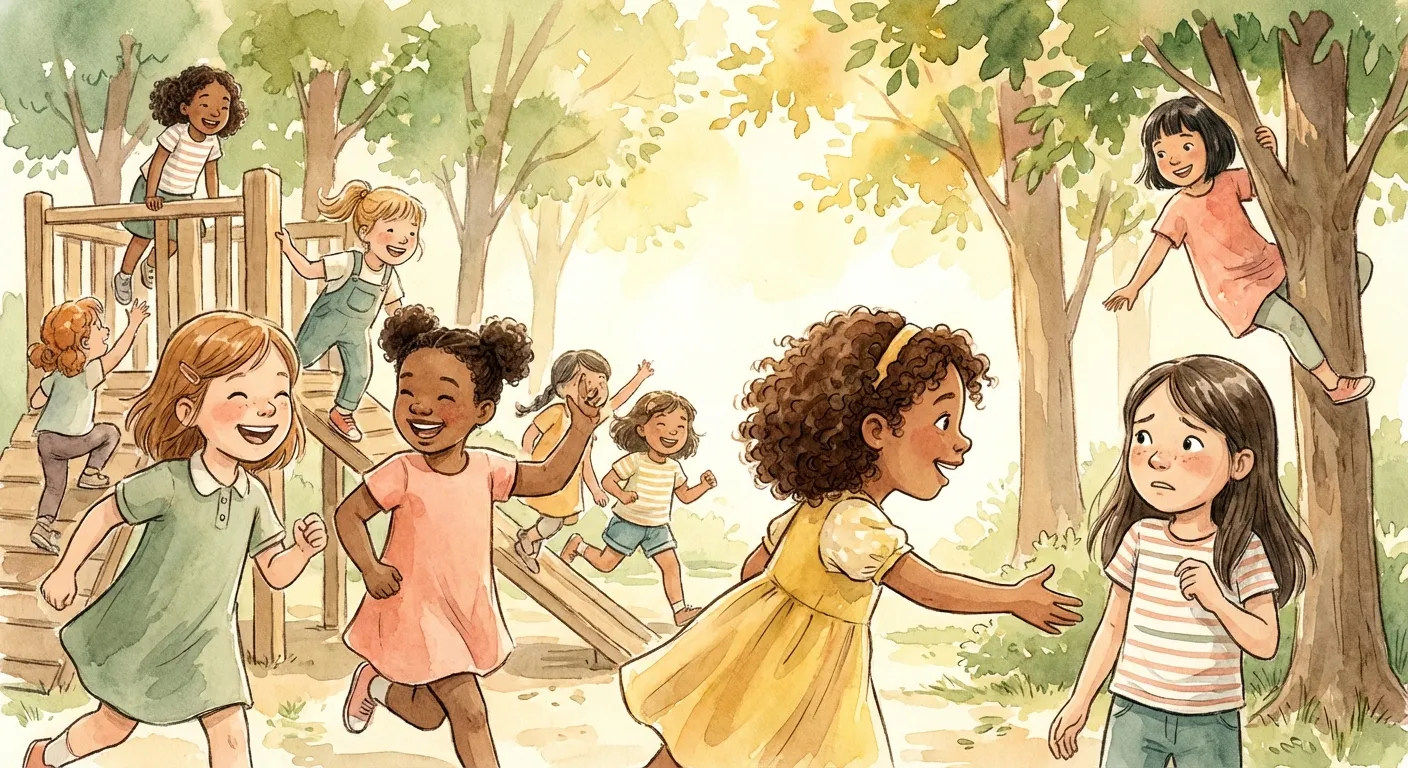
Watch For: The Fixer Pattern
Some girls instinctively move toward every conflict. They become the peacemaker, the soother, the one who absorbs everyone else's bad feelings. It can look like a strength -- and in many ways it is.
But if your daughter is always the one smoothing things over, check that she can also stand up for herself, say no, and ask: "What do I actually want here?"
Why it matters: Without that balance, the fixer pattern can extend into adult relationships -- choosing partners who are volatile or emotionally demanding, and believing it's her job to manage their moods.
The Real Win
This isn't about protecting her from bad friendships. It's about building a kid who walks into any social situation knowing what to look for and what to do. A girl who can spot the shape-shifter. Who won't become someone's mood sponge. Who knows how to open up, compromise, empathise, and repair -- because you practised with her at home, one conversation at a time.
She doesn't need you to fix it. She needs you to teach her to read it.
When she comes to you hurt or confused, figure out which zone is involved. Listen first. Coach one specific move. Follow up in a few days. That's the whole system.