
Your Teen's Weird Hobby Is Their Secret Weapon
Your teen's obsessive hobby is quietly building something no amount of praise can.
- Teens making regular deposits hold their own in friend groups, make values-based decisions, and recover from setbacks without spiraling.
- The shift: stop asking if the hobby is useful — every session where they get better at something they chose is a confidence deposit.
The thing they're obsessed with that nobody else gets? That's building real confidence. Here's why.
Your kid spends three hours tinkering with circuit boards. Or filling sketchbooks with characters nobody asked for. Or teaching themselves to ferment hot sauce in the garage.
And you're wondering: shouldn't they be doing something... useful?
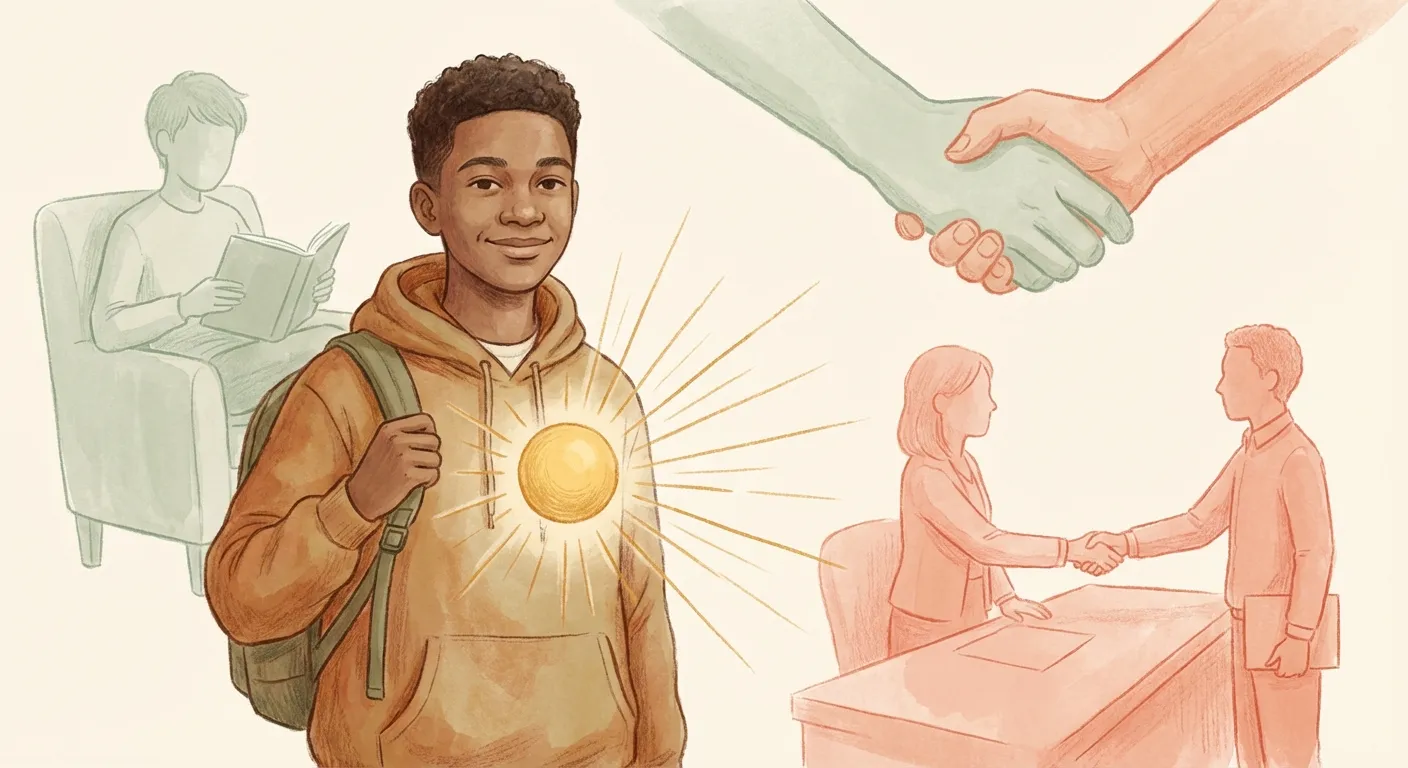
Here's the twist. That obsessive, self-directed, nobody-asked-me-to-do-this energy? It's one of the most powerful confidence-builders that exists. Not because the hobby itself matters, but because of what happens inside a teenager who gets progressively better at something they chose for themselves.
That feeling of growing competence — of noticing you can do something today you couldn't do last month — is rocket fuel for self-worth.
Why Hobbies Hit Different Than Praise
Most parents try to build confidence from the outside in. Compliments. Encouragement. "You're so smart." "You can do anything."
It bounces off. Teens know when they're being managed.
Real confidence is an inside job. Psychologists who study self-efficacy have found that it's built through one mechanism above all others: repeated experiences of following through. Not being told you're great. Proving it to yourself, one small win at a time.
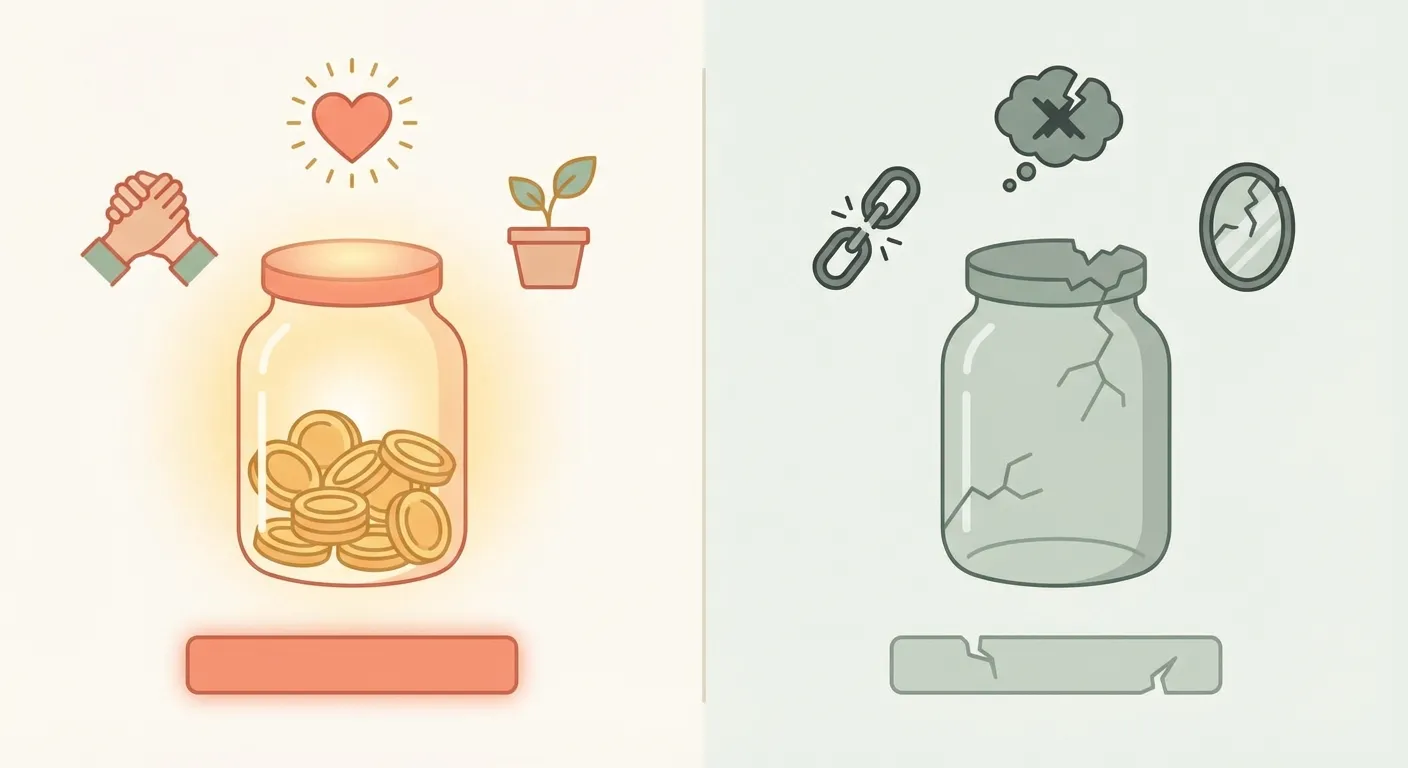
Self-confidence works like a savings account.
Every follow-through is a deposit. Every broken self-promise is a withdrawal.
The balance determines how your teen shows up in the world.
This is the Inner Confidence Account — and your teen's hobby is making deposits every single session.
The 6 Deposits (Your Teen's Hobby Covers More Than You Think)
The confidence account takes six types of deposits. A good hobby quietly hits several of them at once.
Honor Your Own Word
Every time your teen says "I'm going to finish this level / sketch / recipe" and then does it, they're proving to themselves that their word means something. That internal track record compounds.
Withdrawal: Telling yourself you'll practice, then spending the evening scrolling.
Do Something for Someone Else
The fastest escape from a spiral of worry and comparison? Focus outward. Help a friend. Leave a note for a sibling. Tutor a classmate. The mood shift is almost instant.
Withdrawal: Staying isolated and absorbed in your own worries.
Cut Yourself Some Slack
Confident people don't make fewer mistakes. They recover differently. Hobby work teaches this naturally — the failed sketch, the collapsed sourdough, the code that won't compile. You learn to say "what can I try differently?" instead of "what's wrong with me?"
Withdrawal: "I'm terrible at talking to people. Everyone thinks I'm weird."
Be Straight with Yourself
Honesty isn't just about not lying. It's admitting when you're struggling instead of pretending everything's fine. When you're honest, you don't carry the weight of maintaining a false version of yourself.
Withdrawal: Leaving out key details so you look better than the situation was.
Recharge on Purpose
Not as a reward. As a regular practice. Shooting baskets alone, walking the dog, sketching in a notebook. When stress piles up and you never decompress, everything feels harder than it actually is.
Withdrawal: Pushing through exhaustion until you snap or shut down.
Develop What Makes You You
This is the big one. Investing time in something you're genuinely drawn to — not what school values, not what friends are into. The activity matters less than the experience of getting better at something that feels like yours.
Withdrawal: Dropping interests because they don't seem impressive enough to post about.
The Real Diagnostic: Where's Your Teen's Balance?
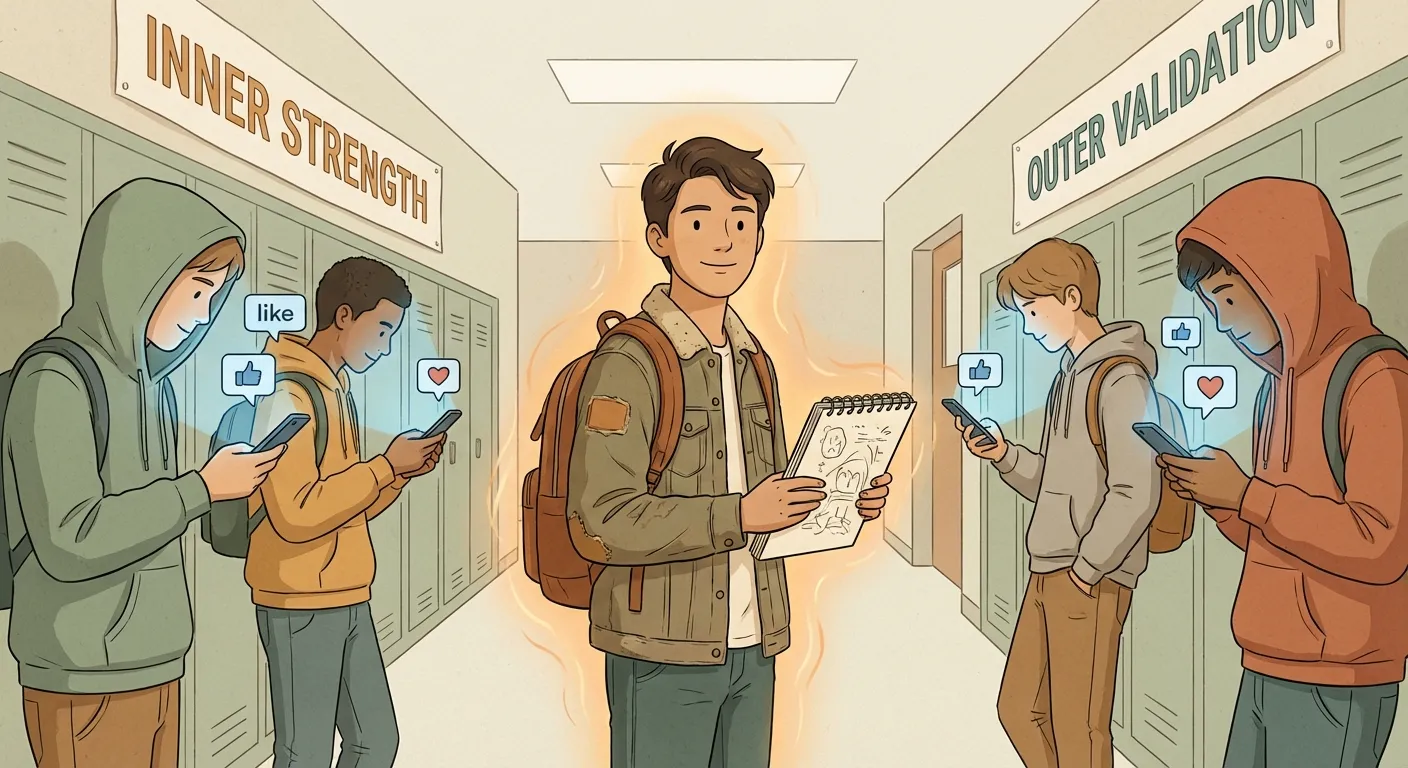
Running on Empty
- Folds under social pressure from friends
- Frequently puts themselves down
- Obsesses over how others perceive them
- Puts on a tough front to mask insecurity
- Avoids challenges out of fear
- Gets resentful when a friend succeeds
Well-Funded Account
- Holds their ground when pushed toward bad choices
- Doesn't need the popular group to feel okay
- Approaches the day with optimism
- Makes decisions based on values, not the crowd
- Sets goals and works toward them unprompted
- Genuinely celebrates when others succeed
Notice something? The "well-funded" column describes a teenager who has a strong internal reference point. They're not checking with the crowd before deciding how to feel. They already know, because they've built evidence — deposit by deposit — that they can trust themselves.
Tonight: One Deposit
Start Absurdly Small
Don't aim for transformation. Aim for one kept promise. "I'll put my phone in another room during homework tonight." That's it. One deposit.
Once small commitments feel natural, stretch a little. Say no to something you usually cave on. Try something slightly intimidating. Each follow-through builds on the last.
A month of small, consistent deposits changes more than one dramatic gesture ever will.
| Deposit Type | Starter Move (Try This Week) |
|---|---|
| Honor Your Word | Pick one tiny self-promise per day and keep it. Just one. |
| Help Someone | Text a friend who's been quiet. Ask how they're doing. |
| Self-Forgiveness | Next mistake, ask "what can I try differently?" and stop there. |
| Honesty | Share one uncomfortable truth instead of the polished version. |
| Recharge | Block 20 minutes after school for something genuinely relaxing. |
| Your Thing | Spend time on the hobby that lights you up. No justification needed. |
The compounding effect is real. Each deposit makes the next one easier. And that weird hobby your teen won't shut up about? Every session is a deposit they're making without even knowing it.
Let them keep going.