
Your Kid Is Acting Out.
Give Them More Comfort, Not Less.
More warmth, not more consequences -- Montessori's approach to disruptive behavior.
- Kids who were the biggest disruptors converted into the most focused, self-directed members of the group. Montessori called the change 'complete and lasting.'
- The move: treat the disruptive child as 'almost ill' -- extra comfort, favorite activities, a front-row seat to watch peers thrive -- and wait for them to want back in.
Montessori's counterintuitive technique that turns classroom disruptors into the most disciplined kids in the room
Published by kungfu.family
Your child keeps pushing, testing, disrupting. Every instinct says: take something away. Remove a privilege. Send them to their room. Make them feel the consequence.
Maria Montessori did the opposite. And it worked so well she called the conversions "complete and lasting."
Her move: treat the disruptive child not as a troublemaker, but as someone who is almost ill. Give them the best seat. The favorite toys. Extra affection. Let them watch other kids thrive. Then wait.
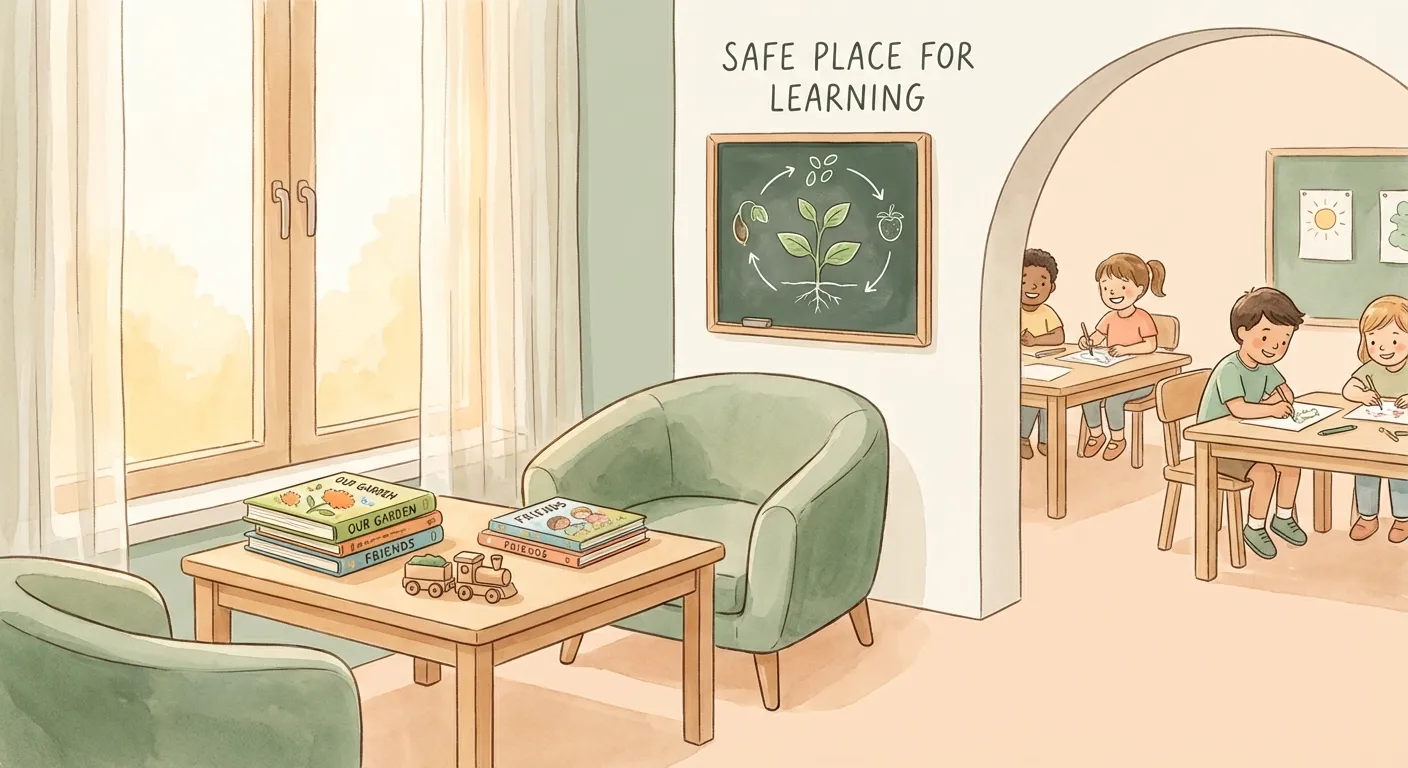
The Setup Takes Five Minutes
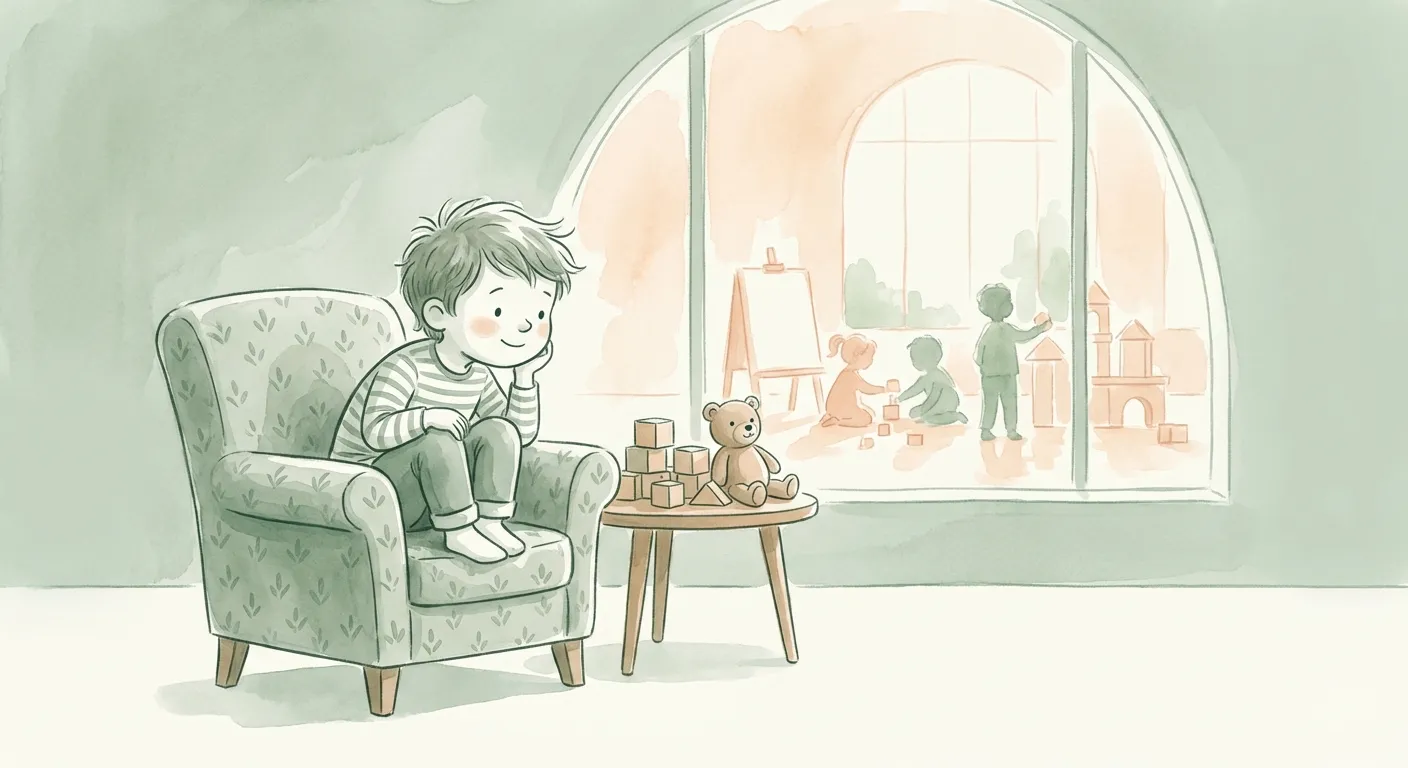
Small table, comfortable armchair, near a window. This is a retreat, not a penalty box.
The child must be able to see other kids working. Watching others engaged becomes the quiet lesson.
Their most-loved toys, games, books. This is not deprivation. They have good things to do.
When you enter the room, visit this child before anyone else. Warmth. A touch on the shoulder. Eye contact.
They watch others collaborate, build, learn. The desire to rejoin comes from inside. You never have to force it.
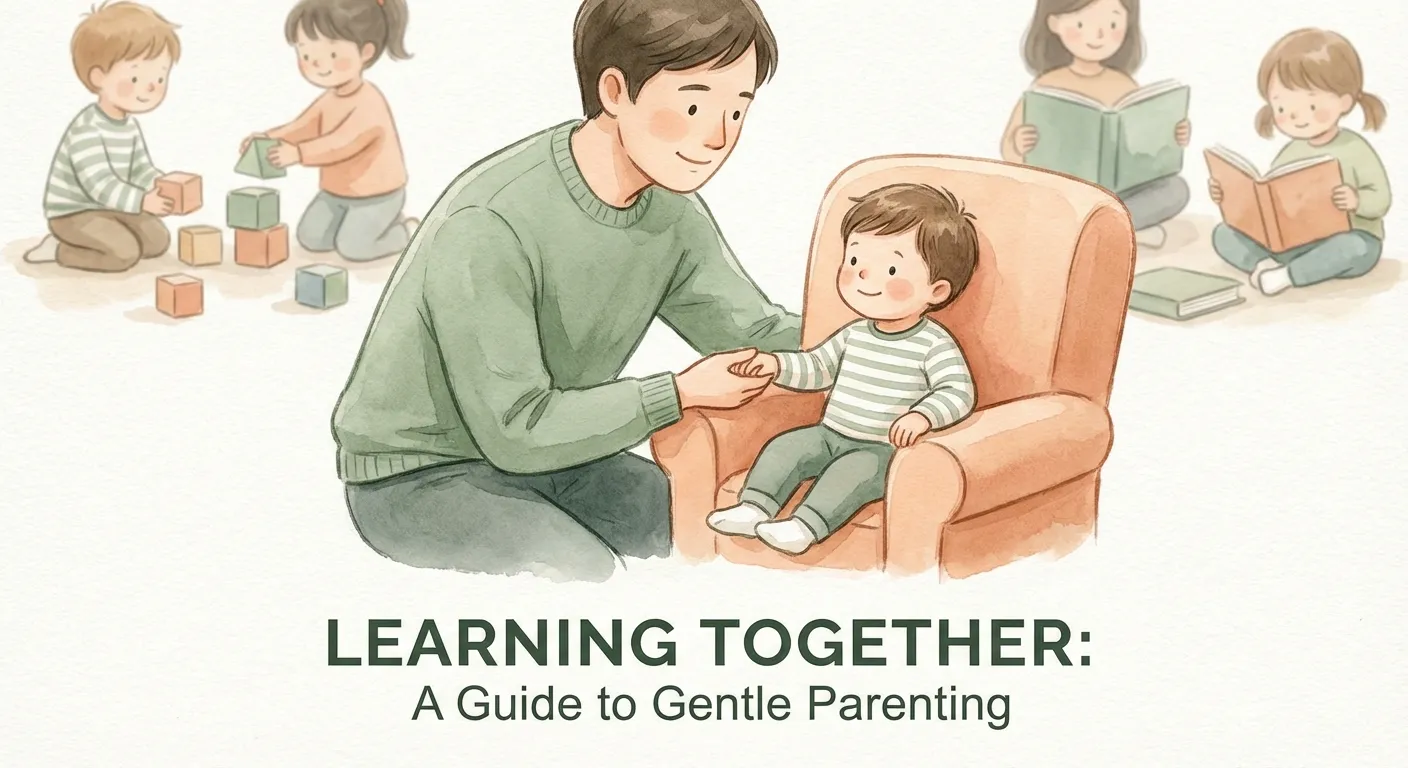
Why This Is the Opposite of Time-Out
Looks similar on the surface. The child is separated. But the mechanics underneath are completely different.
Traditional Time-Out
- Isolation as punishment
- Child feels rejected
- Adult ignores or scolds
- Nothing interesting to do
- Compliance through shame
- Behavior managed externally
Montessori Isolation
- Isolation as healing
- Child feels specially cared for
- Adult gives extra affection
- Favorite activities provided
- Motivation through observation
- Change comes from within
The Psychology of Why It Works
| Mechanism | What Happens |
|---|---|
| No shame trigger | The child is treated as "almost ill," not "bad." Their identity stays intact. |
| Observation effect | Watching peers work with purpose creates genuine desire to participate. |
| Extra affection | Getting more attention, not less, removes the incentive to act out for attention. |
| Internal motivation | Rejoining is the child's choice. No one forces it. That makes it stick. |
Montessori's Silver Cross Story
She once gave a silver cross as a prize to the best-behaved child. A busy, engaged child could not have cared less. Handed it right off. Meanwhile, a child who had been in the isolation corner wore it happily around his neck.
The child who was truly thriving did not need an external reward. The one who felt behind clung to it.
That little story is the whole philosophy in miniature. The goal is not to produce kids who chase prizes and avoid punishments. The goal is kids so absorbed in what they are doing that prizes are irrelevant.
Next time your child is in that spiral -- pushing limits, testing you, disrupting everything -- try the counterintuitive move. More comfort. More warmth. A front-row seat to watch what focused work looks like. Then give them the space to want it for themselves.