
Five Questions That Turn Breakfast Into a Superpower
A five-minute breakfast ritual that trains language, manners, and self-awareness.
- Kids who teach their family what they learned at school, notice when they've been unkind, and carry safety awareness without being nagged.
- The shift: stop asking 'How'd you sleep?' and start asking questions that build specific skills — same five, every day.
Maria Montessori's morning conversation protocol builds language, kindness, and self-awareness in under five minutes.
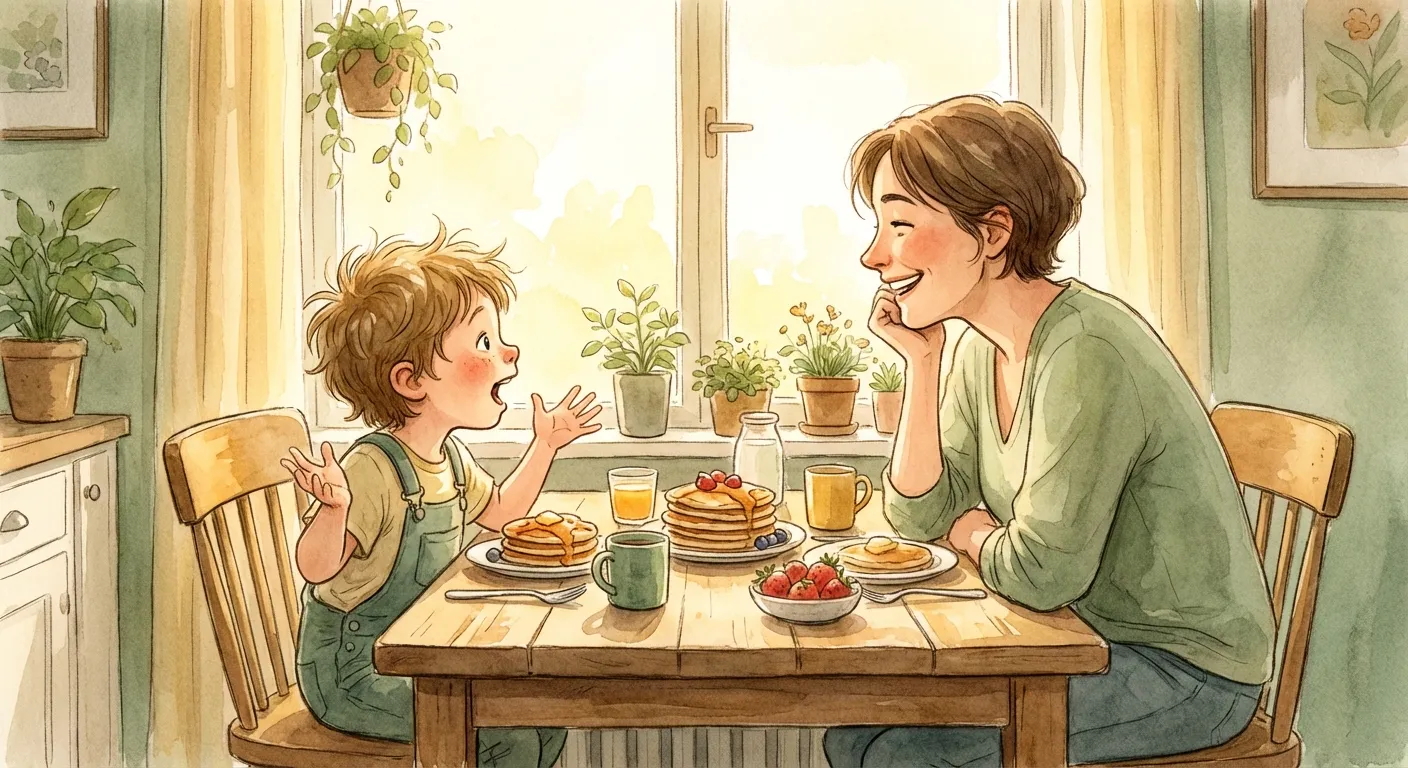
Here's a Montessori technique that costs nothing, takes five minutes, and works every single morning: ask your kid five specific questions at breakfast.
Not "How'd you sleep?" Not "What do you want for lunch?" Five targeted questions, each one quietly training a different skill -- spoken language, social awareness, responsibility, learning transfer, and personal safety. Montessori designed this as a daily ritual for her schools in 1912. Over a hundred years later, the protocol still works because it targets the exact skills that compound over time.
The Five Morning Questions
Each question has a hidden job. Your kid thinks they're just chatting. You know better.
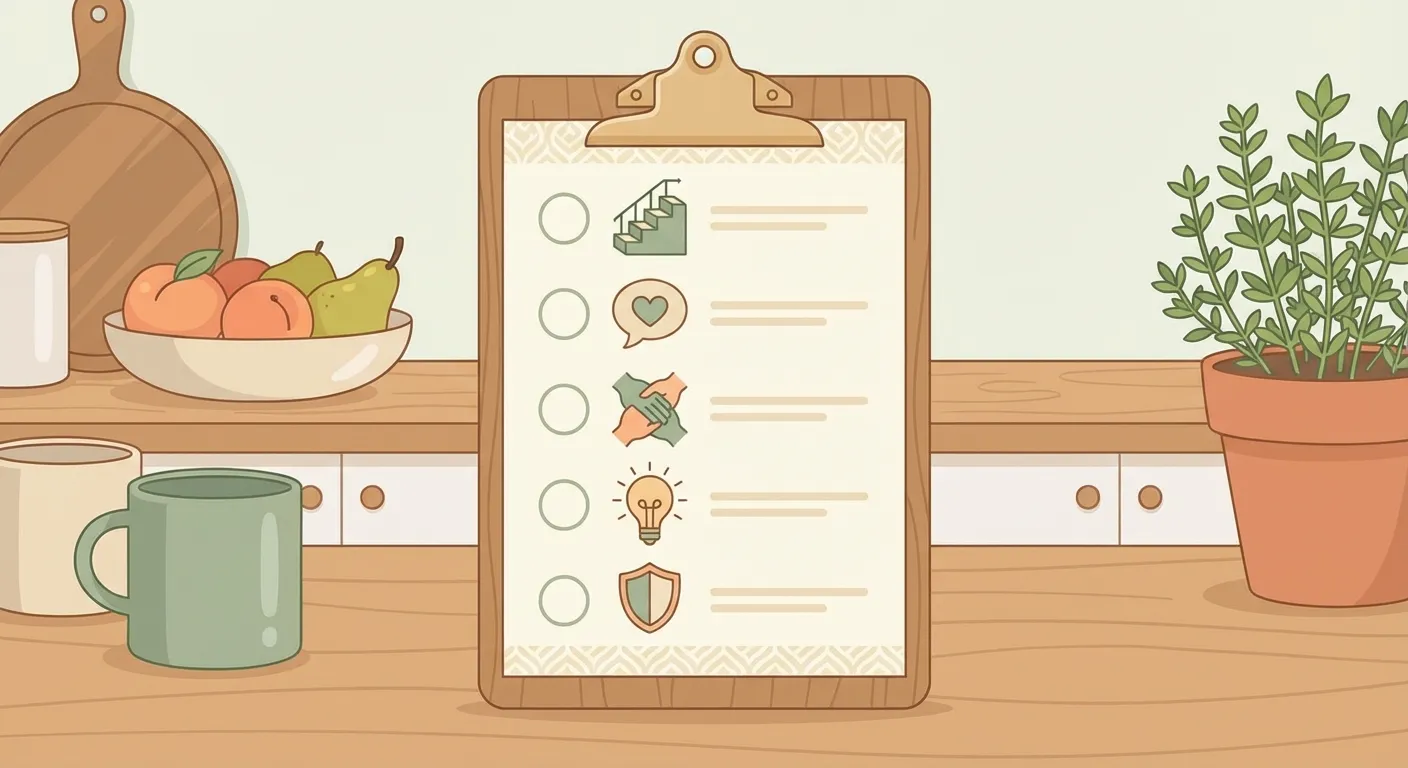
Notice what these questions have in common: they're all yes-or-no on the surface, but they open doors. "Did you help anyone at home?" almost always turns into a story. "Did you speak kindly?" makes a kid replay social interactions in their head. The questions are designed to prompt reflection, not just answers.
How to Run It (Without It Feeling Like an Interrogation)
The protocol only works if it feels like conversation, not a quiz. Montessori was explicit about this -- the tone matters as much as the questions.
| Technique | What It Looks Like |
|---|---|
| Listen more than you speak | They talk 80% of the time. You react, you nod, you follow up. You don't lecture. |
| Celebrate with small exclamations | "Oh, you helped set the table? That's wonderful." Gentle, specific, warm. |
| Same time every day | After morning routines are done. The predictability is the point -- it becomes automatic. |
| Keep it light | Smile. Lean in. This is the fun part of the morning, not a performance review. |
-- Maria Montessori
What to Avoid
Montessori was equally clear about what NOT to bring into morning conversation. The boundaries keep this ritual safe and productive.
Keep It Here
- Pleasant topics that build pride
- Questions about their actions and choices
- Follow-ups that let them tell stories
- Gentle acknowledgment of good behavior
Leave This Out
- Family finances or adult conflicts
- Anything that could embarrass them
- Questions that invite gossip or criticism
- Topics that put them in an awkward position about parents
The goal is a ritual your child looks forward to. The moment it feels like surveillance, the magic dies.
The Monday Bonus Round
Mondays Get Extra Time
After a weekend, there's more to talk about. Montessori extended Monday conversations with open-ended prompts that build narrative skills:
If they mention something unhealthy, treat it as a teaching moment -- explain why gently, without shaming. Curiosity, not judgment.
The Dinner Table Version
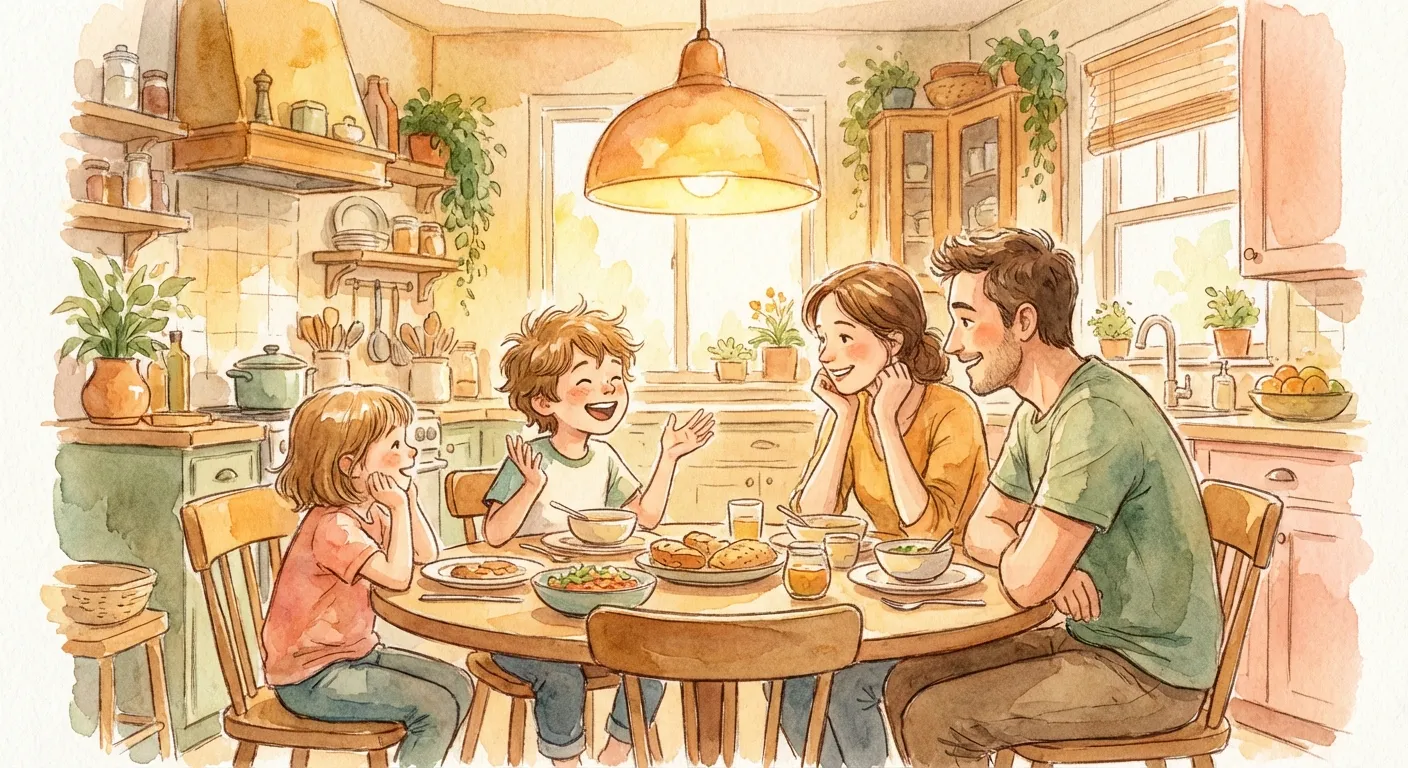
Mornings too hectic? Montessori's protocol adapts perfectly to dinner. Same principle -- targeted questions, warm tone, let them do the talking.
Start Tomorrow Morning
This isn't a program to enroll in. It's five questions and a warm tone. Here's your launch sequence:
Pick your time
Breakfast or dinner -- whichever you can protect for five uninterrupted minutes.
Memorize (or post) the five questions
Stick them on the fridge until they're automatic. Swap in your own versions once the habit is locked.
Listen more than you talk
Your job is to react, not direct. Let their answers lead the conversation.
Celebrate the small stuff
A small exclamation -- "Oh, you held the door? That's so kind!" -- goes further than a lecture.
Five minutes. Five questions. Every morning. The compounding effect on language, self-awareness, and social skills is the kind of thing you notice three months in and wonder how you ever skipped it.