
The Door Nobody Else Saw
How to teach your teen the negotiation move that changes everything
The strongest negotiators don't fight harder — they invent better options.
- Kids raised this way resolve conflict without caving or dominating, keep friendships through real disagreements, and develop the emotional confidence to walk away from bad deals.
- The move: replace 'how do we split this fairly' with 'what if we could both get what we actually want?'
The Problem With "Just Compromise"
Compromise gets a lot of credit it doesn't deserve. In a compromise, everyone gives something up. Both sides walk away with less than they wanted. It's better than a fight, sure, but it's still a loss cut in half.
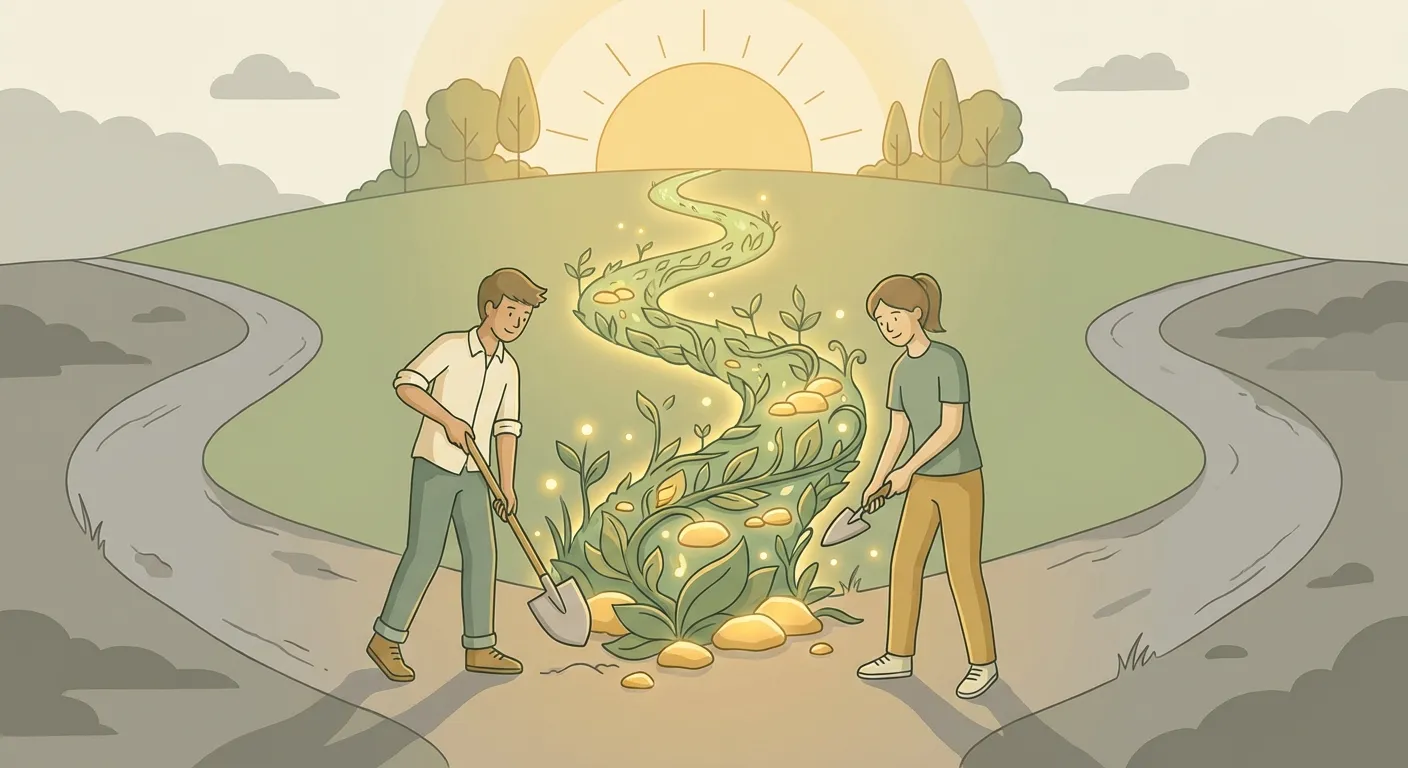
The mutual gains mindset flips the script entirely. Instead of splitting the pie, your teen learns to bake a bigger one. They stop asking "how do we divide this fairly?" and start asking "what if we could both get what we actually want?"
Negotiation researchers have found something consistent over decades: people who look for mutual benefit don't just have better relationships. They get better outcomes, period. They outperform the bulldozers and the people-pleasers alike.
Four Ways Your Teen Walks Into Every Room
Every interaction your teen has falls into one of these patterns. Most people default to one without thinking about it. The trick is noticing which one is running.
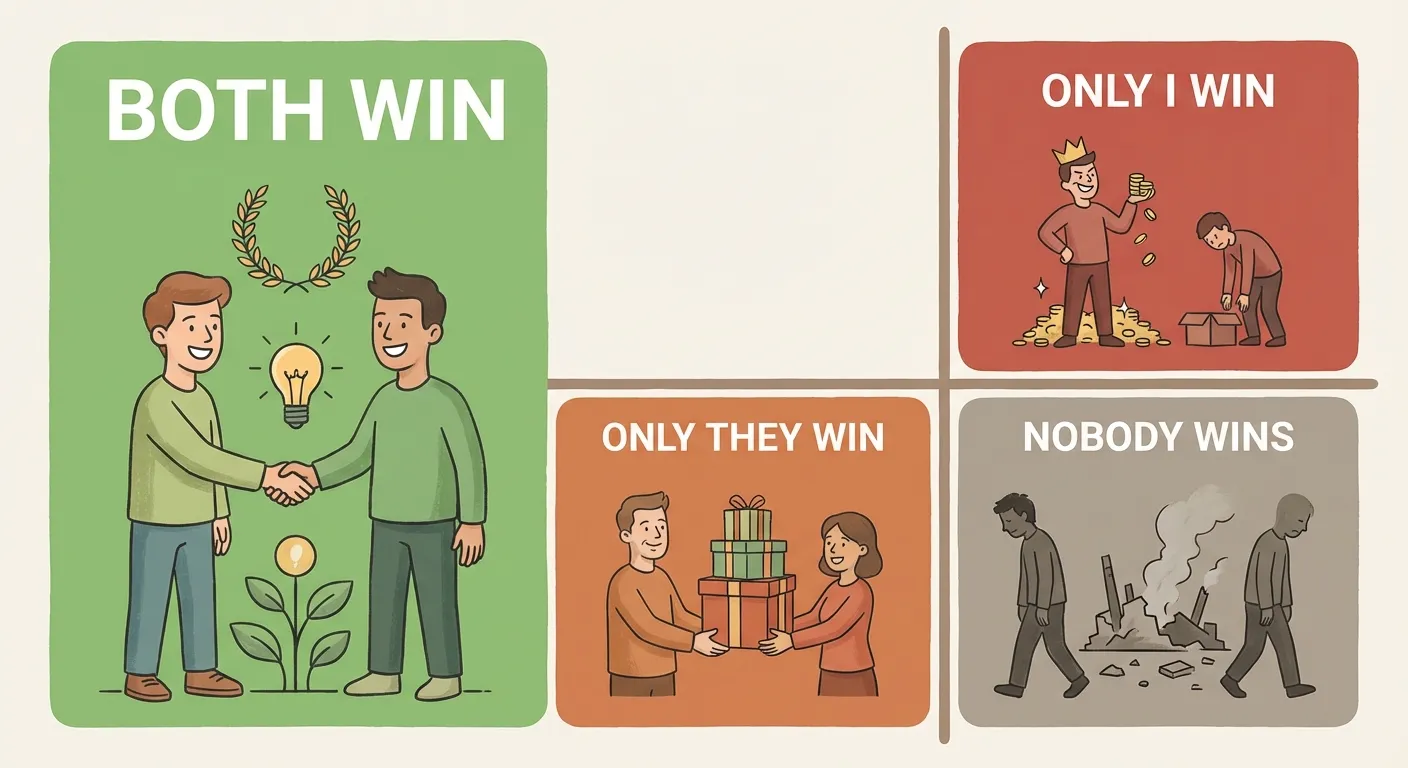
Both Gain
They care about their needs AND the other person's. Takes real confidence and genuine empathy.
Only I Gain
Every conversation is a contest. Talks over friends, keeps score, needs the last word.
Only They Gain
Gives in before the conversation starts. Lets everyone else decide. Looks easygoing on the surface.
Nobody Gains
"If I can't win, neither can you." Two stubborn forces would rather burn it down than bend.
Life has enough for everyone. Your teen doesn't need to push others down to rise up.
The strongest people lift while they climb.
Two Habits That Kill It Before It Starts
Before we get to the method, two sneaky saboteurs need to go. Our culture often rewards these patterns, which makes them harder to spot.
The Scoreboard
Tracking who got the better grade, who has more followers, who got invited. Every interaction gets scored. Needing to rank above everyone just to feel okay.
The Mirror
Constantly measuring against whoever's nearby. A friend gets a lead in the play and your teen feels worthless, even though they didn't want the part. People develop on wildly different timelines.
The GAIN Method
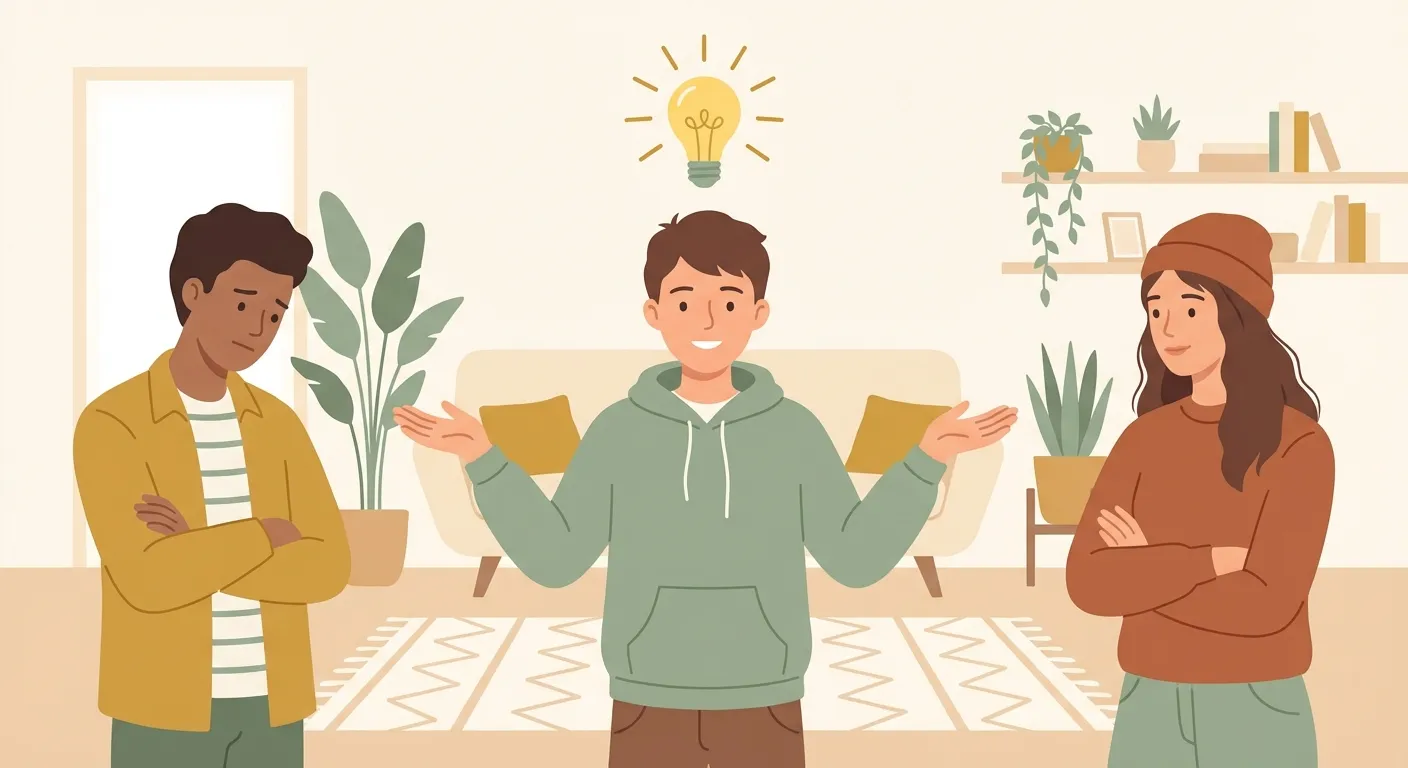
Four steps. Usable tonight. Each one builds on the last.
Ground Yourself First
You can't be generous when you feel empty. Help your teen build a sense of self-worth that doesn't depend on beating anyone. When they feel solid on their own, someone else's success stops feeling like a threat.
Ask What They Need
Before your teen pushes for what they want, have them genuinely ask the other person what matters to them. Not as a strategy. As actual curiosity. Most conflicts aren't about the thing you're fighting over. They're about feeling ignored.
Invent a Third Option
The biggest trap in conflict: thinking there are only two choices, yours and theirs. Push your teen to find the option that didn't exist before the conversation started. The best solutions are usually the ones nobody walked in with.
Name It or Walk Away
Sometimes the other person isn't interested in both people gaining. They want to dominate. In those moments, your teen has a powerful option: walk away. Walking away from a bad deal isn't losing. It's protecting yourself from a worse one.
See It In Action: The Group Project
Your teen is paired with someone who wants to run the whole thing. Your teen also has strong ideas.
Your teen: "No way. I'm doing the presentation. You do the research."
Power struggle. Nobody starts. They split the work angrily. The project is disjointed. They avoid each other after.
Your teen (G): Notices the urge to fire back. Pauses. This isn't about winning.
Your teen (A): "Sounds like you've got a vision for the slides. What matters most to you about this project?"
Partner: "I want it to look good. Last time my partner made ugly slides and I was embarrassed."
Your teen (I): "What if you handle the design and visuals, and I build the content and present? Your slides look great, I get to talk, and the project's actually good."
Both play to their strengths. Project scores well. They'd actually work together again.
Building This Over Time
- Catch the scoreboard early. When your teen says "She only got that because..." or "That's not fair, I'm better than him" -- gently ask: "Did her getting that actually take something away from you?" Usually, the answer is no.
- Practice with siblings. Sibling conflicts are the ultimate training ground. Instead of playing judge, ask both kids: "What would a solution look like where you're both okay with it?" Then step back.
- Model it yourself. Your teen watches how you handle disagreements with your partner, with customer service, with other parents. When you visibly look for mutual benefit and narrate it, they absorb the pattern.
- Celebrate when they're genuinely happy for someone else. Not performing excitement -- actually feeling it. When you see that, name it: "I noticed you were really happy for Mia. That says something about you."