
Your Silence Is the Most Powerful Teaching Tool You Own
The instinct to correct your child feels like love. It's actually interference.
- Kids whose parents master this keep their confidence intact through mistakes, stay in learning mode longer, and absorb lessons on their own timeline.
- The move: when they get it wrong, go quiet, smile warmly, and end the session — no commentary, no do-overs.
Montessori figured out something counterintuitive: when a child gets it wrong, the best response is... nothing at all.
Your kid points to the blue block and calls it red. Every fiber in you wants to say, "No sweetie, that's blue." You've been doing it for years. It feels helpful. It feels like teaching.
It's not.
Maria Montessori discovered something that still trips up parents over a century later: correcting a child's mistake in the moment doesn't help them learn faster. It actually slows them down. The correction itself -- "No, you made a mistake" -- lands harder than the lesson. The child doesn't absorb the right answer. They absorb the sting of being wrong.
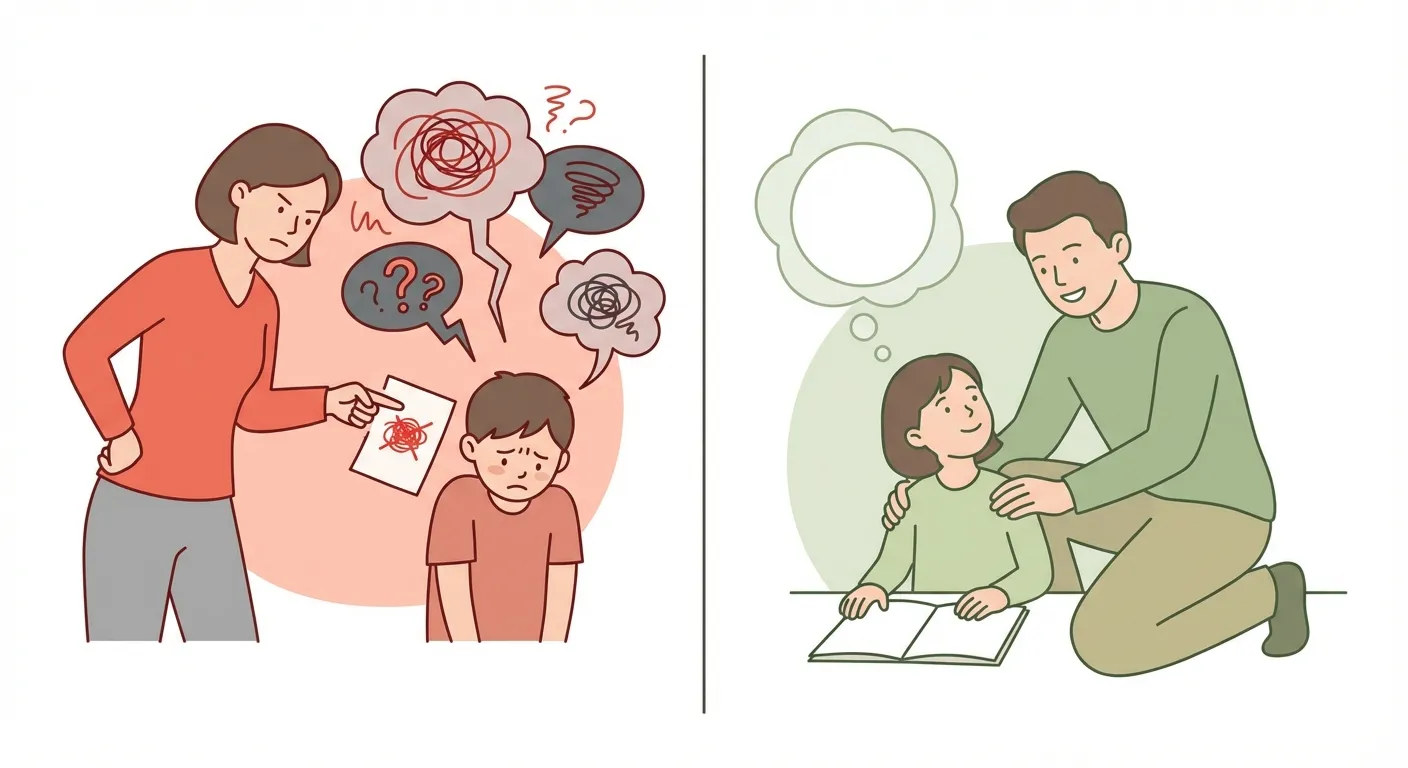
What Happens in Their Head When You Correct
Picture this: a child is concentrating hard, trying to match names to colors. They get one wrong. If you jump in with a correction, here's what fires in sequence:
Montessori called it keeping the "field of consciousness clear." In plain terms: silence after an error means the next attempt has a clean runway. Correction clutters that runway with emotional debris.
The 5-Step Non-Correction Protocol
This isn't about ignoring errors or pretending everything is fine. It's a deliberate sequence -- five moves that protect the child's learning state while communicating total safety.
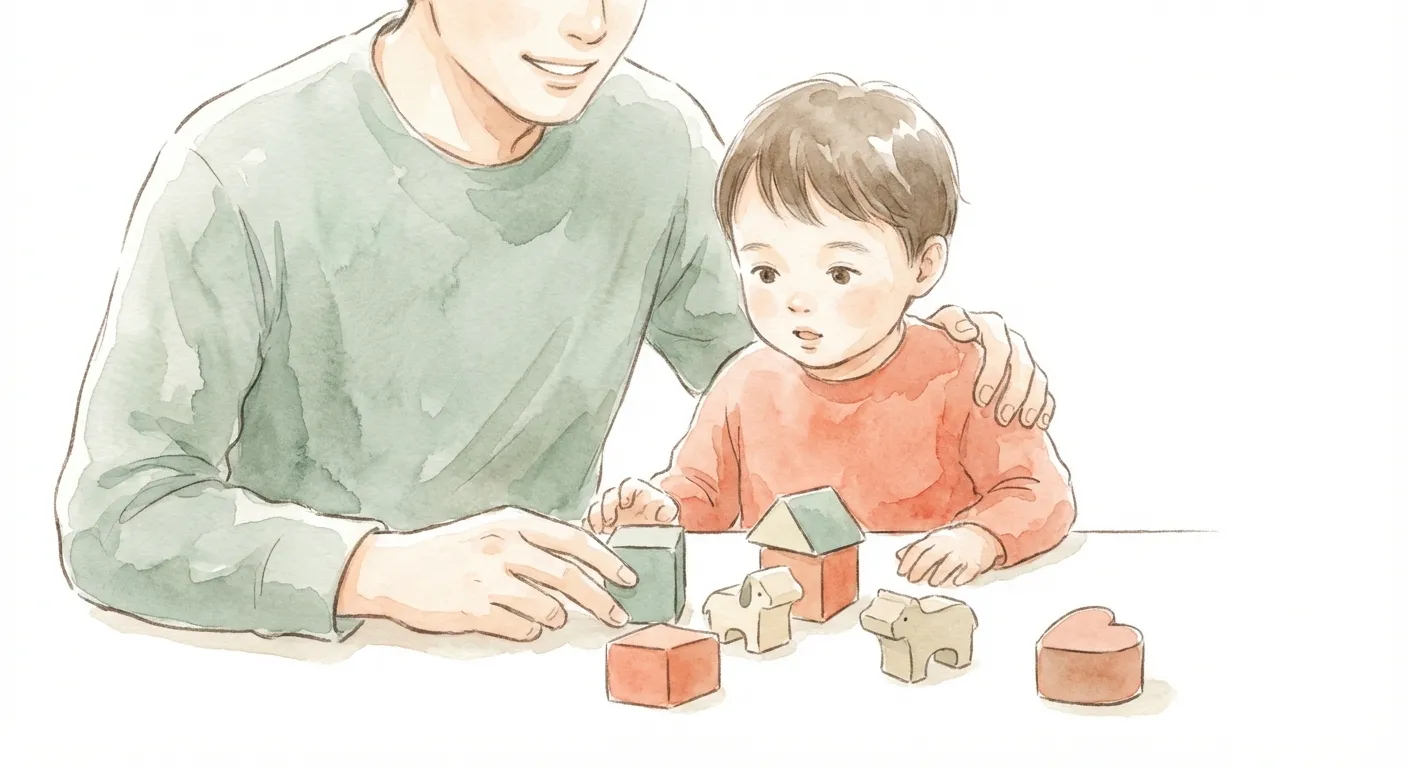
Where This Changes Everything
This protocol isn't just for Montessori classrooms with wooden blocks. Once you see the pattern, you'll spot correction moments everywhere -- and start choosing silence instead.
| Situation | Old Reflex | Non-Correction Move |
|---|---|---|
| Child calls a horse a "doggy" | "No, that's a horse!" | Smile. Next week, point out a horse: "Look, a horse!" |
| Wrong answer on homework | "Read the question again" | Move on. Revisit that concept another day. |
| Mispronounces a word | "It's pronounced..." | Use the word correctly yourself later. They'll catch it. |
| Counts wrong during a game | "No, count again: 1, 2, 3..." | Let the round end. Play again tomorrow. |
| Ties shoes wrong | "Not like that -- watch me" | Smile, help them finish, try again next time. |
Why This Works
The protocol works because it separates two things parents constantly fuse together: the relationship and the lesson.
When you correct, you accidentally merge them. The child stops thinking about colors or numbers or words and starts thinking about you -- your approval, your disappointment, their standing with you. The lesson evaporates.
When you stay silent and smile, the relationship is untouched. The child's brain never leaves learning mode. And when they encounter the same concept again -- with fresh eyes, a few days more development under their belt -- they pick it up as if it were obvious. Because now it is.
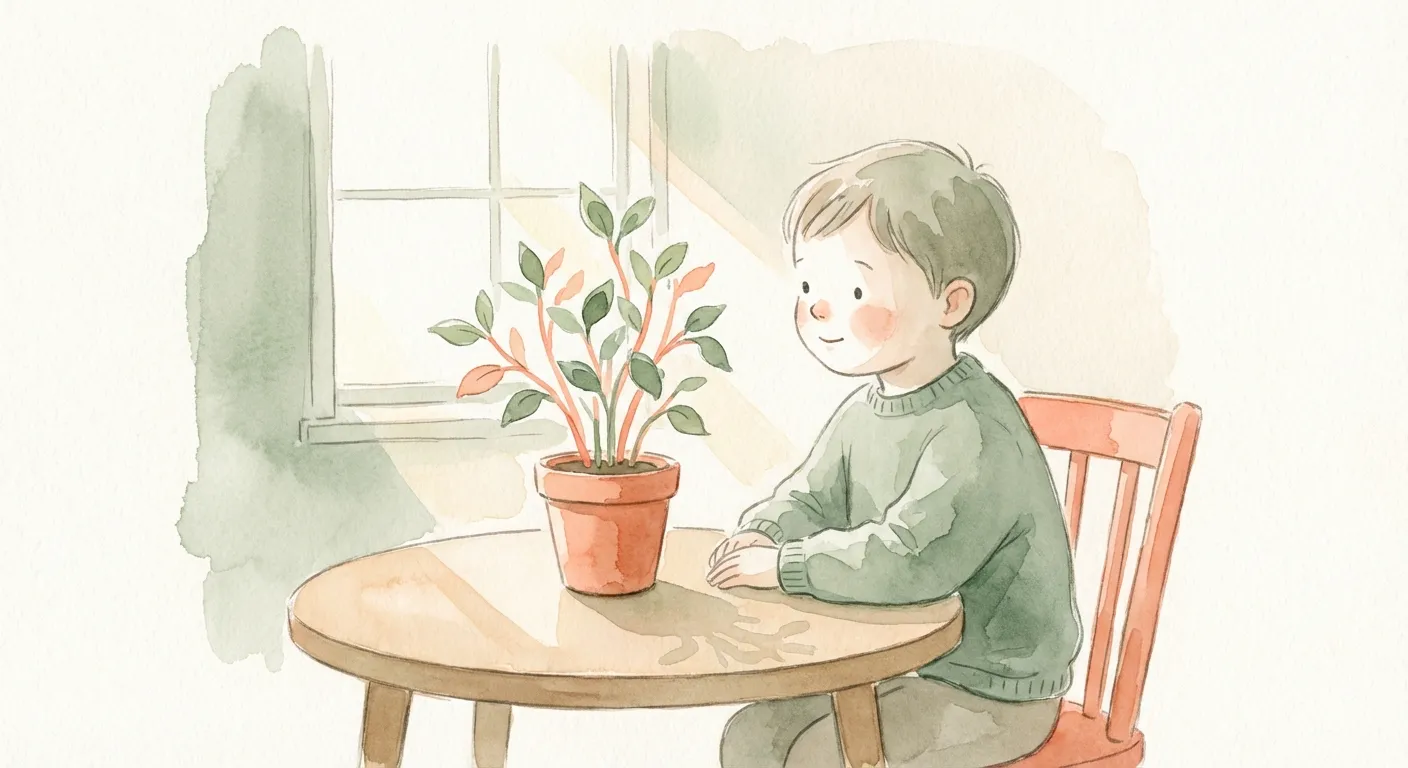
Tonight, when your kid gets something wrong -- a word, a fact, a skill -- try this: say nothing. Smile. Touch their shoulder. Move on. Watch what happens to their confidence. Watch what happens when you bring it back a few days later.
The correction you're holding back? That's not a missed teaching moment. That's the teaching moment.