
Let Your Kid Design Their Own Courage
The bravery staircase hands your child the blueprint. They pick the steps. They set the pace. You just show up and cheer.
The child who picks their own brave steps actually takes them.
- Kids who design their own courage plan stop freezing before tests, skipping parties, and eating lunch alone. They build the kind of confidence that no amount of 'you'll be fine' can create.
- The move: sit down tonight, draw six steps from barely uncomfortable to the big goal, and let your child fill in every rung.
Your six-year-old won't go to birthday parties. Your nine-year-old freezes before every math test. Your twelve-year-old eats lunch alone rather than sit with new people.
You've tried reassurance ("It'll be fine!"), you've tried logic ("What's the worst that can happen?"), you've tried just... avoiding the thing. None of it sticks. The fear keeps winning.
Here's the move that actually works: stop trying to convince your child they shouldn't be afraid. Instead, hand them a marker and a blank sheet of paper and say, "Let's build your staircase."
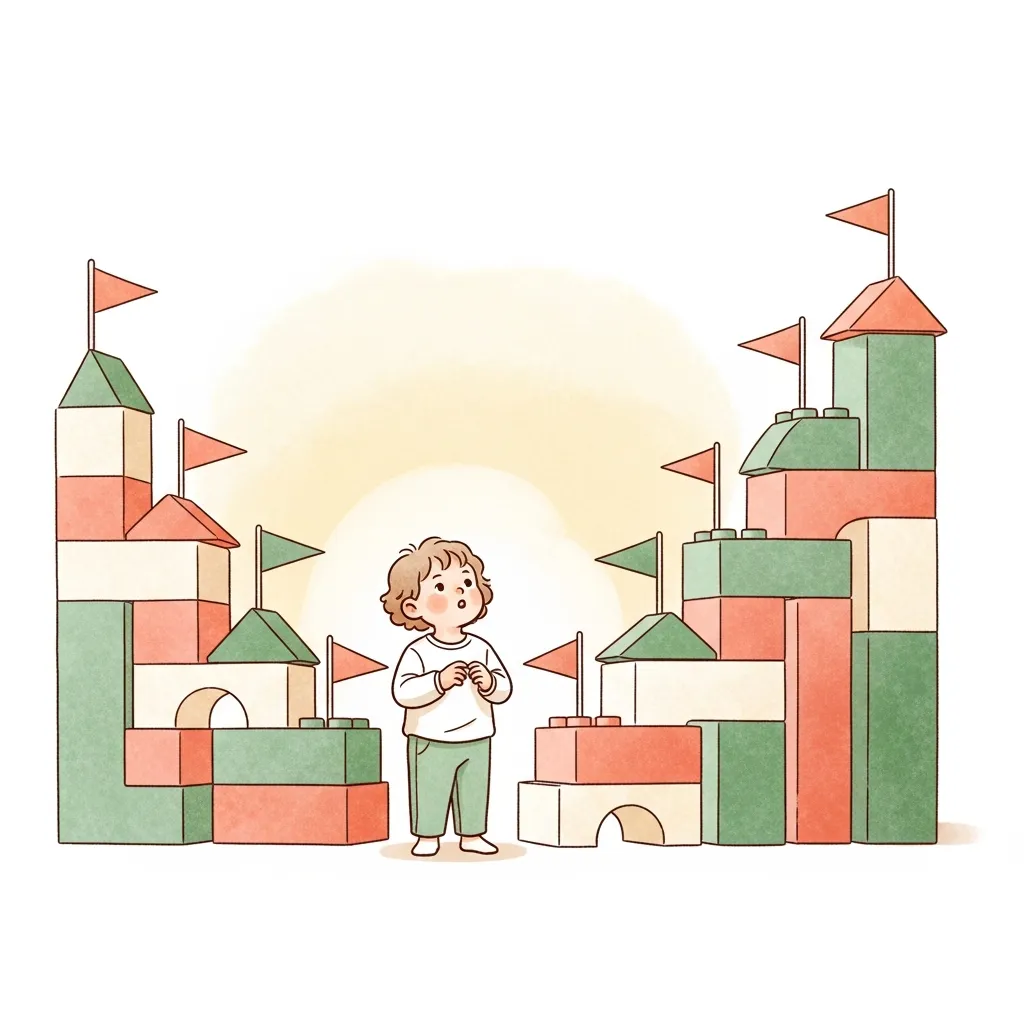
Why Your Child Needs to Be the Architect
Gradual exposure is the single most studied, most effective tool for childhood anxiety. Decades of clinical research confirm it. But there's a detail that makes or breaks it: the child has to own the plan.
When you decide the steps, it's a chore. When they decide the steps, it's a quest. The difference matters because anxiety is fundamentally about feeling out of control. Handing your child the pen — letting them decide what feels "a little scary" versus "way too scary right now" — starts undoing that helplessness before they take a single step.
Avoidance shrinks your child's world. Exposure expands it.
Every time they dodge a scary situation, their brain files it as "confirmed dangerous." Every time they face one and survive, the file gets updated.
The Avoidance Trap vs. The Staircase
Most parents fall into the avoidance trap with the best intentions. Your child says "I can't" and you think, "I'll protect them." But each removal of discomfort teaches the child's brain something specific: you weren't able to handle that.

| What Avoidance Teaches | What the Staircase Teaches |
|---|---|
| "That situation is dangerous" | "That situation is manageable" |
| "I need someone to rescue me" | "I can handle discomfort" |
| "My fear is always right" | "My fear is sometimes just noise" |
| "The world should shrink to fit me" | "I can expand to fit the world" |
Build the Staircase Tonight
Pick a real fear that's already affecting your child's life. Not a hypothetical. The birthday parties they skip, the restaurant orders they won't place, the playground they avoid. Real stakes create real motivation.
Sit down together. Draw a staircase. Six steps works well. The bottom step should be barely uncomfortable. The top step is the big goal. Everything in between is their call.
Example: Afraid of Speaking Up in Class
A real staircase built by a real kid. Your child's will look different.
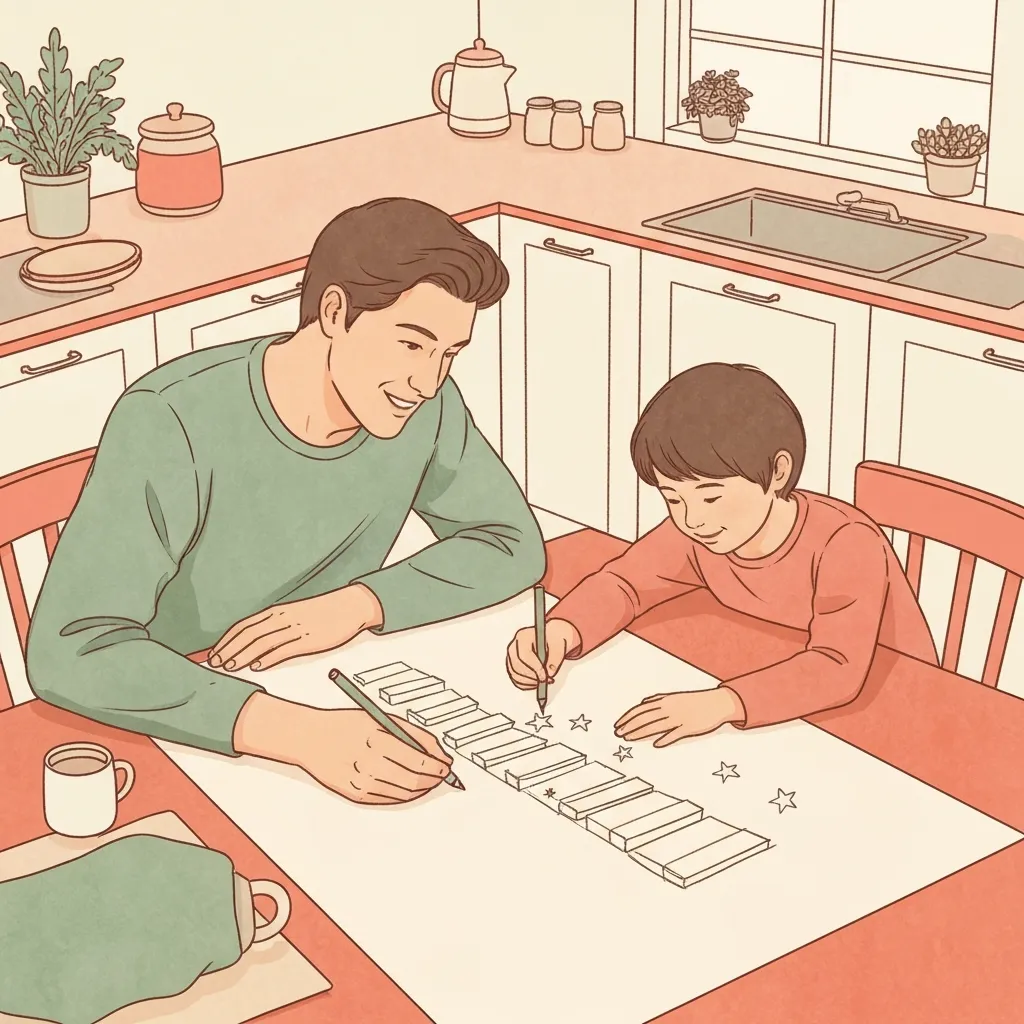
They Build It
Don't assume what's easy or hard. Ask them. What feels small to you might feel enormous to them.
Stay Until Bored
Don't rush to the next step. Repeat the current one until the anxiety genuinely drops and it feels routine.
Celebrate Stepping
Every rung they stand on is a win. Even if they never reach the top, progress is the entire point.
The Four-Question Worry Fact-Check
When your child is mid-spiral — convinced tomorrow will be a catastrophe — don't argue with the feeling. Walk them through the thinking instead. Four questions. Takes two minutes. Changes everything.
Run This Before Every Staircase Step
Let them say it. Naming the fear out loud takes some of its power away.
Anxious kids forget this version exists. Make them picture it.
Almost always somewhere in the middle — and far less dramatic than the worry predicted.
This is the question that builds real resilience. The answer is almost always yes.
Danger Signal or Worry Signal?
Before your child can climb any staircase, they need one foundational skill: telling the difference between a fire alarm and a smoke detector going off because someone burned toast.
Danger Signal
A real threat is present. An unfamiliar dog is growling and running toward you.
Right move: Listen to the signal. Get safe.
Worry Signal
The fear feels identical, but nothing dangerous is actually happening. Walking into a new classroom on the first day.
Right move: Name it as worry. Face it anyway.
How to Practice
Don't wait for a high-stakes moment. When your child mentions being nervous about something small — a playdate, a test, ordering food — ask: "Danger signal or worry signal?" Over time, they start categorizing on their own. That pause between feeling fear and deciding what to do with it is everything.
What Accidentally Feeds the Fear
You're probably doing some of these with love. That's the tricky part.
| Feeds Anxiety | Builds Bravery |
|---|---|
| Removing discomfort before they feel it | Facing feared situations in small, planned doses |
| Repeating "it'll be fine" without teaching them to think it through | Helping them sort real threats from worry noise |
| Dropping activities the moment they say they're scared | Celebrating the attempt, not just the outcome |
| Letting your own worries shape what they're allowed to try | Letting them sit with discomfort instead of rescuing |
| Throwing them into the deep end without building up to it | Handling your own anxieties where they can see it |
Parents have their own worry signals. If you're steering your child away from situations because they make you nervous — a neighborhood they could walk to, a class trip, a new social situation — check yourself first. Your child reads your body language before your words. If you look terrified, they'll file the situation as dangerous regardless of what you say.
The Staircase Keeps Working
Expect backslides. Your child might cruise through three steps and freeze on the fourth. That's normal. Go back one step. Let them rebuild momentum. Anxiety doesn't follow a straight line down — the overall trend matters more than any single day.
And when you're brave about something yourself — a tough conversation at work, trying something new, speaking up when it's uncomfortable — narrate it. "I was nervous about that presentation today, but I did it anyway and it went fine." Your child needs to see that adults feel fear and move through it. Not that adults never feel afraid.
Tonight, grab a marker. Draw a staircase. Ask your kid what goes on each step. Then let them climb.