
Stop Speaking For Your Kid
The hardest parenting discipline is keeping your mouth shut.
- Kids who practice self-advocacy early become teenagers who run their own IEP meetings, manage money, and handle supervisors — then adults who don't need you to function.
- The shift: stop translating, ordering, and answering for them — stand one step behind and let them do it badly until they do it well.
The hardest parenting discipline that pays off most
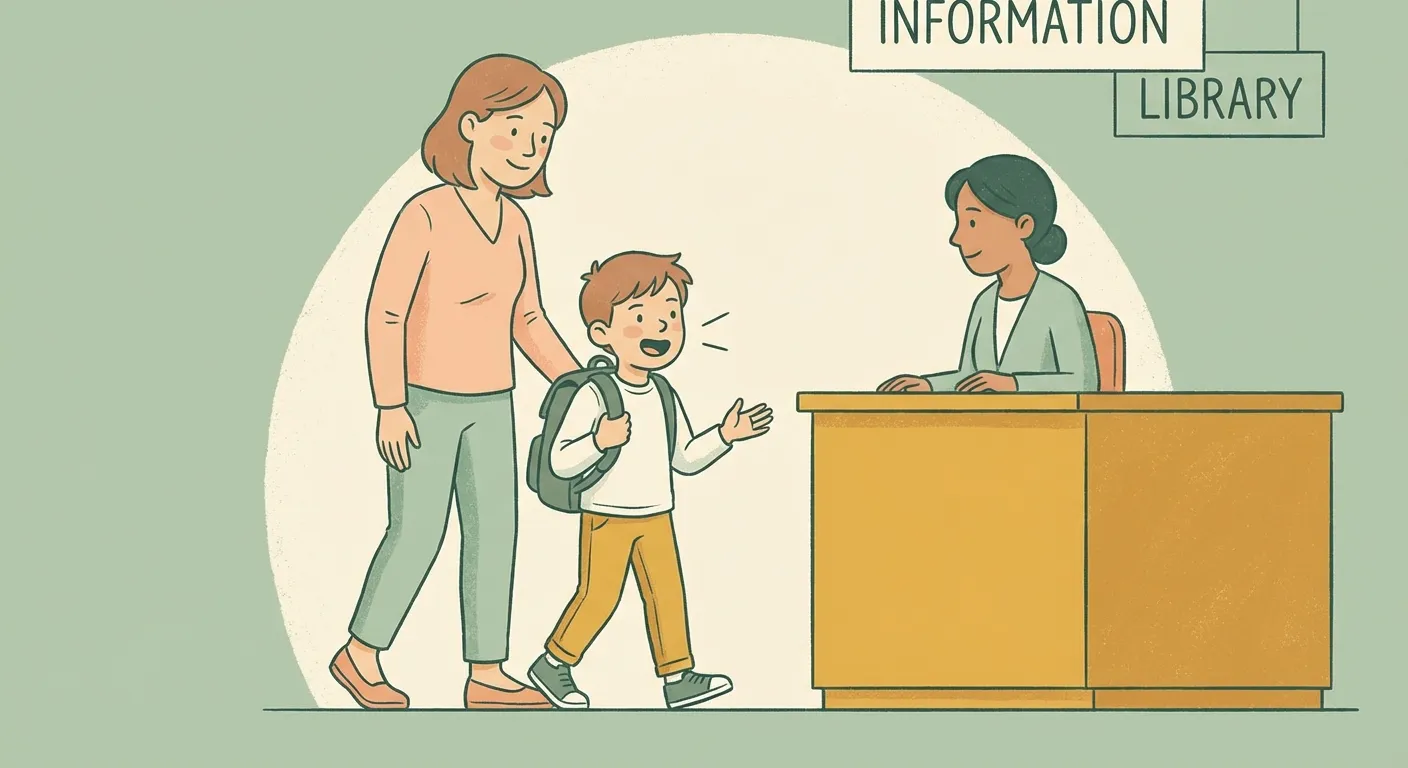
Your kid is at the doctor. The doctor asks what's wrong. You open your mouth — and catch yourself.
You turn to your kid instead: "You tell the doctor what's been bothering you."
It takes longer. It's less precise. Your kid fumbles a bit. And it's one of the most important things you'll ever do as a parent.
The Number That Should Change Everything
Research from the National Technical Assistance Center on Transition tracked thousands of students through adulthood. The factor that showed up again and again as the strongest signal of future success? Family expectations and involvement.
Kids rise or fall to the bar you set. So the question becomes: what does that bar look like in daily life?
Coach From Behind, Not In Front
There's a phrase buried in the research that deserves to be printed on every parent's bathroom mirror: coach from behind, not in front.
It means: stop running interference. Stop translating. Stop ordering their food, answering their questions, managing their schedule. Instead, stand one step behind them and let them do it — awkwardly, slowly, imperfectly.
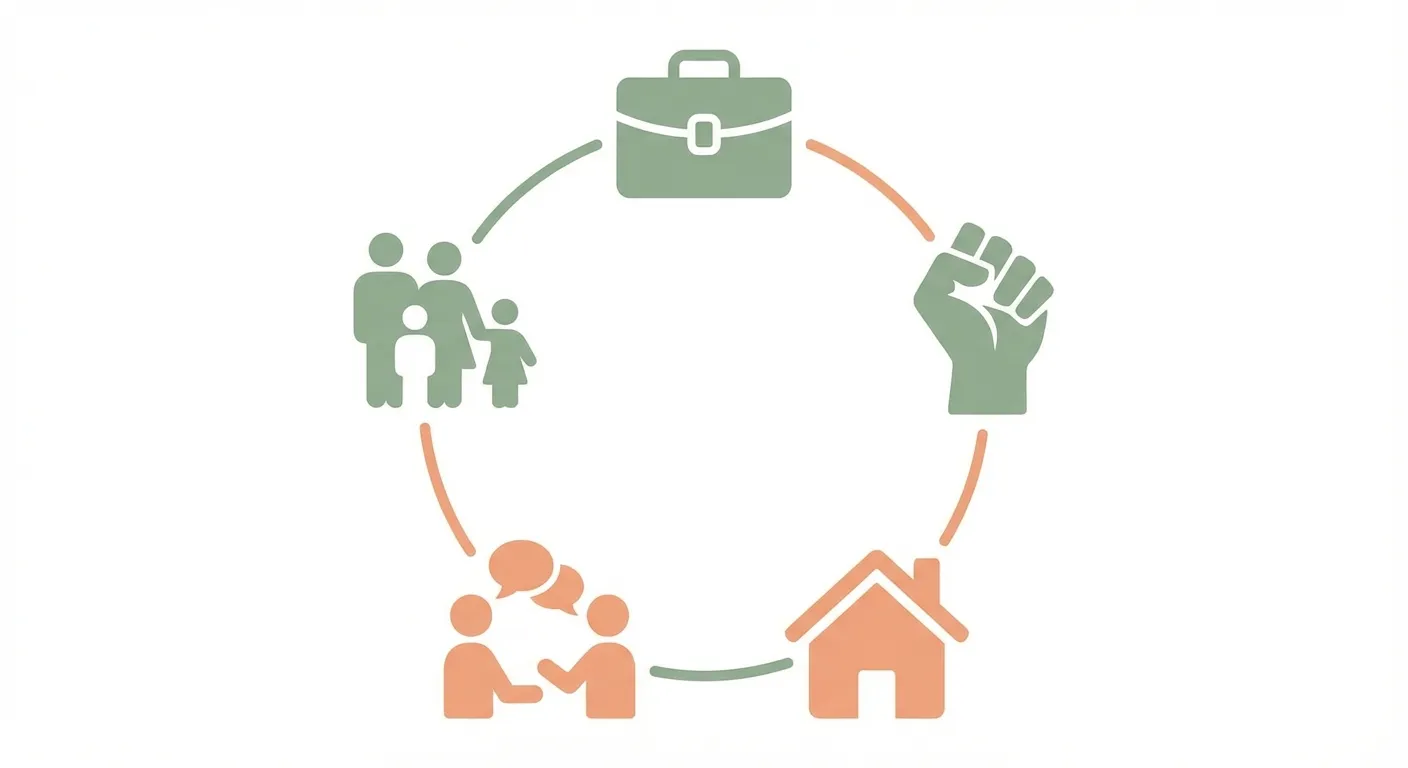
Here's what that looks like in practice:
Every one of these moments is a rep. And like any training, the reps compound.
Why Work Experience Beats Perfect Grades
Here's a finding that surprises a lot of families:
This doesn't mean academics don't matter. It means that if you have to choose between another tutoring session and your teenager stocking shelves at the local store three afternoons a week — the shelves win.
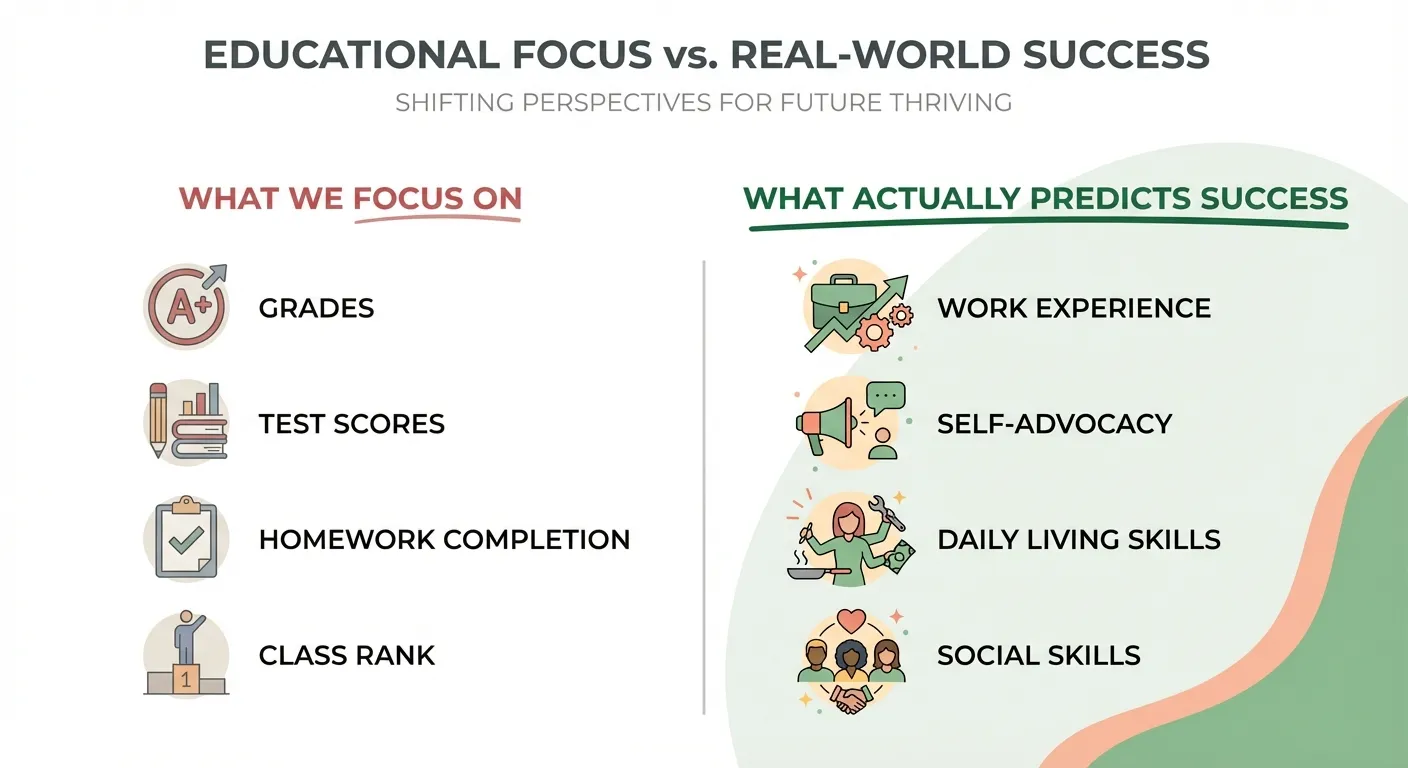
| What We Obsess Over | What Actually Predicts Success |
|---|---|
| Test scores | Paid work experience |
| Homework completion | Self-advocacy skills |
| Therapy hours logged | Real-world practice in context |
| Perfect attendance | Daily living skills (money, transit, cooking) |
| The "right" school | Parent expectations and involvement |
The jobs don't have to be glamorous. Bussing tables, helping in an office, walking dogs for a neighbor. What matters is the meta-skills: showing up on time, following directions, handling feedback, interacting with a supervisor. Those are universal.
The Playbook By Age
This isn't something you start at 16. The best results come from a long runway.
Four Moves to Start This Week
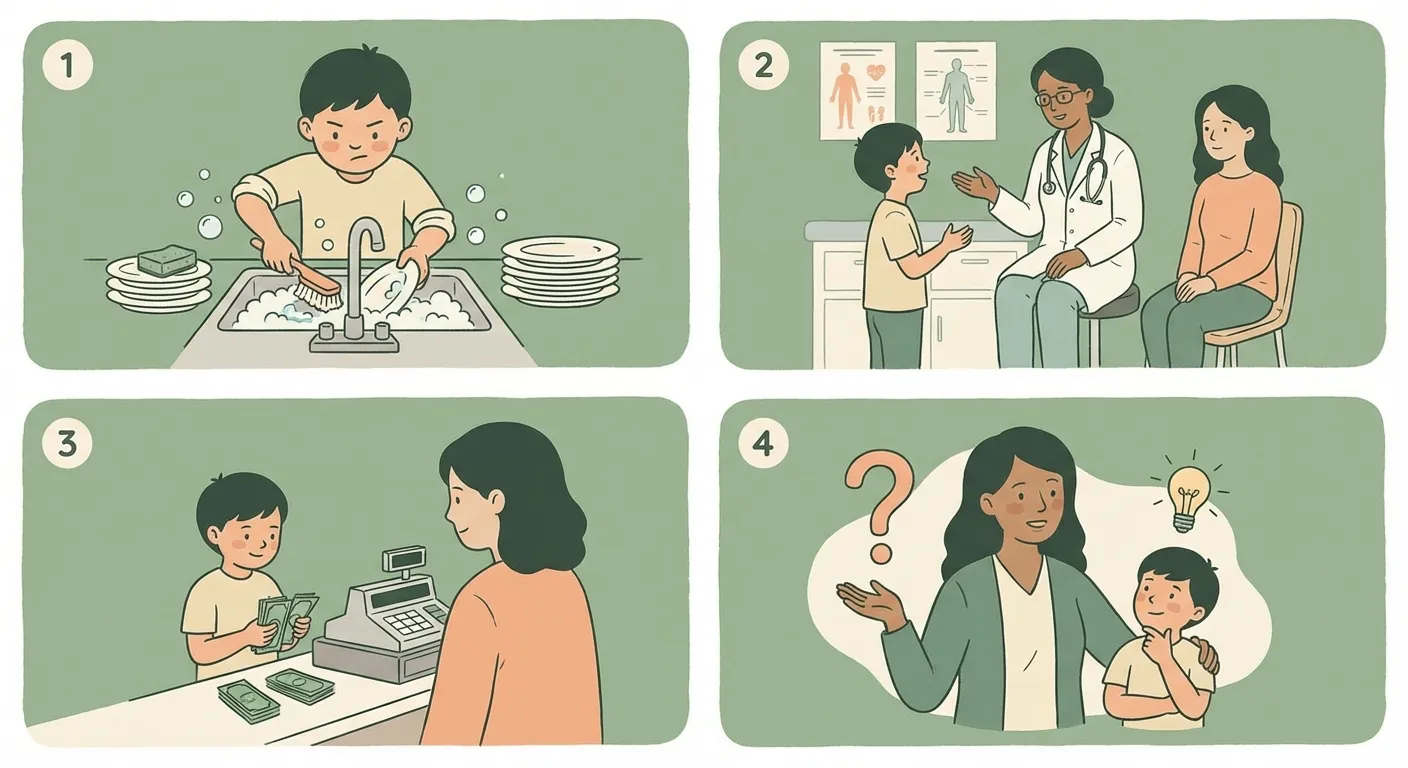
Not a "chore" — a responsibility the household depends on. Planning a meal. Managing the family calendar for one week. Researching the best route for a road trip. Something with stakes.
Doctor, dentist, teacher conference — whatever comes up next. Let them do the talking. Prep them beforehand if you need to. But when you're in the room, zip it.
At the grocery store, at the fast food drive-through, at the school book fair. Let them handle the transaction. Count the change. Make the decision about what they can afford.
When a problem comes up — instead of solving it, ask: "What do you think you should do?" Then wait. The silence is where the growth happens.
None of this is easy. Watching your kid struggle when you could jump in and fix it — that's the real kung fu. The discipline of restraint. The faith that letting them fumble now builds the muscle they'll need later.
Because the goal was never to do it for them. The goal was always to make yourself unnecessary.