The Fire Drill That Keeps Kids Off Drugs
The conversation that happens when nothing is wrong is the one that matters most.
- Kids who get steady, low-key check-ins trust their parents enough to call when the situation gets bad. They have exit plans, ready-made lines, and a relationship that survives the teen years intact.
- The move: build trust through regular family meals and casual check-ins, then use that trust when stakes get high.
Practice saying no before it matters. Then layer in the right conversations at the right age.
Here's a move you can try at dinner tonight: turn to your 8-year-old and say, "What would you do if a friend dared you to do something that scared you?"
Then let them answer. Out loud. In their own words.
That's it. That's the single most powerful thing prevention research has found for keeping kids away from substances. Not a lecture. Not a scary documentary. A rehearsal.
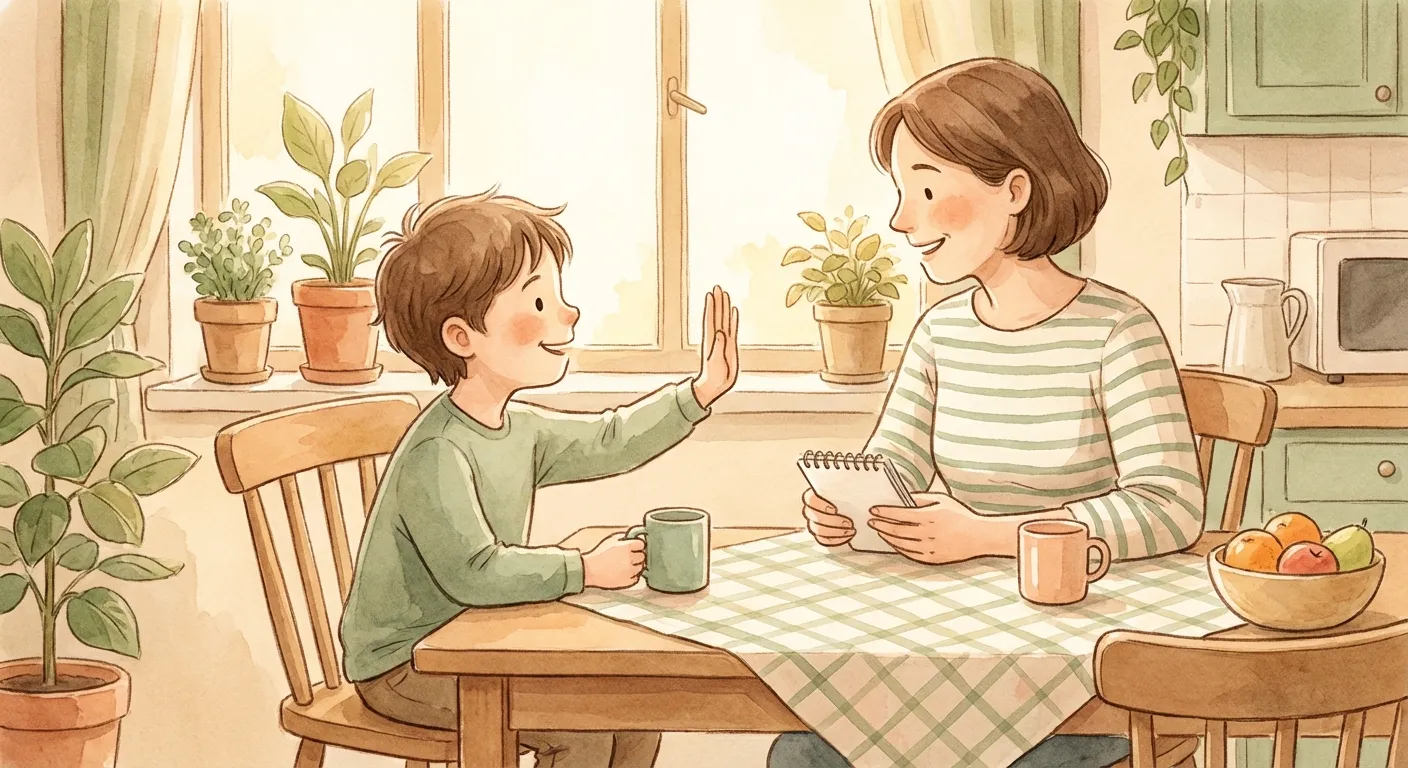
Rehearsing resistance in a safe setting builds the muscle memory kids need under real pressure.
Why rehearsal works (and lectures don't)
Think of it like a fire drill. Nobody expects to learn evacuation routes while the building is actually burning. You practice the response beforehand so it becomes automatic.
Same principle. When a 12-year-old is standing at a party and someone holds out a vape, the question isn't whether they know it's bad. It's whether they have a ready-made response they can reach for without thinking. Rehearsal builds that.
And here's the kicker: prevention research shows that practicing resistance to one type of pressure helps kids handle other types too. The skill is transferable.
Kid freezes. Doesn't want to look weird. Goes along.
Later thinks of ten things they could have said.
Kid has a line ready. Delivers it naturally.
Moves on. Doesn't even register as a big deal.
Two scenarios to practice this week
"What if someone at school showed you a pill and said it was no big deal?"
The key idea to land: taking someone else's medicine — even once — can make you seriously sick. That scared feeling they get? That's their brain's alert system. They always have the right to listen to it.
"What would you say if a friend dared you to try something you didn't want to try?"
Let them come up with their own words. "Nah, I'm good" works just as well as a five-paragraph explanation. The point is having something ready.
The four stages of the conversation
Rehearsal is one tool. But the broader play is a rolling conversation that deepens as your kid grows — not one awkward Talk, but dozens of small ones matched to what they can actually absorb.
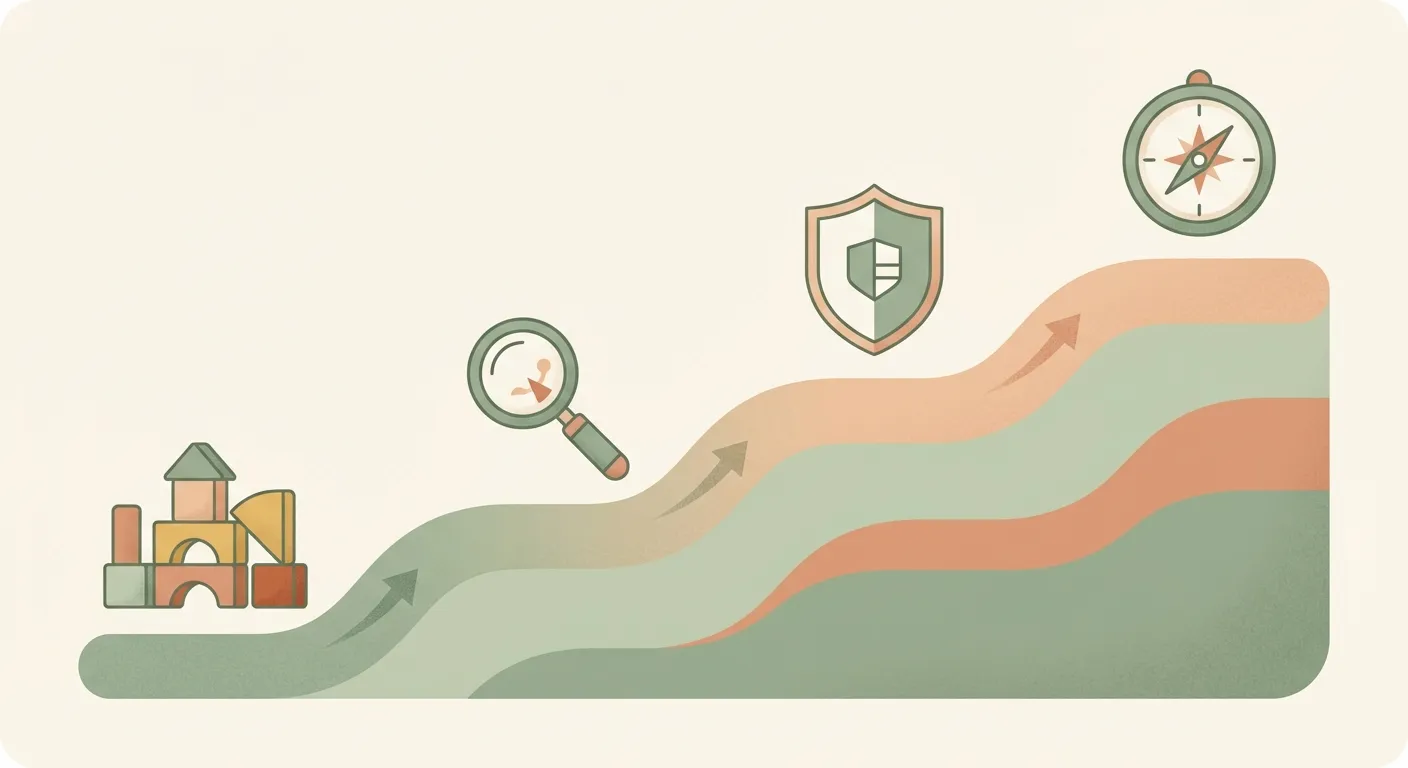
Each stage builds on the last. Start early, keep going.
| Age | Focus | Your move |
|---|---|---|
| 3 - 6 | Medicine safety, healthy habits | "See the name on this bottle? Medicine is only for the person whose name is on the label." |
| 6 - 11 | Media literacy, pressure rehearsal | "That beer commercial looks fun — what are they actually trying to sell you?" |
| 11 - 14 | Real numbers, brain science | "Fewer than 1 in 10 kids your age drink. It's way less common than people think." |
| 14 - 18 | Goals, identity, independent judgment | "Want to make varsity? Smoking tanks your endurance." |
The "everyone does it" problem
Middle schoolers dramatically overestimate how many of their peers use substances. When your kid says "everyone does it," they genuinely believe that. Which is why real numbers are so powerful.
Here's what 8th graders actually report using in the past month:
Hand your kid these numbers. Now they have a concrete comeback: "Actually, fewer than 1 in 10 kids my age drink." That's not a lecture — that's ammunition.
When they ask: "Did you ever try drugs?"
This one trips up a lot of parents. The instinct is to be honest, share your story, connect through vulnerability. But here's what actually happens:
"Yeah, I tried it a few times in college. It wasn't a big deal."
"My parent did it and turned out fine. So it must be safe."
One parent shared their honest story. Their kid's response? "If you did it and turned out fine, why can't I?"
Instead, steer toward the bigger picture: what you know now about risk, what you wish you'd understood at their age, and what the science says about developing brains.
The teen years: connect it to what they care about
By 14-18, scare tactics have zero traction. What works is tying substance effects to their personal goals.
And here's the move that works best with teens: feed the need for intensity. They crave adrenaline and novelty — that's biology, not rebellion. Channel it. Rock climbing. Performing on stage. Learning a new skill at speed. Setting audacious goals. Give their dopamine system something real to work with.
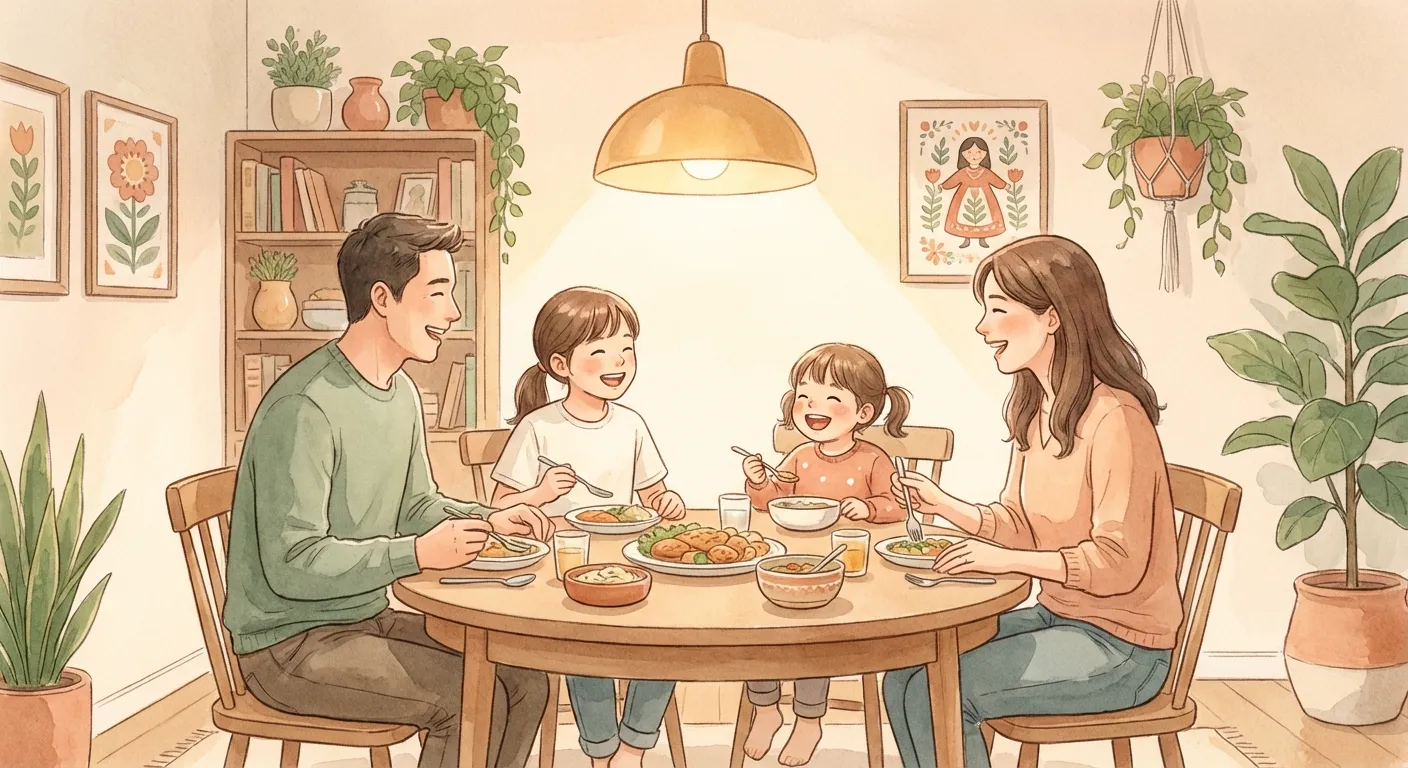
Regular family meals are consistently linked to lower rates of substance use. It's not the food — it's the connection.
The dinner table advantage
Research consistently links frequent family meals to lower rates of adolescent substance use. Not because of some magic in the food — because regular, unhurried time around a table creates space to check in, read body language, and stay connected to what's actually going on in your child's life.
The conversations that happen when nothing is wrong create the trust that makes crisis conversations possible.
Keep the thread alive
The first conversation isn't the most important one. The twentieth is. Here's how to stay in the game long-term:
- Start early and keep going. Each stage builds on the last. There's no single "right age" for the talk — because it's not one talk.
- Catch shifts early. Changes in sleep, mood, friend groups, or motivation are worth noticing. Don't interrogate — just open the door.
- Model repair. If you overreact, come back: "I got scared and came on too strong. Can we try that again?" This teaches them ruptures aren't permanent.
- Use their channels. Car rides, texts, handwritten notes — the format matters less than showing up consistently in whatever channel they'll actually use.
- Know your own state. When you're exhausted and running on anxiety, your reactions get bigger and less helpful. Notice before you start.
- Set up exit plans early. "You can always call me or text a code word if you need to leave a situation." This gives them an out without losing face.