
Your Child's Grief Is Not a Problem to Fix
The anger, the tears, the searching -- it all means their emotional system is working exactly right
The first grief conversation is not the last one. Kids re-process loss as they grow.
- Kids who get repeated, honest conversations about loss at each developmental stage build emotional vocabularies that carry them through everything else life throws at them.
- The move: use the same four steps -- own, present, expect, normalize -- whether it's the first conversation or the fiftieth.
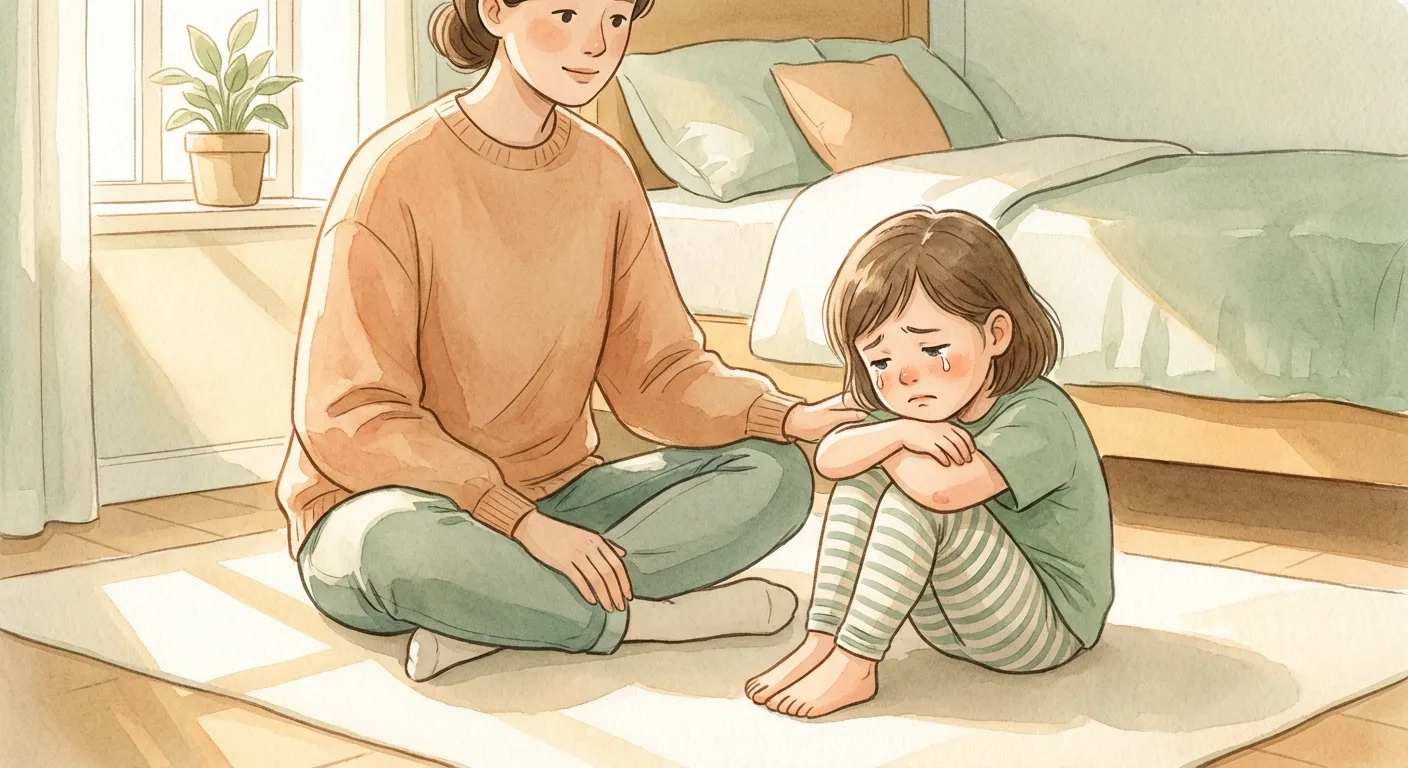
Your six-year-old screams "I hate you!" three weeks after Grandma's funeral. Your eight-year-old checks the front door every evening, even though nobody's coming. Your four-year-old laughs during a conversation about death, then melts down at bedtime.
None of this is broken. All of it is working.
Developmental research across attachment science and child bereavement consistently shows the same thing: children grieve with their entire system. Anger, searching, confusion, sudden joy -- these are not signs of a child who is struggling. They are signs of a child who loved someone and is doing the hard, necessary work of figuring out what the world looks like without them.
When grief goes sideways in children, it is almost always because adults -- with the best intentions -- blocked the process.
What Grief Actually Looks Like in Kids
Most parents expect sadness. What they get is a storm of behaviors that look like anything except textbook mourning. Here's the reframe:
| What You See | What It Means | What to Do |
|---|---|---|
| Crying and calling out | Their attachment system is doing exactly what it's designed to do -- reaching for someone who isn't there. | Stay close. Don't hush or redirect. |
| Searching for the person | The mind slowly catching up with a reality the heart doesn't want to accept. Not denial -- processing. | Answer honestly every time they ask. |
| Anger and irritability | A child who says "I'm mad at Daddy for leaving" is processing, not misbehaving. | Name it: "You're really angry. That makes sense." |
| Withdrawal and quiet | Deep sadness and longing. May show up as lost appetite, wanting to look at photos, pulling away. | Don't rush it or try to cheer them out of it. |
| Returning to normal play | The loss is finding a place inside them rather than overwhelming everything. This is not forgetting. | Let it happen. Joy and grief can coexist. |
Every one of these behaviors is a strength signal. A child moving through them is a child whose emotional system is intact and doing its job. The only thing that can derail it? An adult who shuts it down.
The OPEN Method: Four Moves for Every Wave
Grief doesn't follow a schedule. Your child may seem fine for weeks, then fall apart at bedtime or on a birthday. Each wave needs the same four moves -- and they work whether it's the first conversation or the fiftieth.
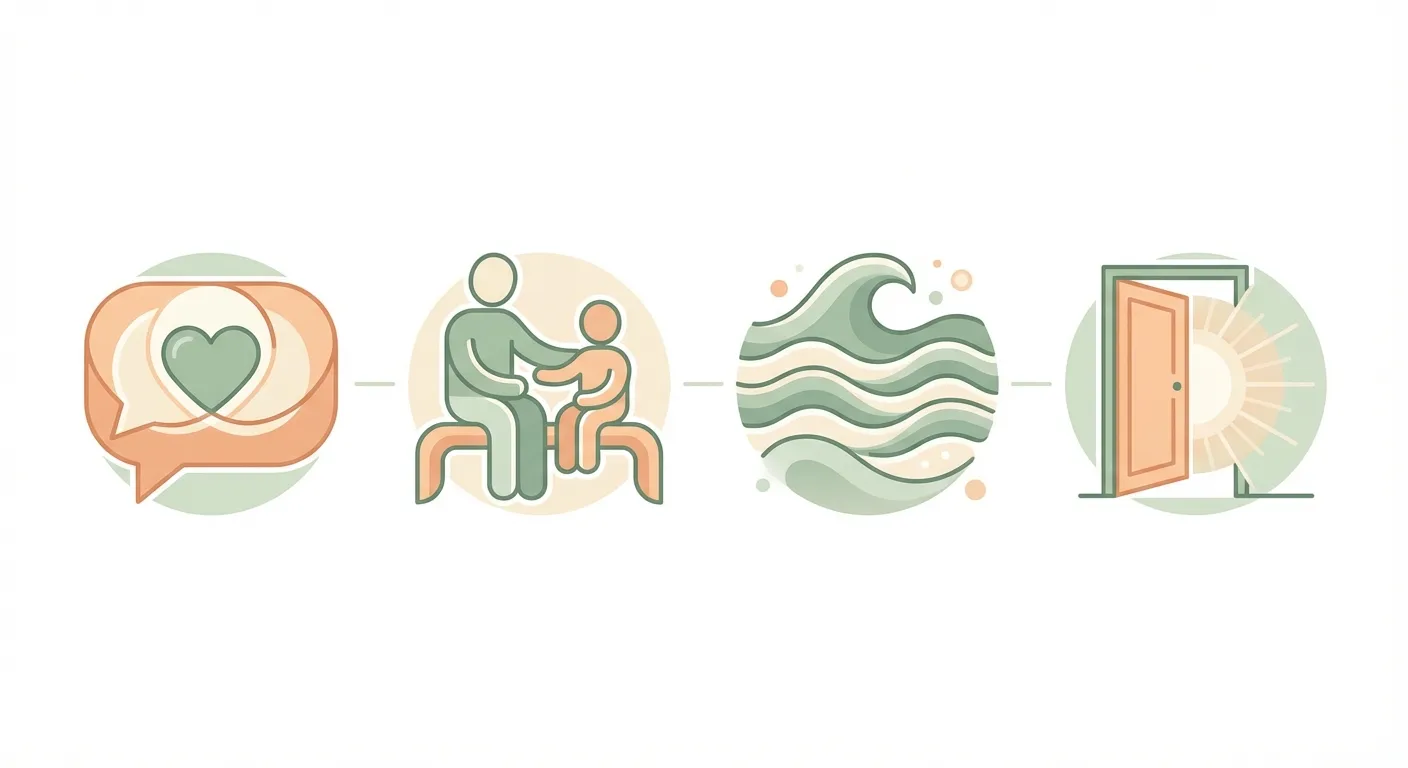
Own the Truth
Use plain, honest language. Euphemisms like "passed away" or "went to sleep" confuse young children and can create new fears -- of sleep, of travel, of hospitals.
Be Present with Feelings
Don't rush to comfort or explain. Sit with them. Let silence happen. If they cry, stay close. If they're angry, name it without correcting it.
Expect Waves
A child may seem fine for weeks, then fall apart on a birthday or at bedtime. Each wave is part of the process, not a setback. Meet it the same way every time.
Normalize All of It
Children watch adults for cues about what's acceptable. If you treat their anger, confusion, or even laughter as normal, they learn that loss is survivable.
Three Things That Block Grief (and What to Do Instead)
These come from good instincts -- wanting to protect your child from pain. But they backfire. Unprocessed grief doesn't disappear. It surfaces later as anxiety, aggression, or emotional numbness.
Children take this literally. They may wonder why no one is looking for Grandpa, or fear getting "lost" themselves.
Clear. Kind. It gives a child something solid to stand on instead of confusing metaphors.
Teaches children to bury grief. It doesn't go away -- it just goes underground and surfaces later.
Showing your own age-appropriate sadness teaches children that feelings are safe to have and share.
A child who's lost one important person and senses the other pulling away faces a double loss.
Share your grief at an age-appropriate level. It tells your child: we can carry this together.
Keeping the Door Open -- Long After the Funeral
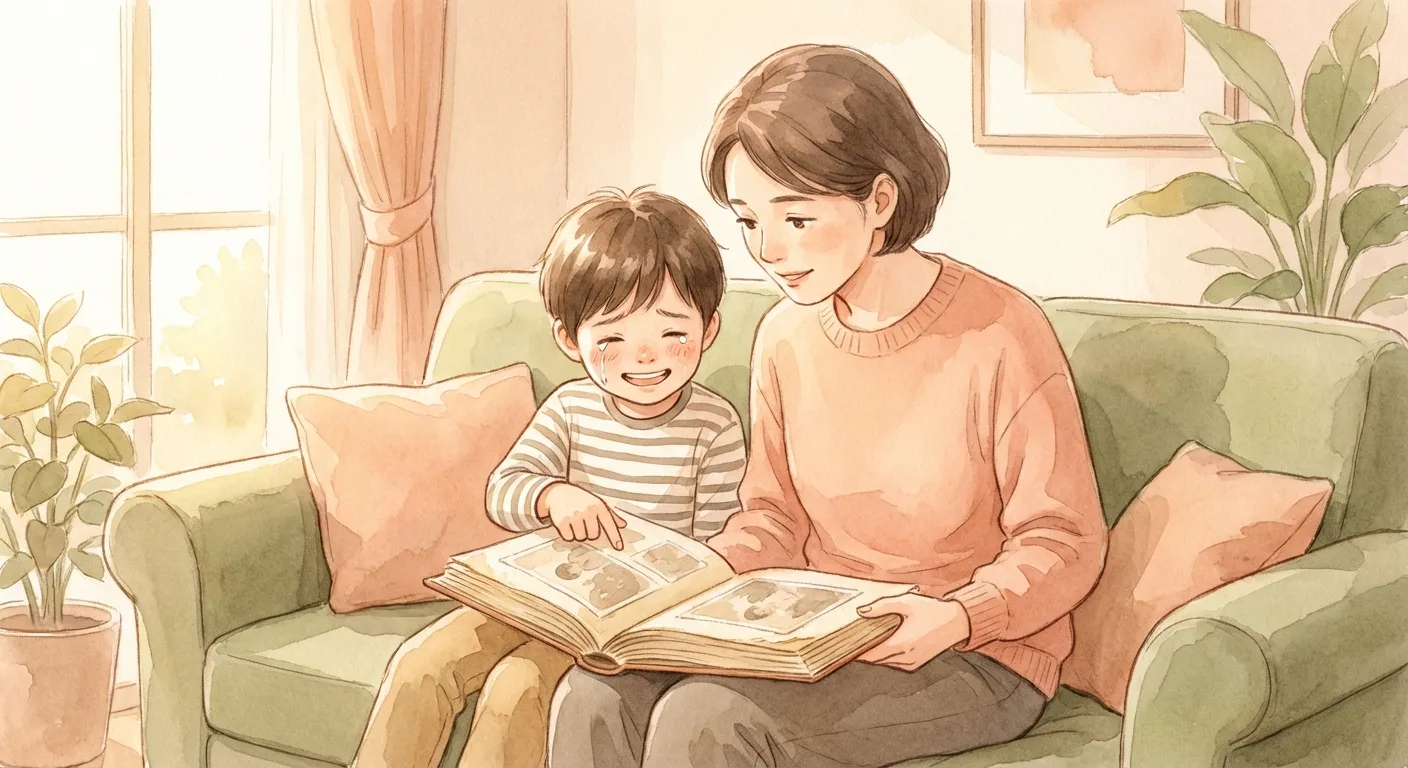
The first conversation is not the last one. A five-year-old processes death differently than a ten-year-old. The same loss may need re-explaining as they mature -- that's not reopening a wound, it's helping them understand at a new level.
Revisit the Conversation
Don't treat the first talk as the last. Check in regularly: "I was thinking about Grandma today. Do you ever think about her?"
Mark Milestones
Birthdays, holidays, and anniversaries can trigger waves. Name them: "This would have been Dad's birthday. Want to do something to remember him?"
Watch for Stuck Grief
Persistent withdrawal, sleep problems, school avoidance, or regressive behavior lasting many months? Consider professional support. Stuck grief is treatable.
Let Understanding Deepen
As kids grow, they re-process the same loss with deeper understanding. Welcome the questions when they come back around.
The Bottom Line
Your child's messy, loud, confusing grief means they loved hard and their emotional system is doing its job.
Don't fix it. Don't rush it. Just be there -- honest, present, steady -- and let them feel all of it.