
The Most Powerful Thing You Can Say When Your Kid Loses It: Nothing
Silence isn't giving in. It's the most effective response to a meltdown.
- Kids raised this way learn that big feelings pass on their own, stop escalating to get a reaction, and develop self-regulation without being shamed into it.
- The move: go silent, step away for ten seconds, come back with one calm sentence — then drop it completely.
Ten seconds of silence does more than ten minutes of lecturing. Here's how the world's calmest parents actually pull it off.

Your kid just threw a cup of water across the kitchen. Your jaw tightens. The words are right there, loaded and ready to fire. You open your mouth and —
You say nothing.
Not because you're a pushover. Not because you're counting to ten. Because you know something most parents don't: silence is the move that changes everything.
When you yell, your child's brain switches from learning mode to survival mode. They literally cannot hear your lesson. Silence keeps their brain online — and yours.
Cross-cultural research on parenting reveals something striking: in communities from the Arctic to Central America, parents rarely raise their voices at children. Not because they're endlessly patient saints. Because they've built a completely different operating system — one where the anger doesn't fire in the first place.
That operating system has three layers. And you can install it tonight.
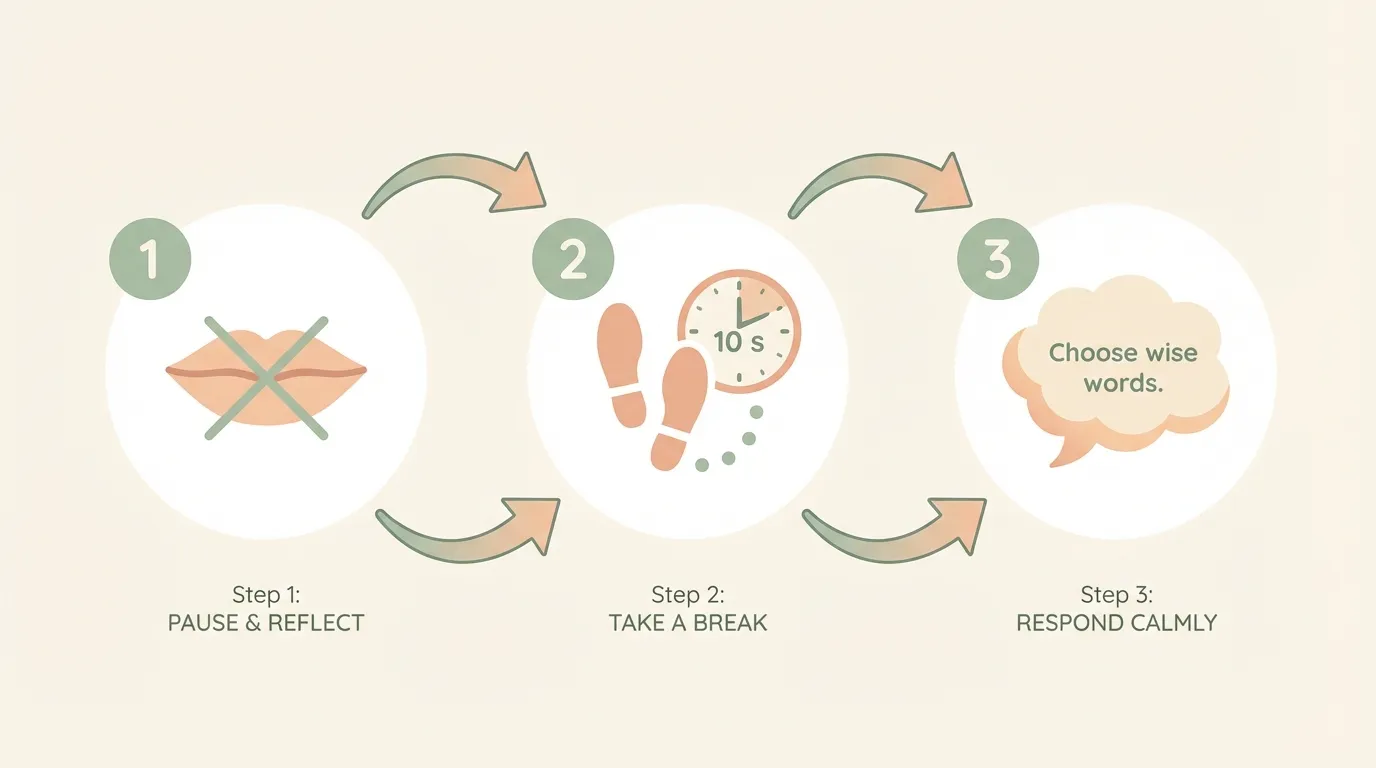
The 10-Second Protocol
This is for the moment the anger arrives. Not a philosophy. Not a mindset shift. A physical sequence you can execute while your blood is boiling.
Seal your lips
Press them together. Whatever you were about to say — swallow it. Even "calm" words carry your emotional charge like static electricity. Kids feel it. Every time.
Internal mantra: Be still. Be the steady ground.
Create physical distance
Turn around. Leave the room. Step into the hallway. Even ten seconds of physical space changes your brain chemistry. The window for yelling is shockingly narrow — ride out this tiny gap and the wave passes on its own.
Return and name it — once
Come back. Make a single calm observation. No lecture. No interrogation. Then move on completely.
One sentence. Then the moment is done. No rehashing it at dinner. No "we need to talk about what happened earlier." Children learn from the quick, calm correction — not the twenty-minute debrief that follows.
Why Silence Works Better Than Any Speech
| When You Yell | When You Go Silent |
|---|---|
| Child's stress response activates | Child's learning brain stays online |
| They hear your tone, not your words | Your calm becomes the loudest signal |
| They match your energy and escalate | The tantrum has no fuel to burn |
| They learn: big feelings = big reactions | They learn: big feelings pass on their own |
| Short-term compliance, long-term damage | Slower results, permanent wiring |
The Feedback Loop You're Breaking
Heads up: when you first try this, kids often escalate harder for a few days (an extinction burst). They're testing whether the old pattern still works. It passes. Stay the course.
The Deeper Game: Generating Less Anger
The 10-second protocol handles the moment. But the real mastery? Rewiring your brain so the anger barely shows up in the first place.
Most parental anger starts with a story: She's doing this on purpose. He's trying to manipulate me. They know better. But developmental science says something different: children under 7 or 8 genuinely lack the brain wiring for consistent impulse control. Their prefrontal cortex is literally under construction.
When you absorb that — not as a fact you know, but as a lens you see through — the anger often doesn't arrive at all.
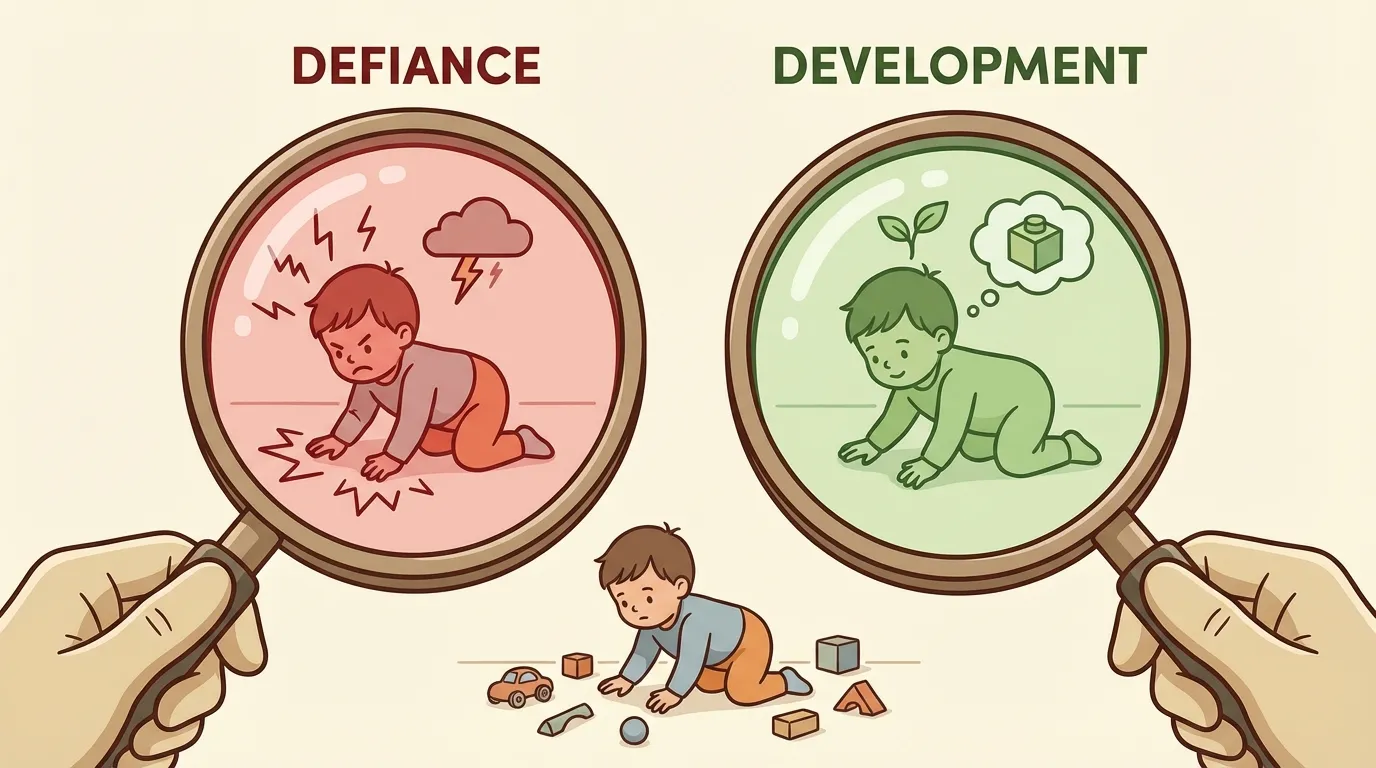
Swap the Story, Lose the Rage
This isn't about letting bad behavior slide. It's about responding from clarity instead of from heat. You still set limits. You still teach. You just do it from a place where you can actually think straight.
Build the Muscle: 5 Accelerators
Your Calm Practice Kit
This isn't about swallowing your anger or pretending everything is fine. It's about seeing your child so clearly that less anger arrives in the first place. Every time you choose silence over shouting, you're rewiring your own default. It gets easier. And your kids are watching you do it.