
The Most Powerful Parenting Move Looks Like Nothing
Three modes that turn you into a launchpad for a brave, capable kid
The kids who explore furthest have the steadiest parents behind them.
- Kids raised this way try harder things, bounce back faster, and handle stress without falling apart -- from toddlerhood through the teenage years.
- The move: operate in three modes -- standby (be present), refuel (match comfort to distress), release (send them back out).
Picture a Saturday afternoon. Your four-year-old is crouched over an anthill in the backyard. You're on the porch, coffee in hand, half-reading something on your phone. Every couple of minutes, she looks up, finds your face, and goes right back to the ants.
That glance-and-return? That tiny moment where she checks that you're still there? It's the whole game.
Decades of developmental research across 150+ cultures have confirmed something that feels almost too simple: children who get the most consistent warmth and responsiveness don't become clingy. They become braver. The kids who explore the furthest, try the hardest things, and bounce back the fastest are the ones who know -- bone-deep, no question -- that when they come back, someone will be there.
Your child doesn't need you to direct the adventure. They need to know you're the place they come back to.
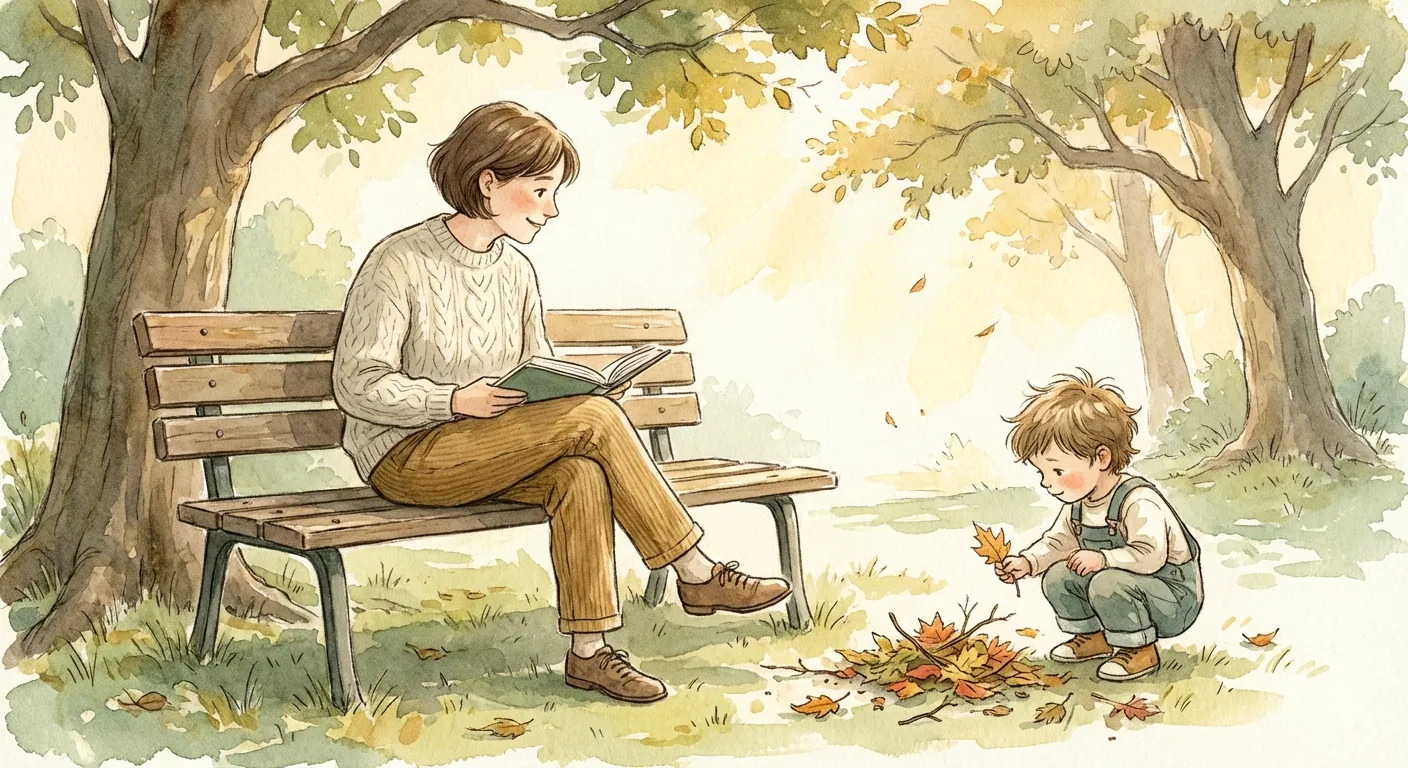
Standby mode: the foundation everything else rests on
The Three Modes
Think of yourself as a launchpad. You're not chasing the rocket. You're not steering it. You hold steady, fuel up, and let go. Here's how that works in practice:
Mode 1: Standby
Most of the timeYou're not directing, teaching, or fixing. You're simply there -- present and reachable. Your child knows you're in the next room, on the bench at the park, at the end of a phone call.
Standby looks passive. It isn't. It's the foundation everything else rests on.
Mode 2: Refuel
When they come backSomething went wrong, or they're just spent. They come back to you. What you do in this moment determines whether they venture out again or start to hesitate.
Mode 3: Release
When they're ready to goOnce refueled, your job shifts: encourage them to head back out. The goal isn't to keep them close. It's to give them the nerve to explore further than last time.
The Refuel Cheat Sheet
The critical move: match your response to their distress level. Not every return needs a bear hug. Not every bump needs just a glance.
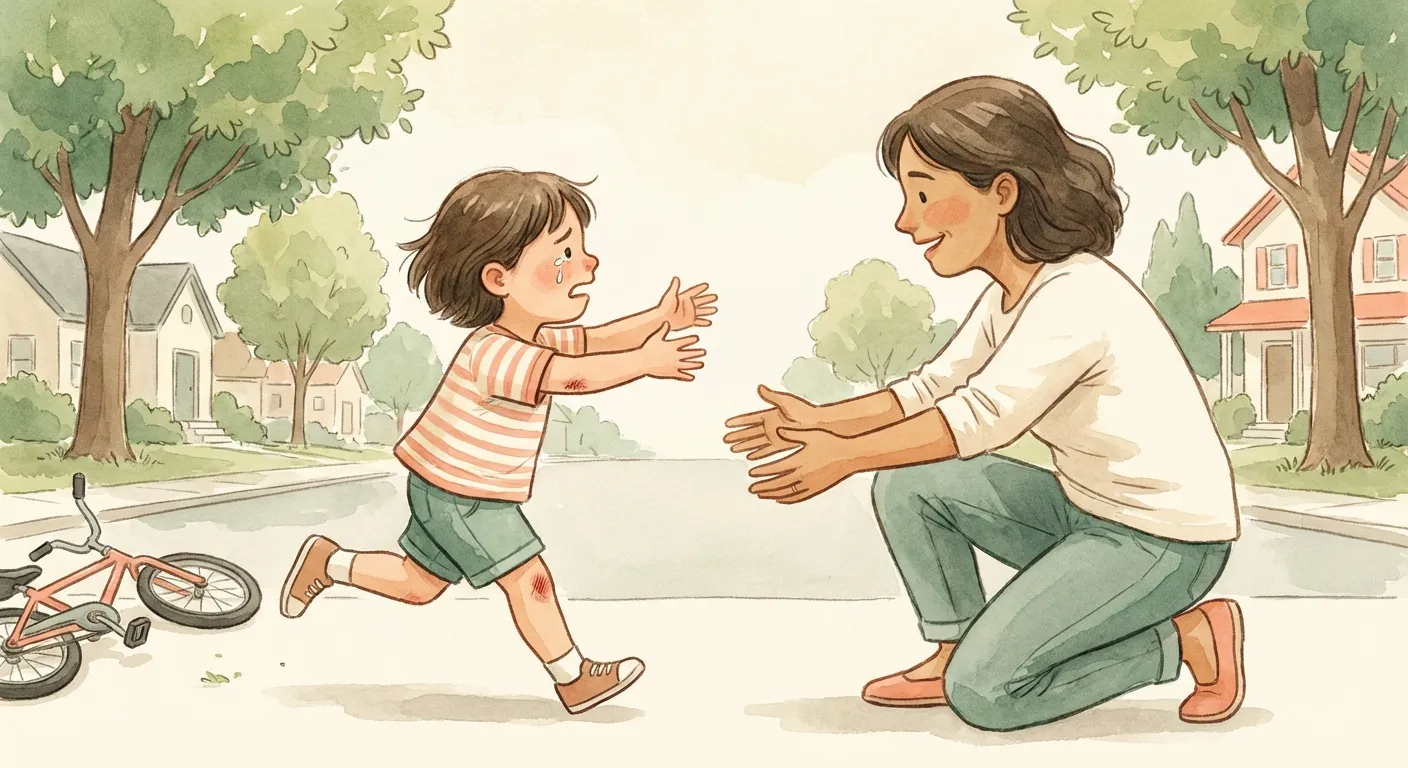
Refuel mode: the moment that determines what happens next
Less Directing, More Presence
Most parents overvalue the active stuff -- the teaching, correcting, narrating every move. The research says the quiet availability matters more. Here's what that shift looks like:
| Less of this | More of this |
|---|---|
| Organizing their play | Watching what they choose |
| Correcting their approach | Letting them figure it out |
| Narrating every move | Commenting when they look at you |
| Jumping in at the first struggle | Pausing to see if they solve it |
| Pulling them back to safety | Pointing out what's ahead |
How This Grows With Your Kid
The launchpad principle stays the same across every age. The form changes.
Baby (0-1)
Answer their signals consistently. Babies who get reliable responses actually fuss less as the months go on and cooperate more naturally -- not because they're trained, but because they trust.
Toddler / Preschool
Stay accessible while they roam. Follow what catches their eye, narrate their discoveries, let them lead. They toddle away, glance back, see you watching -- and toddle further.
School Age
The launchpad becomes more emotional than physical. Be someone they can talk to when things fall apart. Keep your door open. Keep welcoming them in without judgment.
Teenager
They'll go the furthest and stay away the longest -- and the launchpad matters more than ever. The most grounded teenagers have parents who champion their independence while never withdrawing warmth.
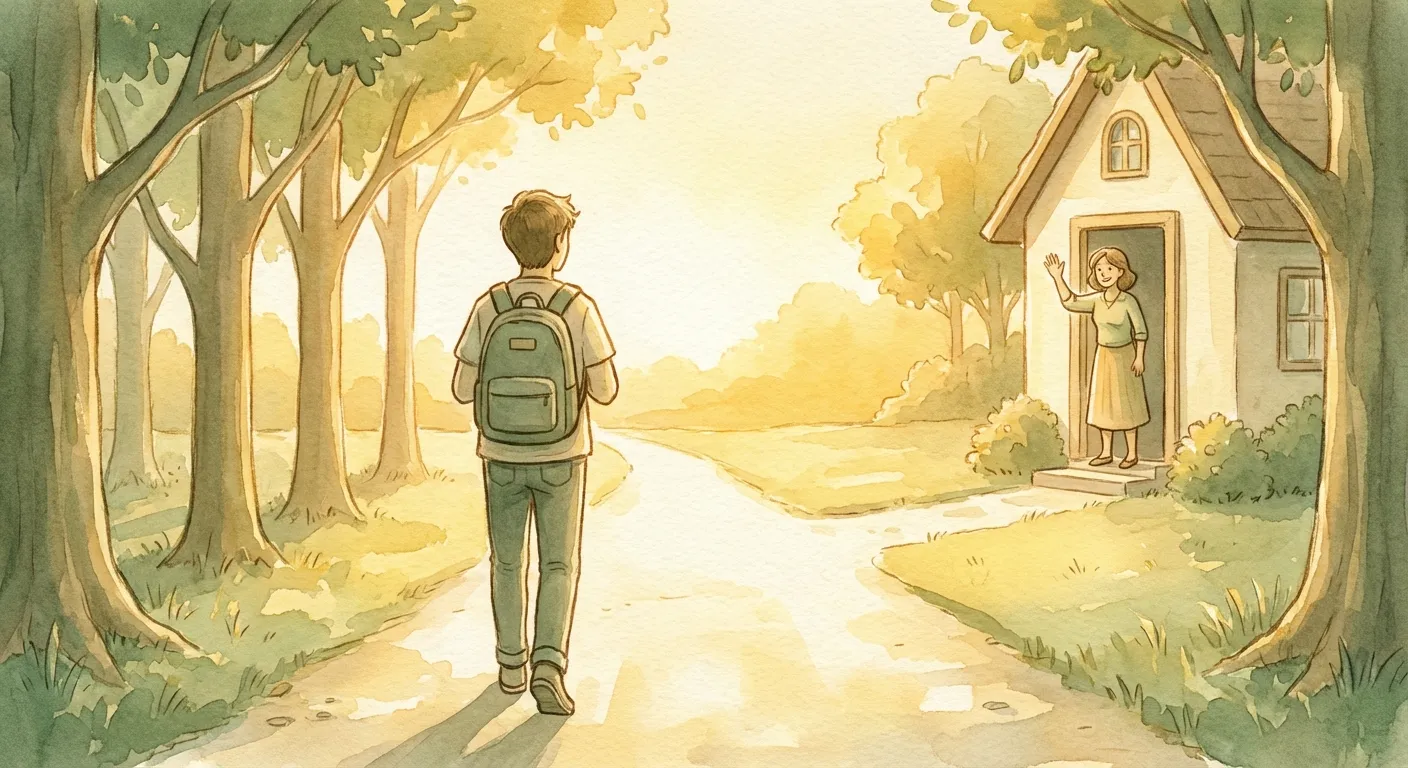
Release mode scales all the way up -- same principle, bigger world
The closeness myth: When an older child or teenager seeks physical comfort -- a hug, sitting close, wanting to be near you -- that's not regression. Wanting closeness under pressure is a healthy, lifelong human response. It looks the same at 4, 14, and 40. Dismissing it damages something real.
Building Your Launchpad -- Four Habits
Pause before you fix
When they're struggling, wait a beat. Most of the time they just need to know you're watching. Jumping in too fast teaches them that problems are someone else's job.
Make reunions warm
After school, after a weekend away, after a fight -- how you greet them when they come back sets the tone. Warm re-entry, every time.
Catch yourself hovering
If you're managing their play, correcting their approach, or narrating every move -- pull back. Standby mode, not director mode. They need your presence, not your production notes.
Repair when you miss
You'll have off days. Distracted, short-tempered, checked out. When you notice, come back: "I wasn't really listening before. Tell me again." The repair matters more than the miss.
Don't forget your own launchpad. You can't be steady for your child if no one is steady for you. A partner, a parent, a friend, a group -- someone who gives you what you're giving your child. Taking care of your own support network isn't optional. It's structural.
The Bottom Line
A launchpad doesn't chase the rocket. It holds steady, fuels up, and lets go. Be reliably there -- warm, tuned in, and ready -- and your child will dare to go further than you ever imagined.