
The Zero-Correction Experiment
The most effective behavior fix requires you to say absolutely nothing.
- Kids stop the rough language, the messiness, the quitting — not because they were told to, but because the household standard shifted beneath them.
- The move: run a total correction blackout while every adult quietly raises their own standard. Hold it for months.
Your kid has a bad habit. You've tried talking, reminding, nagging. Here's the radical move that actually works: stop correcting them entirely.
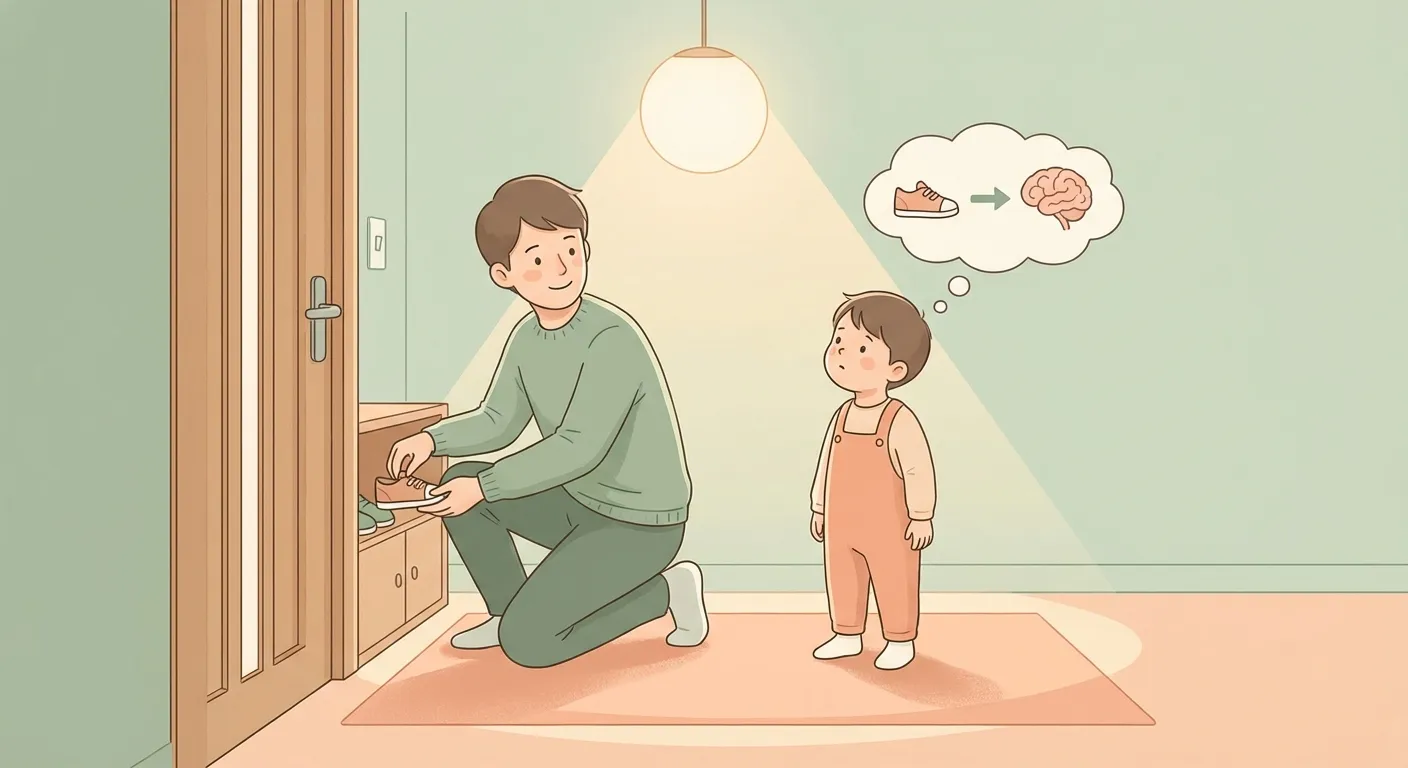
Imagine your kid keeps leaving their stuff everywhere. Shoes in the hallway, backpack on the couch, jacket on the floor. You've asked nicely. You've asked firmly. You've done the exasperated "How many times do I have to tell you?" thing. Nothing sticks.
Now imagine you just... stop. No reminders. No sighs. No pointed looks. Instead, every adult in your house starts putting their own things away immediately, visibly, cheerfully. No announcements. No "See what I'm doing?" Just quietly raising the bar.
Within weeks, your kid starts putting their shoes away. Nobody said a word.
That's the Silent Upgrade. And it works because of something most parents overlook entirely.
Why Correction Backfires
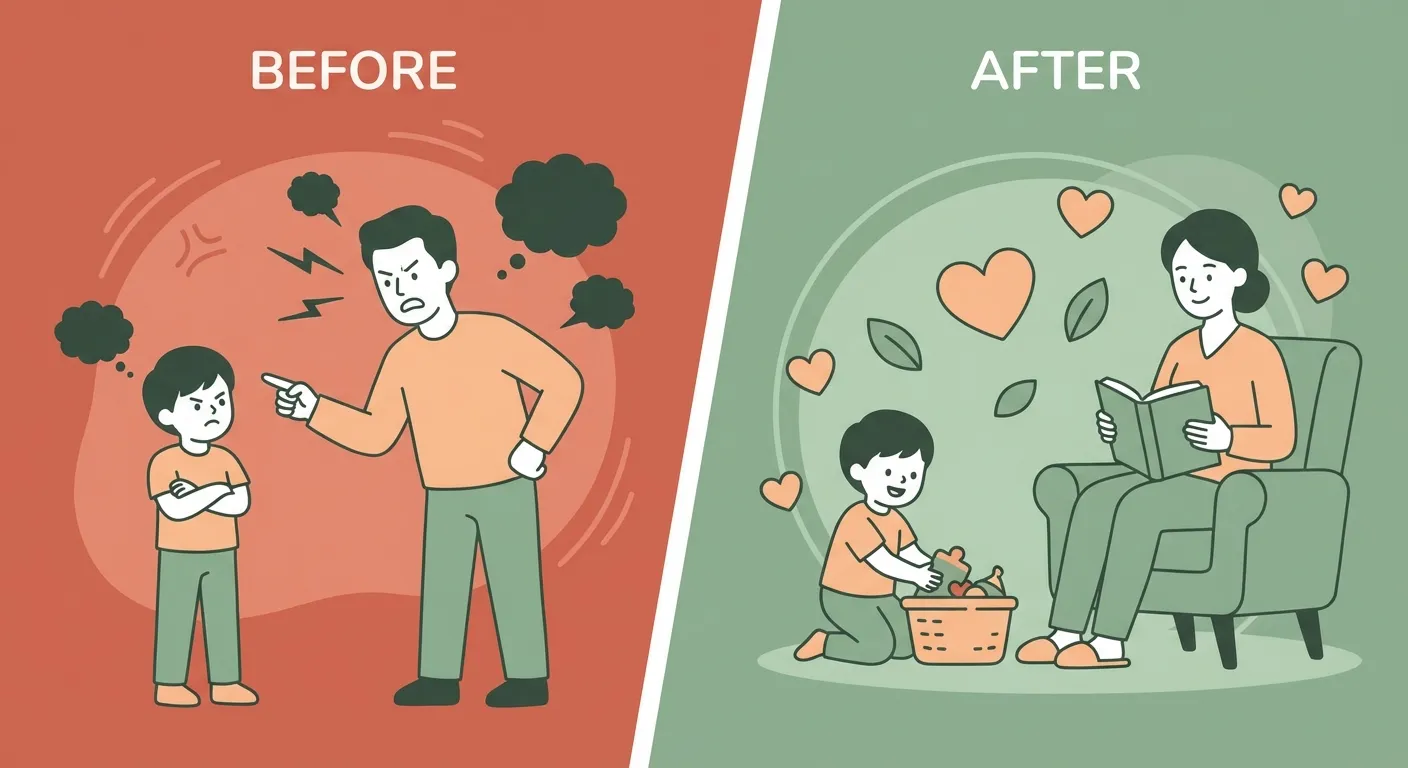
Every time you correct a behavior, you think you're teaching. But here's what's actually happening inside your kid's head:
Their brain doesn't hear "put your shoes away." It hears "you're the problem in this house." And the more you correct, the more they identify with being the messy one, the rude one, the careless one. You're literally building the identity you're trying to dismantle.
Children don't become what you tell them to be. They become what surrounds them.
The Experiment: Total Correction Blackout
This isn't "try to nag less." It's zero. Complete blackout on correcting the target behavior. Here's what that looks like in practice:
Name the behavior, not the child
Not "she's rude" but "she interrupts and uses a dismissive tone." This keeps you focused on what can change instead of who she is.
Get the whole household on board -- privately
Have the conversation when the kid isn't around. Everyone agrees: we raise our own conduct. No nagging, no commentary on the behavior we want gone.
Cut all correction to zero
This is the hardest step. Every correction -- even "gentle reminders" -- signals monitoring. The entire point is to remove the pressure so your child absorbs new norms unconsciously.
Model the standard silently, daily
Whatever you want them to do, do it yourself. Visibly, consistently, without ever pointing it out. The second you say "See how I'm doing it?" it becomes a lesson, and defenses go up.
Hold the line for months
Old habits that took months (or years) to form need sustained counter-exposure. You may see nothing for weeks. That's absorption happening beneath the surface.
The Family Kickoff Script
Getting everyone aligned is everything. Here's exactly what to say when the kid's not around:
Notice what's missing: blame. Nobody's pointing at the kid. The frame is "we're all leveling up." That's what makes it work -- the child isn't a project, they're a member of a household that's getting better together.
The Swap Sheet
For every habit you want to fix, there's a specific modeling move. Here's the cheat sheet:
| The Habit | Old Move (Stop This) | Silent Upgrade (Do This) |
|---|---|---|
| Rough language | "Don't talk like that!" | Every adult speaks with deliberate warmth -- to each other, to strangers, in earshot of the kid |
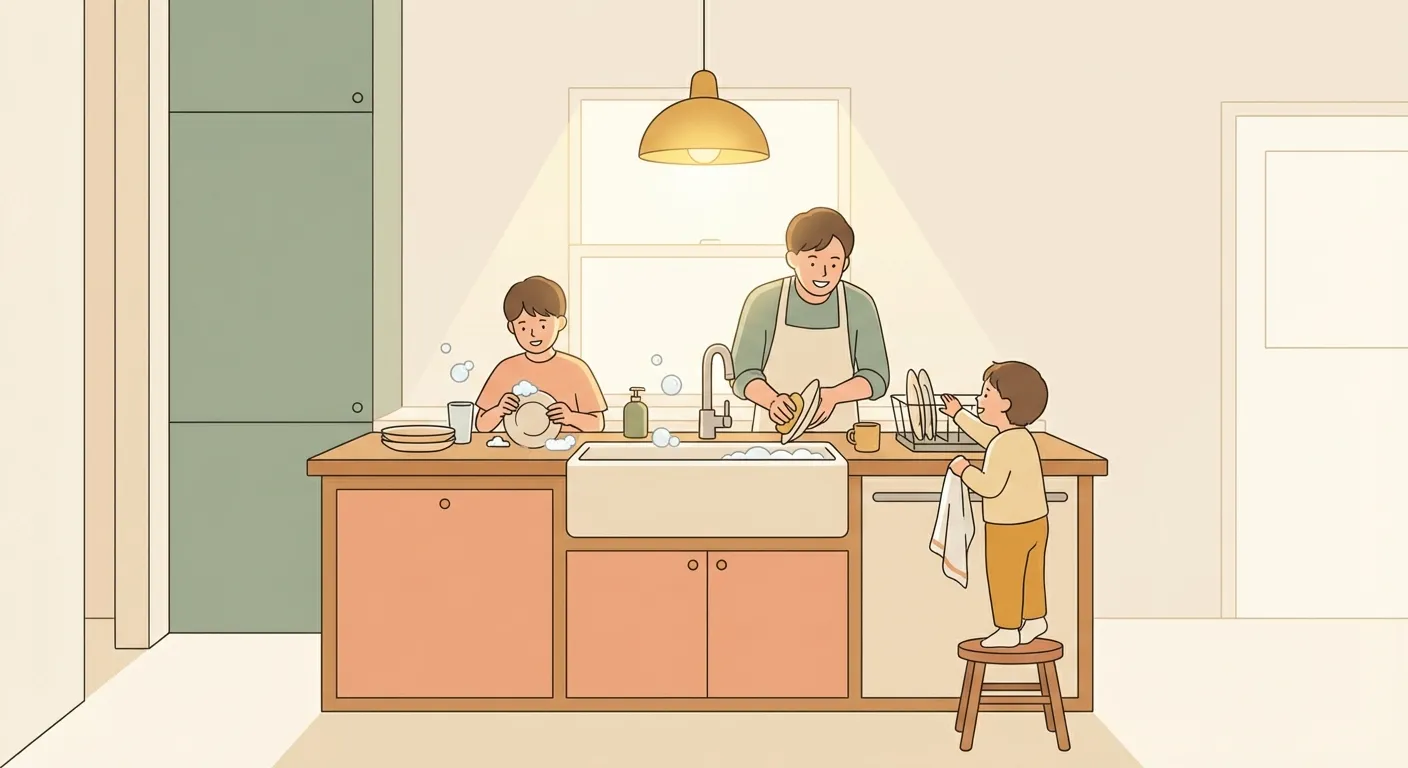
| Leaving messes | "Pick that up right now" | Adults visibly and cheerfully put things away the instant they're done |
| Quitting easily | "You need to try harder" | Let them see you persist at something difficult. Narrate your own patience: "This is tricky but I'm going to keep at it" |
| Unkindness to siblings | "Be nice to your sister!" | Small, visible acts of kindness daily -- to family, neighbors, everyone. Never announce it |
| Procrastinating | "Stop putting it off!" | When you think of something, do it immediately and visibly. Let acting promptly be the household rhythm |
What the Timeline Actually Looks Like
This isn't overnight magic. But it's real, durable change. Here's the honest timeline:
The Four Traps (And How to Dodge Them)
The Slip
You correct them out of habit. It happens.
Just notice, stop, and return to the method. Consistency matters more than perfection.
The Announcement
You see progress and blurt "You've been so much better!"
That turns unconscious growth into a performance. Notice privately. Let it be their new normal.
The Tired Break
You're exhausted and the nagging comes back.
Know your triggers -- tired, hungry, stressed. When you feel it, leave the room. Text your partner. Protect the method.
The Impatience
It's been three weeks and nothing's changed.
Habits absorbed over years need months of counter-exposure. The absorption is happening. Trust it.
The Bonus Nobody Expects
Here's the thing about the Silent Upgrade that catches every family off guard: it doesn't just fix the kid's behavior. It transforms everyone. The parents who commit to better manners, more patience, and tidier habits? They start feeling better too. The household gets calmer. Relationships get warmer. The "experiment" becomes the way you actually want to live.
Your kid doesn't rise to the level of your lectures. They rise to the level of your household. Build a home where the standard is high, hold it silently, and watch every person in it -- including you -- become someone a little better.
You can't lecture a child into becoming better. But you can build a household where being better is simply what everyone does -- and watch your child rise to meet it.