
Hand Your Kid a Camera and Watch What Happens
A five-minute photo scavenger hunt that quietly rewires how your family sees the world — plus three more tools that make gratitude stick without anyone groaning about it.
Most gratitude exercises fail because they ask kids to talk.
- Kids who do the photo hunt version spot beauty unprompted, handle bad days without spiraling, and build a visual record of what they actually value — week after week.
- The move: hand them a camera instead of a journal — 5 minutes, 3 photos, zero forced reflection.
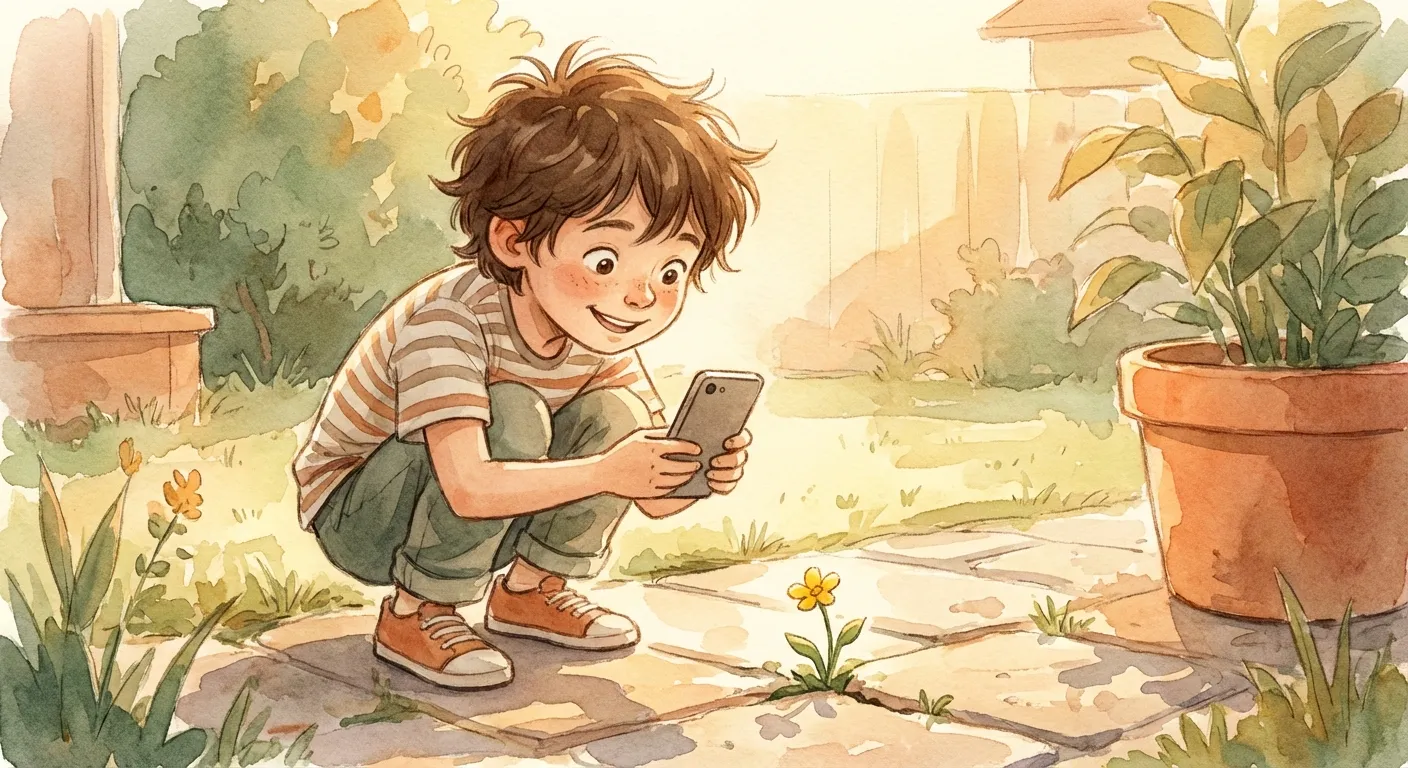
Here is a Sunday afternoon experiment that takes five minutes and zero prep.
Set a timer. Everyone grabs a phone (or a crayon, for the little ones). The mission: capture three things that make you feel lucky. Go.
Your seven-year-old photographs the dog asleep on the couch. Your ten-year-old snaps the trampoline. You take a picture of the coffee mug your kid painted at camp three years ago. Timer goes off. You show each other what you found.
That is it. No journaling. No lecture. No forced conversation about feelings. Just looking through a lens with a question in mind: what is good here?
And something shifts.
Why a Camera Changes Everything
Most gratitude exercises ask kids to talk. Some kids hate that. The photo hunt bypasses verbal expression entirely. The act of scanning a room through a camera lens activates different brain pathways than conversation — it trains the eye to spot moments of beauty and comfort that would otherwise slip past unnoticed.
Kids who clam up when asked "what are you grateful for?" will spend ten enthusiastic minutes hunting for the perfect shot of their favorite stuffed animal. The medium is the message.
The Gratitude Photo Hunt
5 minutes, Sundays- Set a timer for 5 minutes. Everyone scatters.
- Take 3 photos of things that make you feel lucky, happy, or comfortable. Objects, people, pets, views — anything counts.
- Come back and share. Just show, no need to explain. If someone wants to say why, great. If not, the picture speaks.
- Optional level-up: Keep a shared album. Print favorites and make a collage. Watch it grow over months.
The collage on the fridge becomes a visual record of what your family values. Not what you tell them to value — what they actually chose, unprompted, week after week.
But Gratitude Is Bigger Than One Tool
The photo hunt works because it is one piece of a larger system. Four tools, each tuned to a different moment of the day, each building the same underlying skill: noticing what is already good.
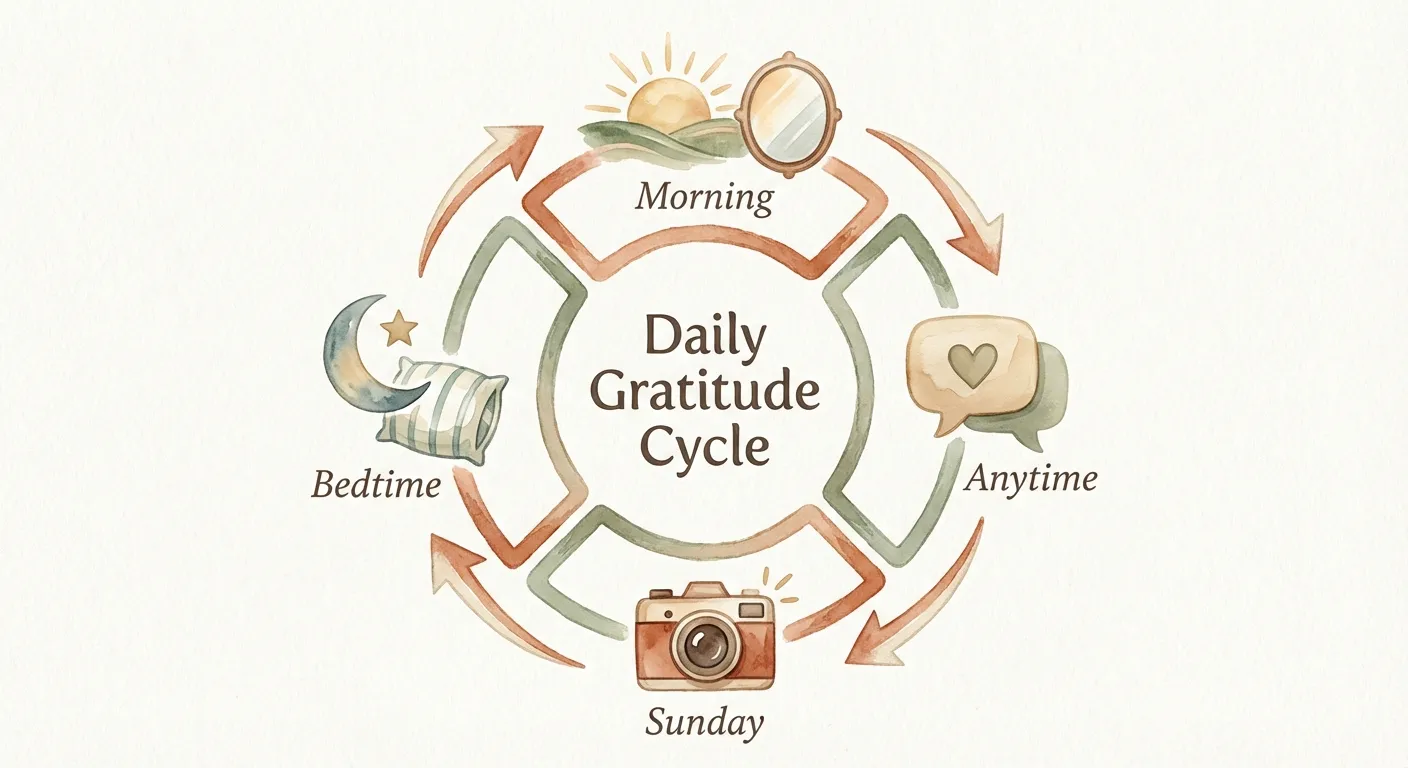
Mirror Check-In
While brushing teeth, look in the mirror and say one thing you are looking forward to or glad about. Name it and move on. Thirty seconds, done.
Catch-and-Name
When your kid does something good, tell them exactly what you saw, the effect it had, and the quality it shows. Specific beats generic every time.
Photo Hunt
Everyone photographs three things that make them feel lucky. Show each other. No talking required.
Three Good Things
Right before sleep, everyone names three things that went well today. Tiny counts. You go first. Let them pass if they want.
You do not need all four. You need whichever ones fit your family. If bedtime is chaos, skip it — the morning mirror is thirty seconds. If your kid hates talking, lead with the photo hunt. The right practice is the one you will actually do.
The Catch-and-Name Formula
This one deserves a closer look because most parents get it half right. They say "good job" and move on. That is a compliment, not appreciation. Here is the difference:
| Generic Praise | Catch-and-Name |
|---|---|
| "Good job!" | "You put your dishes in the sink without being asked — that saved me time and showed me you were thinking about how to help." |
| "You're so sweet." | "You shared your markers with your brother when he asked. That was generous, and he finished his drawing because of you." |
| "Nice work!" | "You kept practicing that piano part even after you messed up three times. That kind of persistence is how people get good at things." |
The formula is three parts:
Generic praise can actually undermine confidence because it does not teach kids what they did to earn it. Specific appreciation builds agency — they know exactly which behavior to repeat.
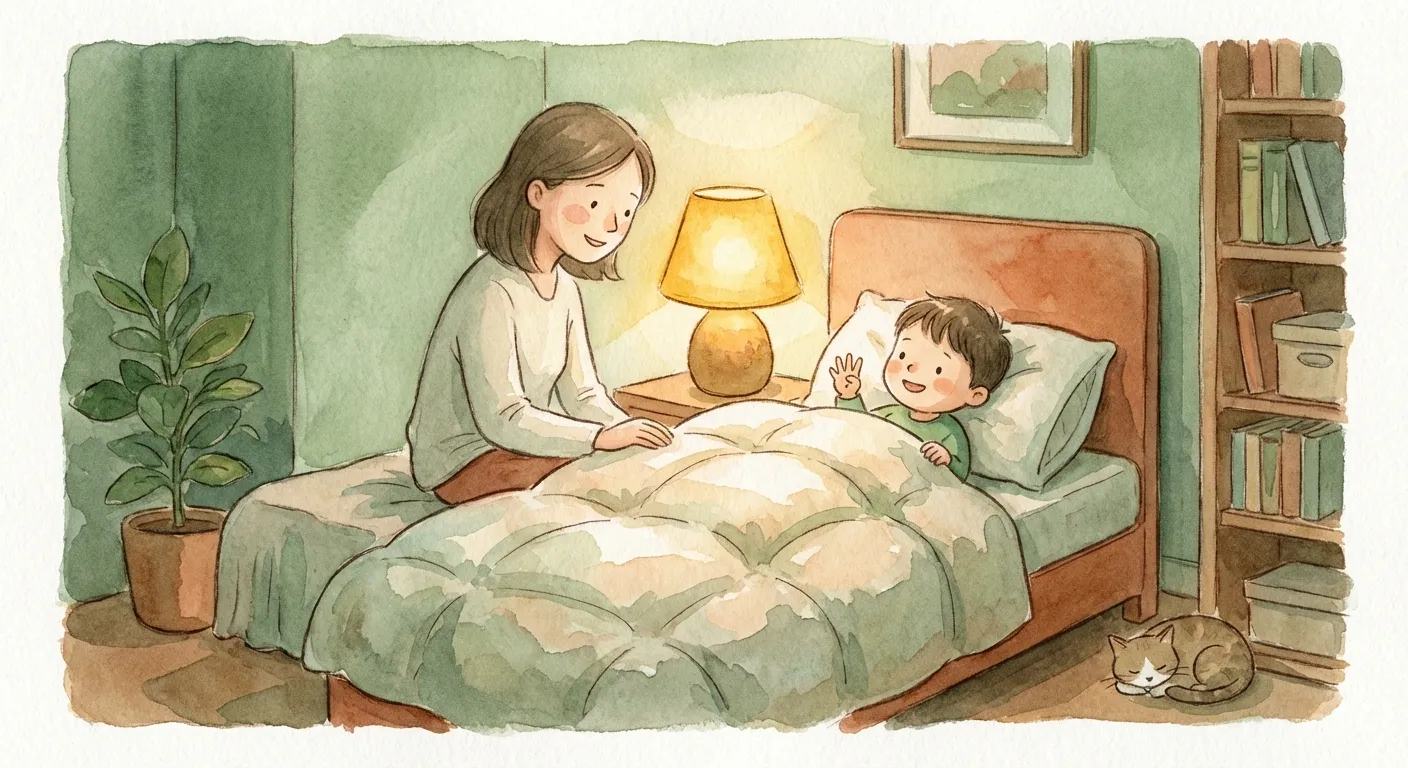
Three Good Things at Bedtime
The last thoughts before sleep get rehearsed in memory overnight. That is not a metaphor — it is how memory consolidation works. Ending the day scanning for what went right builds a mental habit that compounds over weeks.
"Three things that went well for me today: coffee was hot, hit all green lights driving home, and you helped me find my keys."
"What made that good?" or "How did that feel?"
If they say the same thing every night for a month — the dog, the dog, the dog — that is perfectly fine. The benefit comes from the practice of looking, not from the variety of answers. The neural pathways being built are about noticing good things, not impressing you with creativity.
When It Falls Apart
It will. You will forget for six days straight. Your kid will roll their eyes. You will feel like it is not working. Here is what to do:
You are frustrated with your kid
Before you say anything, mentally name one thing about them you appreciate. It shifts your physiology enough to speak from connection instead of anger. Try it once — the change is immediate.
Nonstop complaining
Do not force gratitude as correction ("You should be grateful!"). Instead, model it out loud: "I hear you're frustrated. I'm going to take a breath and think of one thing going okay right now." They may join. They may not. Seed planted either way.
Truly terrible day
Lower the bar. Three good things becomes one okay thing. Morning mirror becomes "I made it through yesterday." Adapting is a feature, not a failure.
You skipped it for a week
Just say: "We haven't done our three good things in a while — want to try again tonight?" No guilt. Just restart. The practice is forgiving by design.
The two-week test
Pick one tool. Just one. Do it for fourteen days. Then notice: are you sleeping better? Feeling less resentful? Catching more small moments of connection? The data point that matters is not whether your kid performs gratitude on command — it is how you feel.
Appreciation is a skill, not a personality trait. Some families happen into it naturally. The rest of us can build it — five minutes at a time, one photo hunt, one bedtime conversation, one specific compliment at a time.
Start Sunday. Grab the camera. See what your kid finds worth capturing.