
The Proving Ground: Why a Ceremony Alone Won't Make Your Son a Man
Boys carry an unspoken question about manhood that modern life never answers.
- Sons who go through this arrive at adulthood with proof they can handle hard things — they don't quit under pressure, they serve without being asked, and they carry a specific memory of the night men told them: you're ready.
- The move: build a three-phase proving ground — letting go, real challenges, and a declaration from men he respects.
Bar mitzvahs, quinceañeros, graduation parties — they mark the date. But what if your son could arrive at his ceremony having already proved what he's made of?
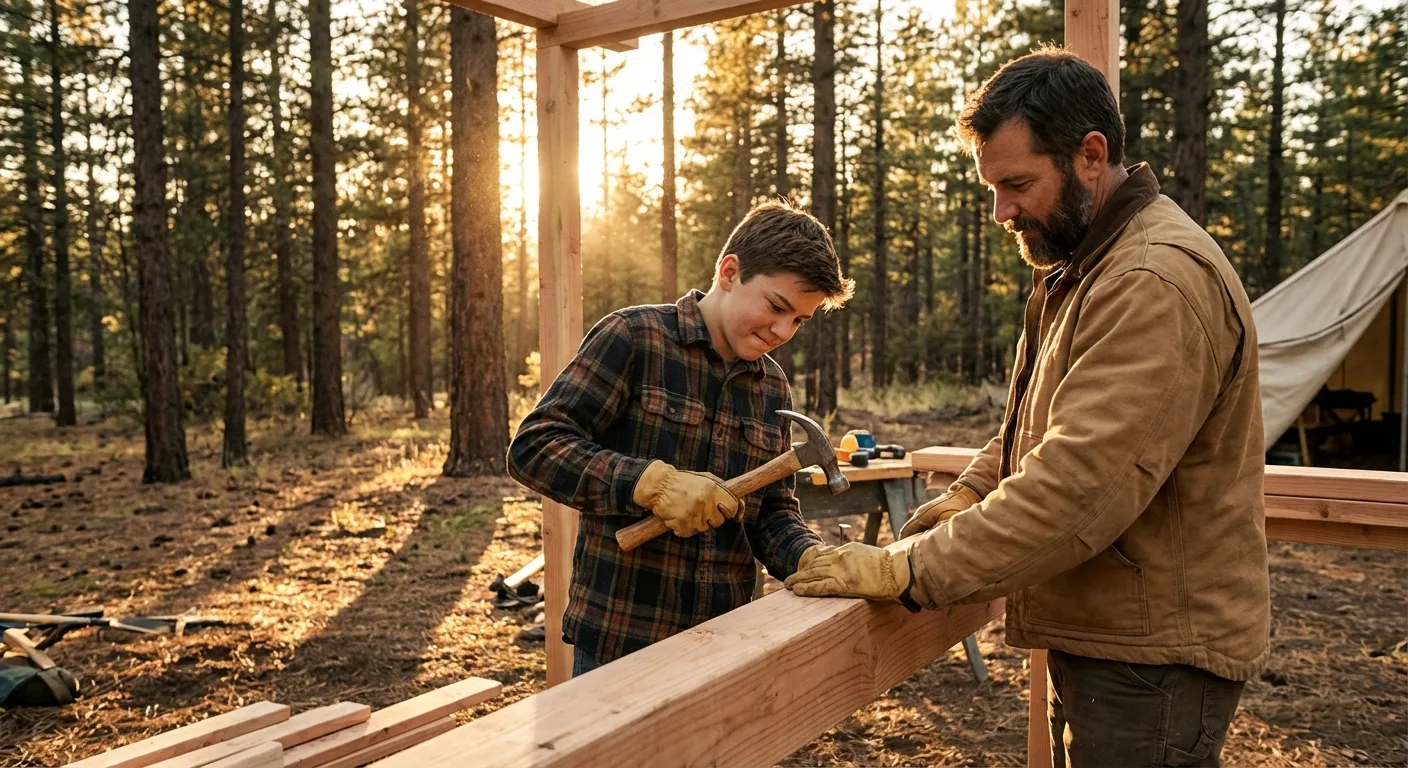
Here's something most parents of boys sense but can't quite name: your son is carrying a question around with him. He can't articulate it. He probably doesn't even know it's there. But it shapes everything — how hard he pushes, how easily he quits, how he handles being told no.
The question is: Do I have what it takes?
And here's the problem. Modern life gives him almost zero opportunities to find out. School measures compliance. Sports measure talent. Social media measures popularity. None of those answer the real question.
But you can answer it. Deliberately, over a few weeks, with a structure that's been used across hundreds of cultures for thousands of years — adapted for your family, your son, your life.
If the men in his life don't answer that question, he'll spend decades trying to prove it on his own.
Three Phases. One Transformation.
The framework isn't complicated. Three phases, each with a different purpose. The whole thing can take anywhere from a few weeks to a few months — long enough to feel earned, short enough to maintain momentum.
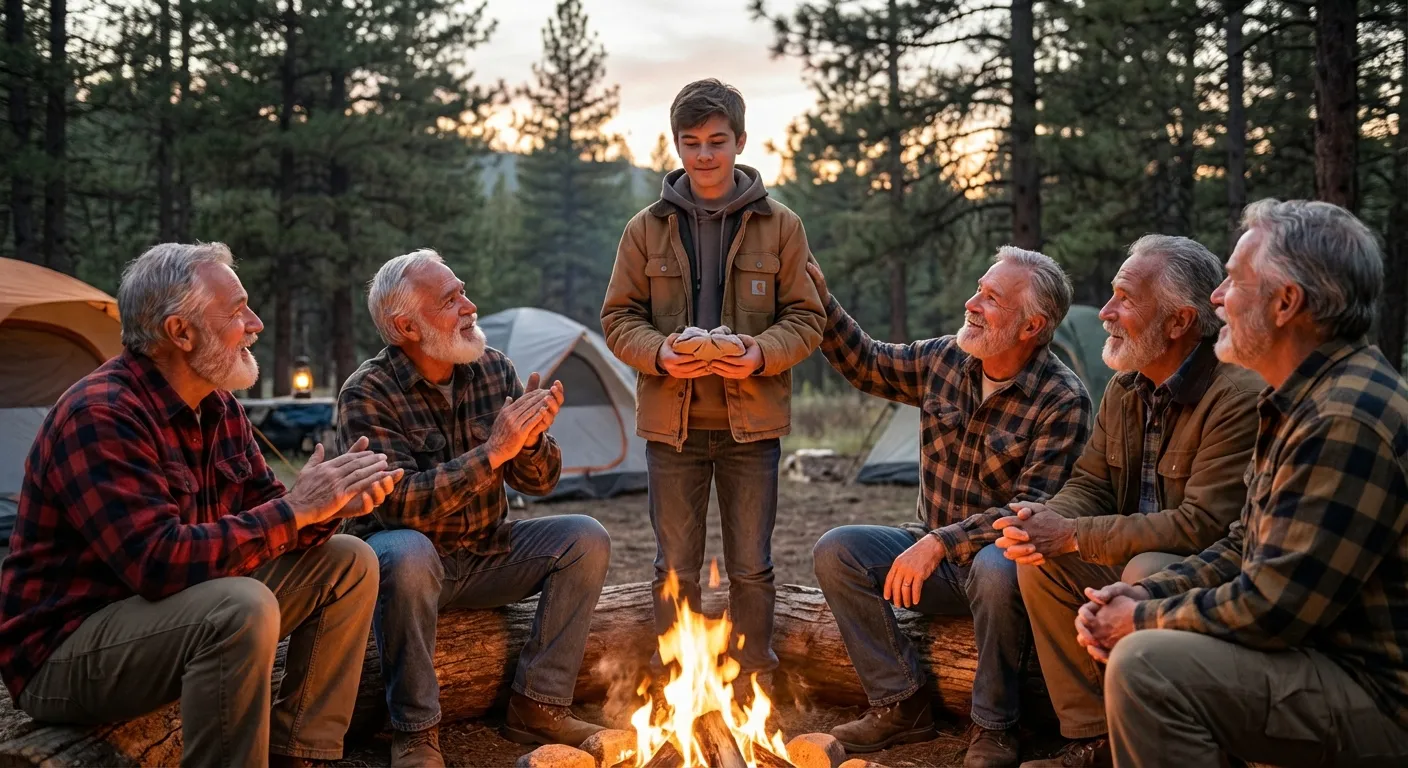
Letting Go
A concrete, felt break between who he was and who he's becoming. Not metaphorical — something he can see and feel.
- Sit down together. Talk about what "leaving childhood behind" actually means for him
- Let him identify what still anchors him to a younger self — possessions, habits, routines
- Choose a symbolic act: donating old things, resetting his room, changing how he presents himself
- He leads. Ownership is everything here
The Proving Ground
This is the heart of it. Real challenges, over weeks, that prove to him — and to the men watching — that he has strength, resilience, and character.
Design challenges across three dimensions:
| Type | What It Builds | Example Challenges |
|---|---|---|
| With Others | Working alongside men he respects | Build something together. Join a service project. An outdoor expedition led by dad or a mentor |
| Alone | Self-reliance under pressure | Solo camping night. A difficult conversation he's been avoiding. A project completed without help |
| For Others | Strength directed outward | Care for an elderly neighbor. Tutor a younger kid. Volunteer at a shelter — with nothing to gain |
The calibration matters: each challenge should leave him thinking "I didn't know I could do that" — not "I never want to do that again."
Words That Stick During the Proving Ground
Welcome Home
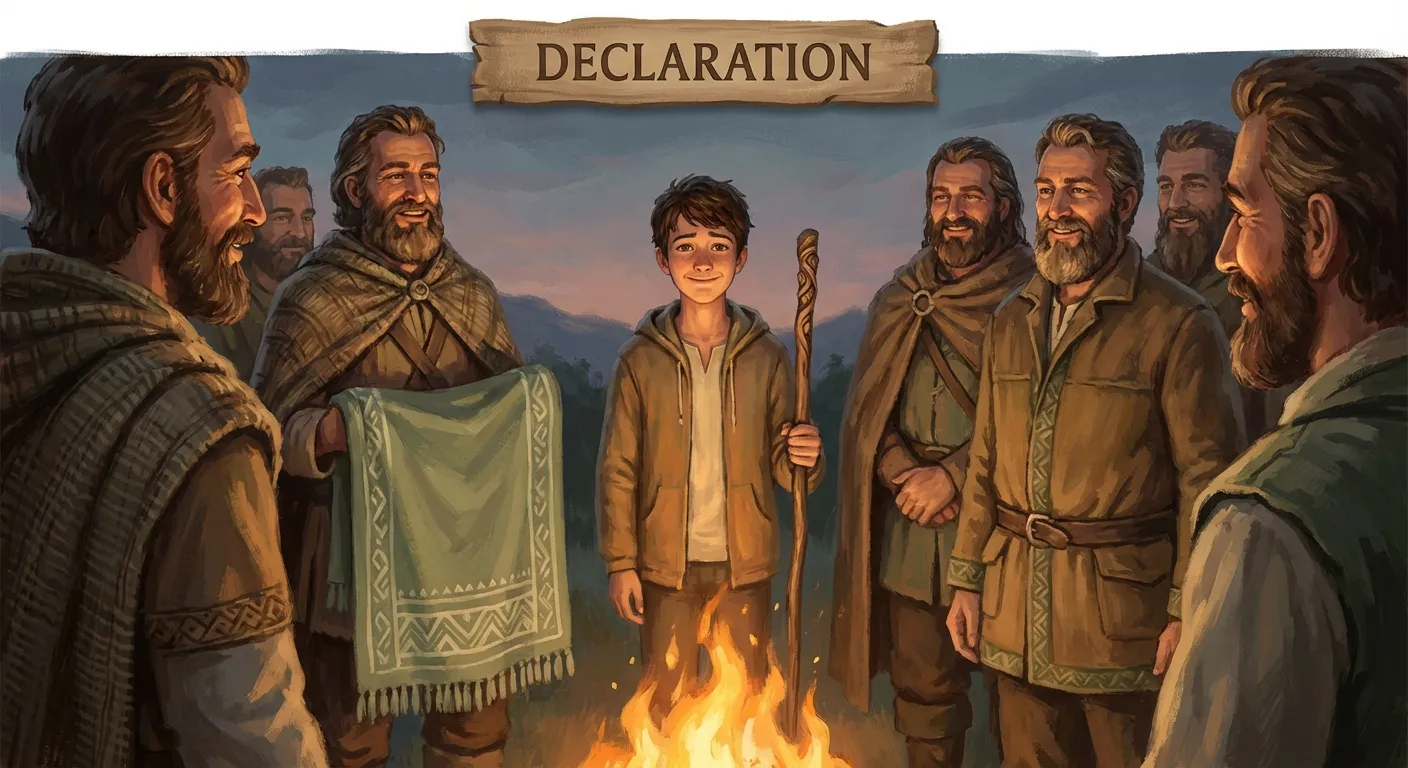
The boy returns, and the men he respects look him in the eye and say: "You are one of us now."
- Gather the men who matter — father, grandfathers, uncles, mentors, coaches, trusted friends
- Each man speaks directly to him: what they saw, what they admire, what they expect
- A clear declaration: "From today, we see you as a man. We will treat you as a man."
- Celebrate — food, stories, laughter. Victory, not lecture
- A tangible marker: a meaningful gift, a letter, a new responsibility that starts immediately
Why the Proving Ground Changes Everything
Here's what separates this from a birthday party with a speech. By the time he reaches the ceremony, he's already done the work. The declaration isn't aspirational — it's a recognition of evidence.
- Nice words on a nice day
- He knows he hasn't earned it
- Doubt returns within weeks
- No reference point when things get hard
- Adults announced it; he still wonders
- Weeks of real evidence behind it
- He knows exactly what he survived
- He can point to specific moments of proof
- Under pressure, he remembers what he handled
- He earned it. The men confirmed it
A Note for Mothers
Some mothers feel a pull of grief when this starts — and that's honest. You've been his protector, his safe place, the person he runs to. Letting the men take the lead can feel like loss.
But think about what you're building. Your son will face moral pressure, professional failure, relationships that test his integrity, moments that demand real courage. The question isn't whether hard things will come. It's whether he'll face them with the inner certainty that he was prepared, tested, and declared ready.
Your role isn't to step aside. It's to step into a different position: the one who sees his readiness first, recruits the men, helps design the challenges, and celebrates what he becomes.
After the Threshold
The ceremony only works if daily life backs it up. Here's what that looks like:
Your son is already asking the question. He just needs someone to build the proving ground where he can find the answer.