
The Illusion of Control (And Why Your Kid Needs It)
Your child needs a leader, not a buddy.
- Kids who feel led — not controlled — develop self-discipline that sticks, handle frustration without melting down, and navigate social pressure on their own.
- The move: hold the line with warmth — explain the rule, offer a choice, skip the guilt trip.
Three scripts that make your child feel like the boss -- while you stay in the driver's seat.
Here's a scene. Your seven-year-old doesn't want to do homework. You say "do your homework." They say "no." You say it louder. They dig in harder. Twenty minutes later, nobody's done any homework and everyone's miserable.
Now picture this instead. Same kid, same homework. You say: "You need to get this done before screen time. Want to knock it out right after school, or save it for after dinner? Your call."
They pick one. They do the homework. No battle. No raised voices. Same outcome you wanted, but they walked there on their own two feet.
That's the move. And it works because of something researchers have known since the 1960s: kids don't just need rules. They need to feel like they have a say in how those rules play out.
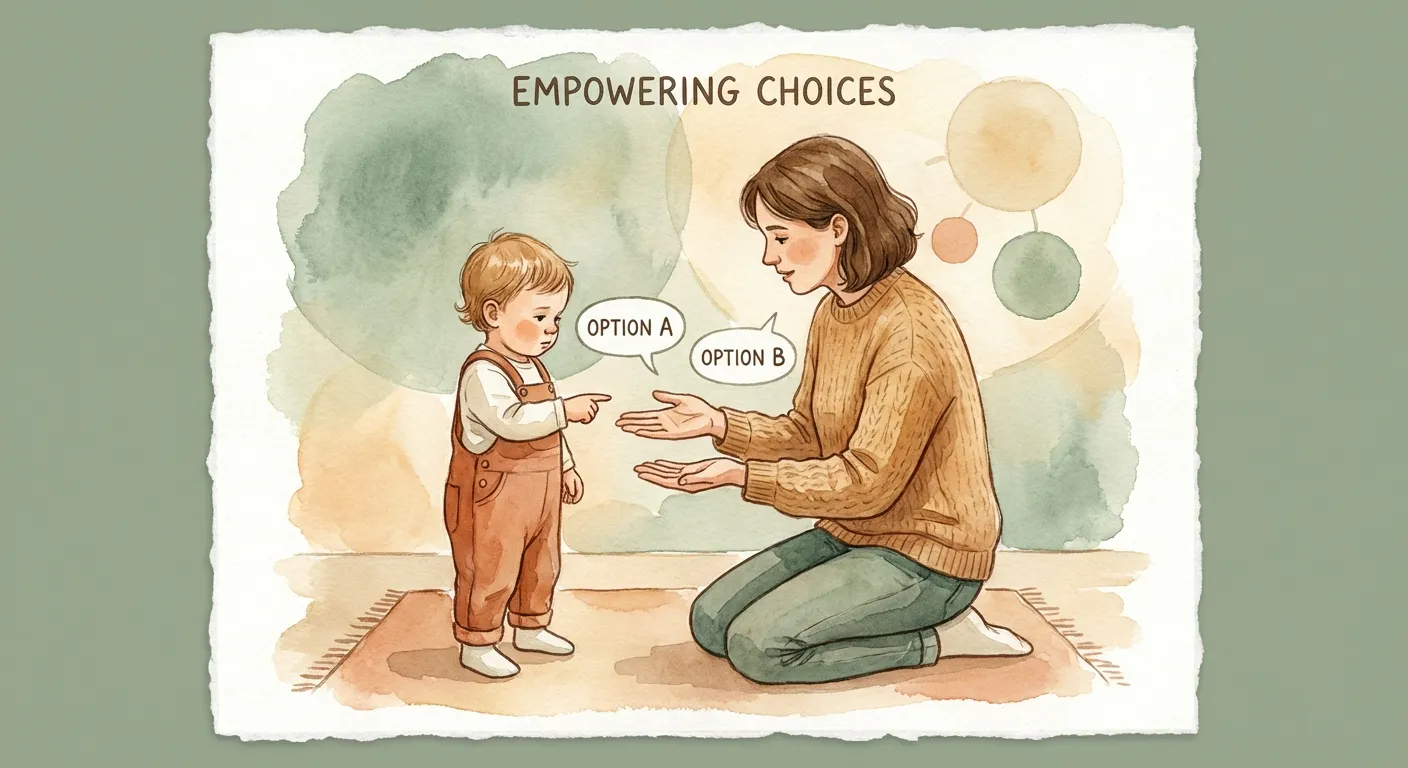
The move: two options, both approved by you, chosen by them.
You set the boundaries. They choose the path within them.
Both of you win.
Why This Works (The Research)
Developmental psychologists call this authoritative parenting -- high warmth paired with high structure. It consistently outperforms every other combination across cultures, age groups, and decades of studies. Kids raised this way show stronger self-regulation, better social skills, and higher academic achievement.
But the magic isn't just in having rules. It's in how the rules land. When a child picks their own path to the finish line, they're not obeying. They're deciding. And a kid who decides to do the right thing is a kid who'll keep doing it when you're not watching.
The Four Styles, One Table
All parenting falls somewhere on two axes: how much warmth and how much structure. Here's the map:
| Style | Warmth | Structure | What the Kid Gets |
|---|---|---|---|
| Authoritarian | Low | High | Rules without reasons. Compliance through fear. |
| Permissive | High | Low | Love without limits. No scaffolding for self-discipline. |
| Uninvolved | Low | Low | Neither warmth nor guidance. Worst outcomes across every measure. |
| Authoritative | High | High | Clear rules + explanation + warmth. Self-discipline that sticks. |
Notice the sweet spot row. That's where "illusion of control" lives. You bring the structure. You bring the warmth. And you hand them just enough steering wheel to make the ride feel like theirs.
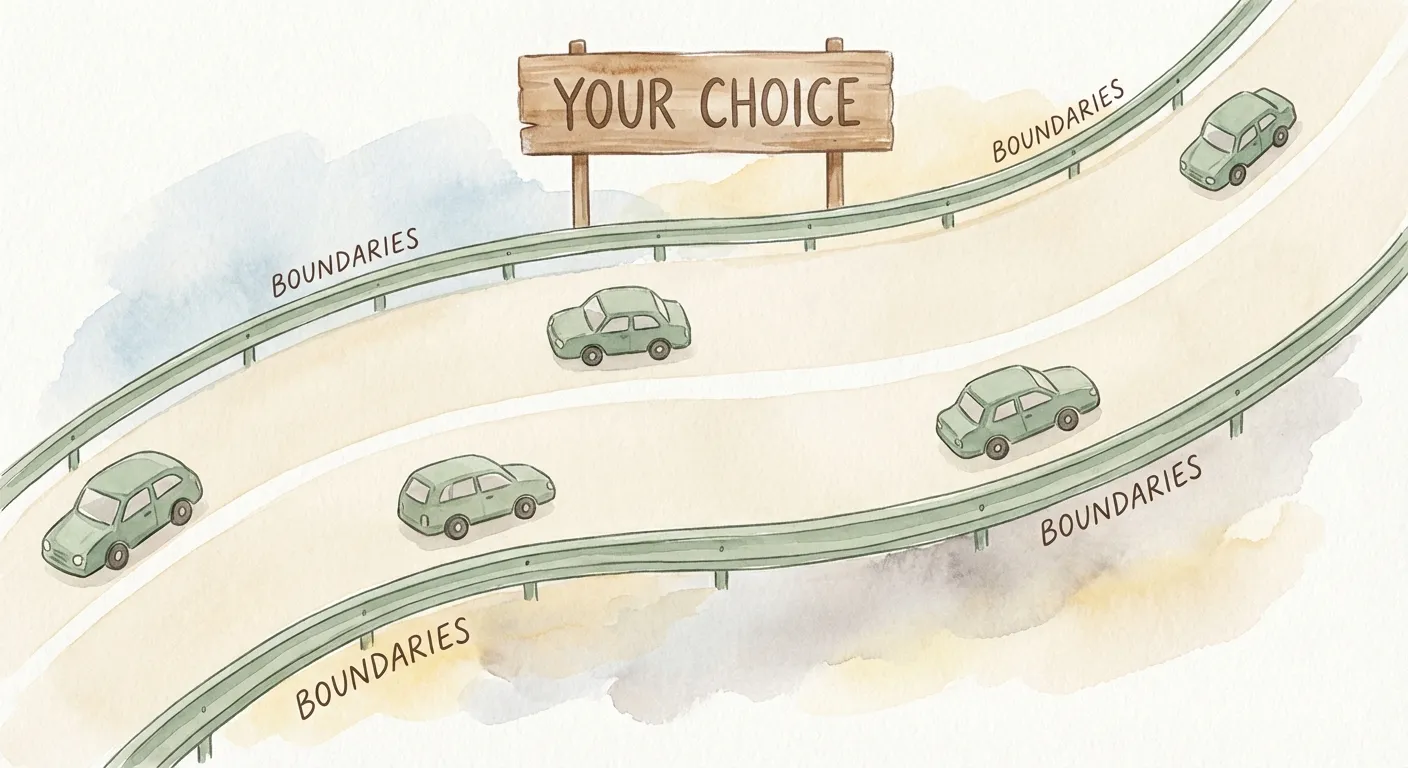
Boundaries are the guardrails. Inside them, your child drives.
Three Scripts You Can Use Tonight
What Builds vs. Breaks This
Drift Check: Are You Still Leading?
It happens gradually. One exception becomes two, and suddenly you're negotiating with a six-year-old like they're a co-equal. Check yourself:
- You rehearse how to break news to your child because you dread the reaction
- Weekend plans revolve around avoiding a meltdown
- You catch yourself negotiating rules that should be non-negotiable
- Your child announces plans instead of asking permission
- You give in "just this once" more than once a week
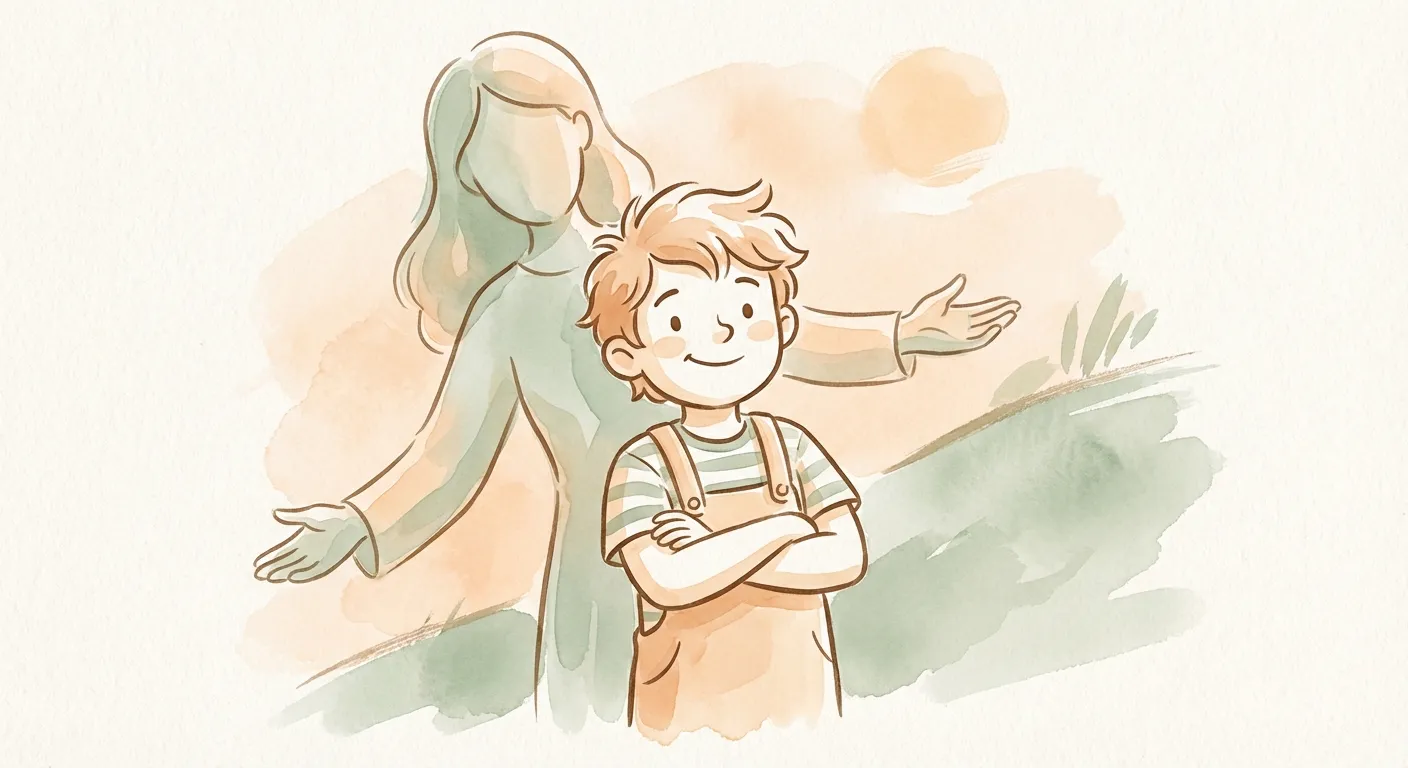
The goal: a kid who feels powerful because you designed it that way.
The Long Game
Spot the drift early
Every few weeks ask yourself: "Am I making decisions based on what's right, or based on avoiding a scene?" If it's the second one, recalibrate.
Bank the connection in calm moments
Authority is easier to hold when your child trusts you. The bedtime chat, the car ride conversation, the silly game on a Tuesday -- these deposits make the withdrawals of discipline feel fair.
Own your mistakes out loud
"I got that wrong. I yelled when I should have taken a breath. I'm sorry." This doesn't weaken authority. It models the exact integrity you're trying to teach.
Know your triggers
Tired, hungry, stressed about work -- those are the moments you'll cave or overreact. Notice the pattern. Have a plan for those windows.
The beautiful thing about this approach is that it scales. A three-year-old choosing between the red cup and the blue cup is practicing the same muscle as a teenager choosing between studying Friday night or Saturday morning. You're not just solving today's homework standoff. You're building a kid who knows how to make decisions inside reasonable limits -- which is pretty much the definition of a functional adult.