
Your Toddler Just Hit You. Now What?
Your calm is the single most powerful parenting tool you own.
- Kids raised by steady parents handle rejection, bounce back from conflict, and regulate their own bodies when no adult is watching.
- The move: pause one beat, use your body to stop the action, then let whatever emotions follow run their course.
It happens fast. One second they're on your lap, the next a tiny fist connects with your face. Or teeth sink into your arm. Or a shoe flies at the dog.
And every instinct you have in that moment? Wrong.
Not wrong because you're a bad parent. Wrong because your brain defaults to reactions that accidentally make the behavior stick around longer. Here's what to do instead.
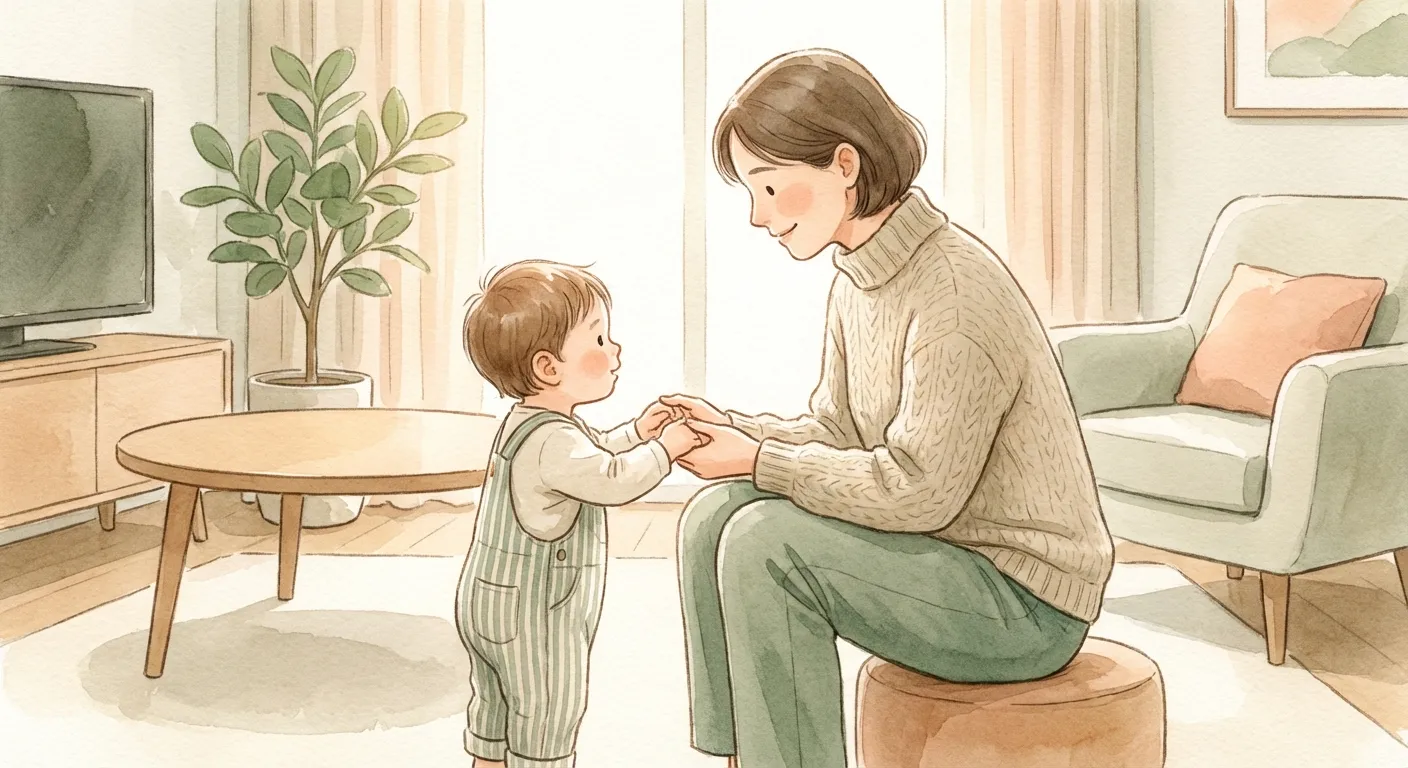
Every Instinct, Corrected
Both overreacting and under-reacting come from the same place: not knowing what else to do. This table replaces guessing with something concrete.
| Your Gut Reaction | What Actually Works |
|---|---|
| Big stern voice: "We do NOT hit!" | Stay neutral. Your intensity makes the behavior more interesting and more likely to repeat. |
| Hit or bite back "so they know how it feels" | Physically stop the action with your hands, calmly. Teaching through pain teaches pain. |
| Plead: "That hurts mommy! Please stop!" | State the boundary, then act on it. Pleading puts your child in charge of the situation. |
| Ignore it and hope it passes | Step in every time. Not with drama -- just with your body and a few words. Silence reads as permission. |
Notice the pattern: the fix is always calm, physical, and short. Not a lecture. Not a performance. Just quiet action.
Five Situations, Five Scripts
You don't need to improvise. Grab the one that fits and use it word for word.
The HOLD Method
Four steps. Works every time. Gets easier each time you use it.
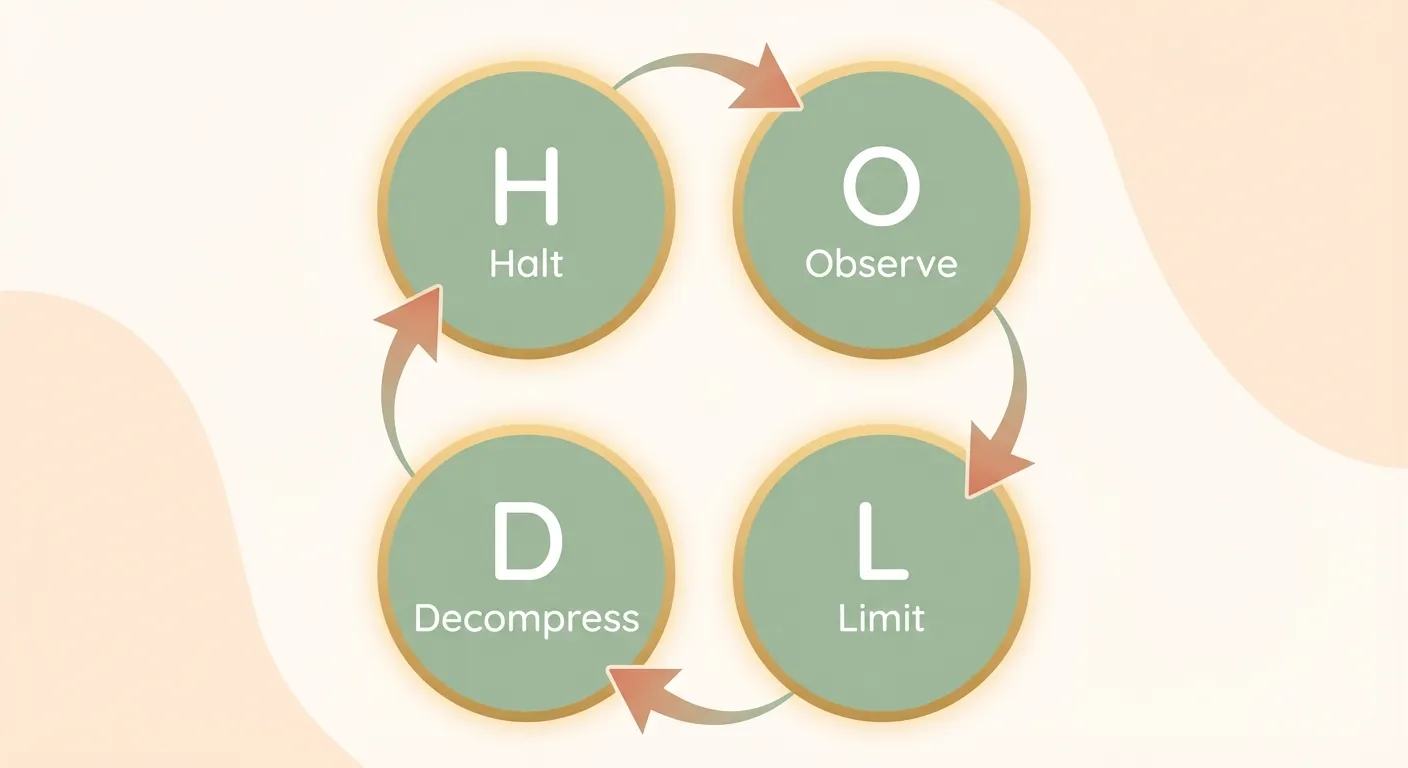
Halt
One beat of nothing. Pause before you react. This stops your own fight-or-flight from hijacking the moment.
Observe
What's behind this? Tired? Overstimulated? Hungry? You don't need to solve it now -- just notice.
Limit
Use your body first, words second. Block, hold, or create distance. Then one short sentence: what you're doing and why.
Decompress
Once the boundary is set, let them feel whatever comes next. Crying, screaming, going limp -- all fine. Stay close. Don't rush it.
Why Your Calm Is the Whole Game
Children are expert emotion-readers. They pick up on what you actually feel, not what you say. A rattled adult makes a toddler feel unsafe, which creates more acting out.
Not performed calm. Not gritted-teeth calm. Genuine "this is no big deal and I've got this" calm. That's the single most powerful tool you have.
After the Storm Passes
Let the feelings run
Once you've stopped the behavior, they may cry, rage, or melt down. This is healthy. It means the limit landed.
Be steady ground
Don't talk them out of it, distract them, or lecture. Just be present and available.
Move on completely
No replaying, no guilt trips, no "remember what happened earlier." If you can genuinely let it go, they will too.
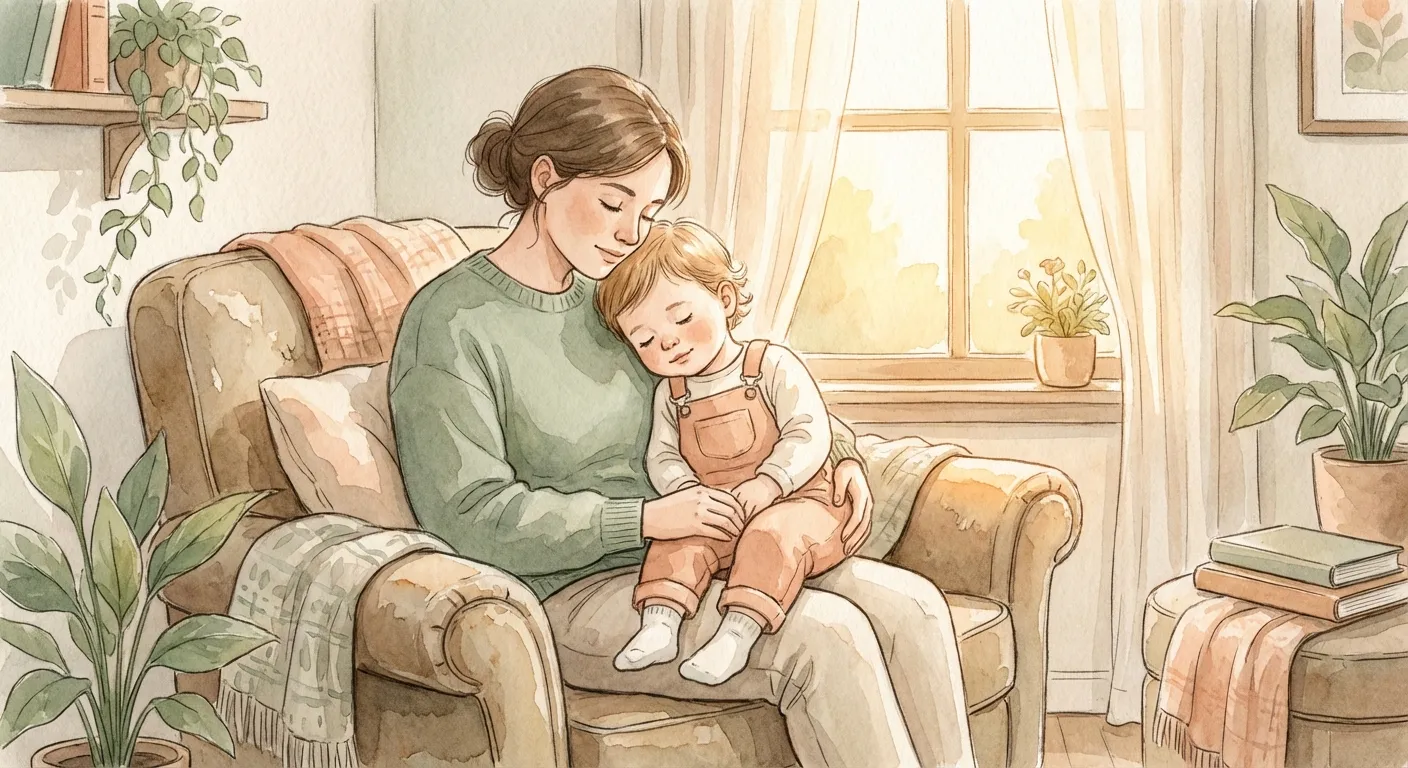
Making It Stick
Same response every time. If hitting sometimes gets a big reaction and sometimes doesn't, it stays interesting. Consistency is what teaches.
Watch for the buildup. Physical behavior rarely comes from nowhere. Tiredness, overstimulation, hunger, transitions -- those are the usual culprits.
Practice when it's calm. "Show me gentle hands" works best when introduced during peaceful moments, not mid-crisis.
Expect to repeat this dozens of times. That's not failure. That's how toddler brains learn: through repetition, not understanding.
Repair when you slip. If you lose your cool (you will), come back later: "I got too big with my voice. I'm sorry. Let's both try again next time."
They don't need you to be perfect.
They need you to be steady.
Your calm hands and quiet voice are doing more teaching than any words ever could.